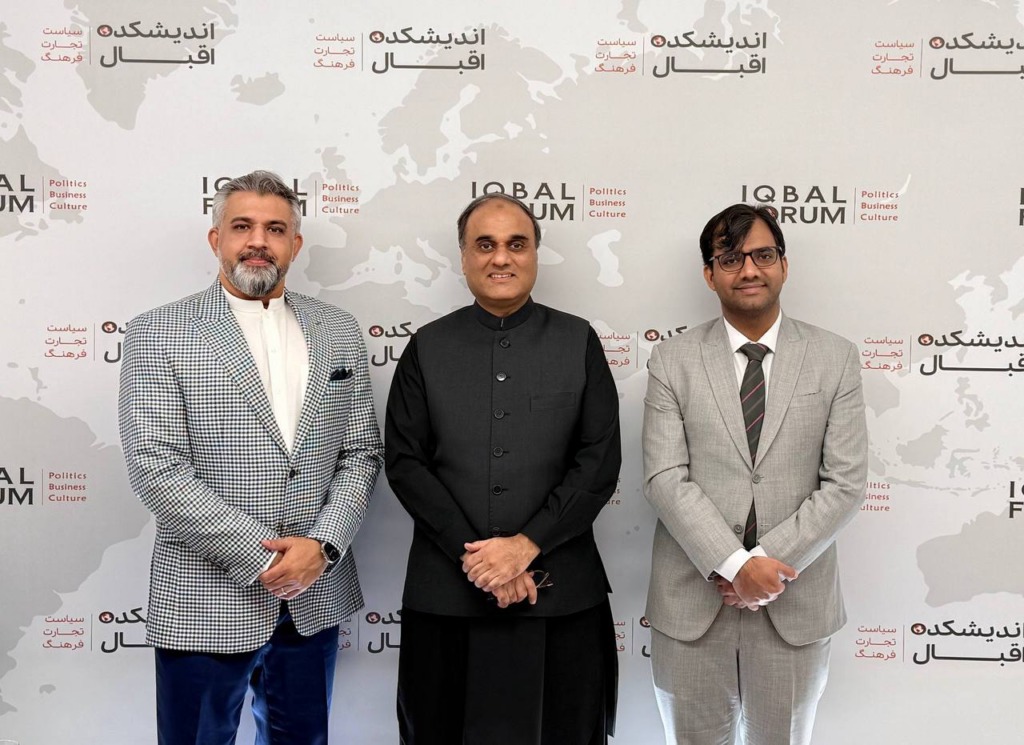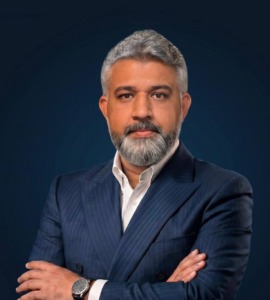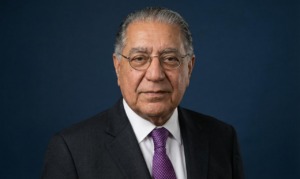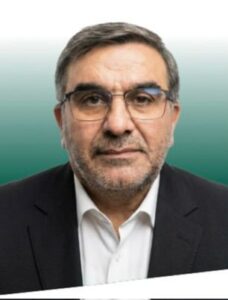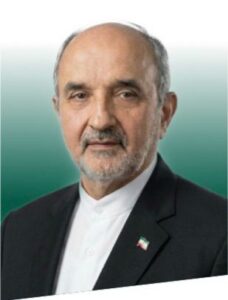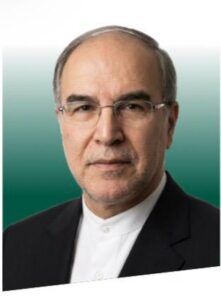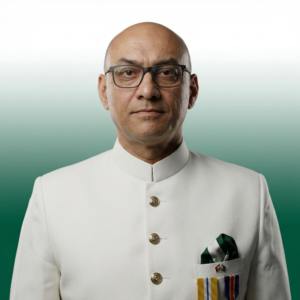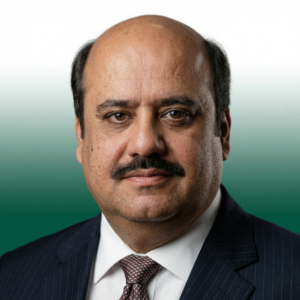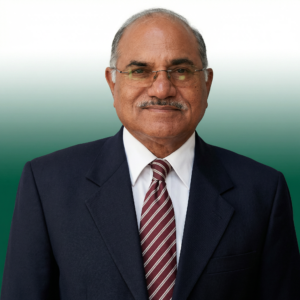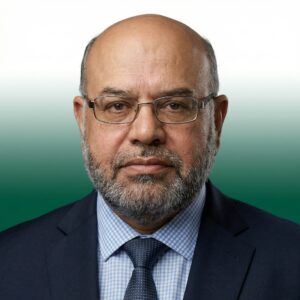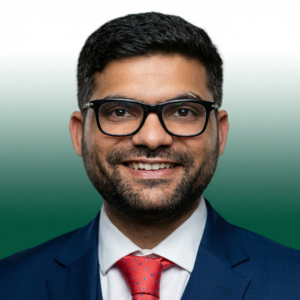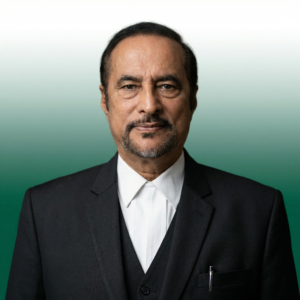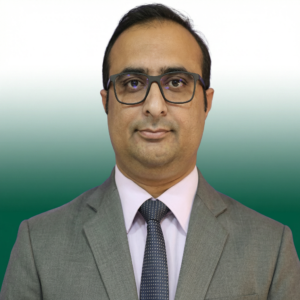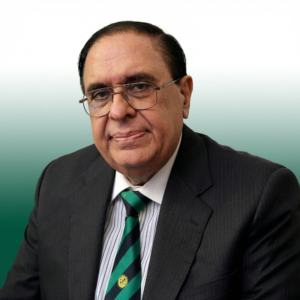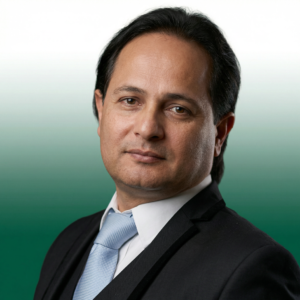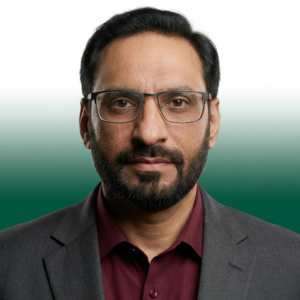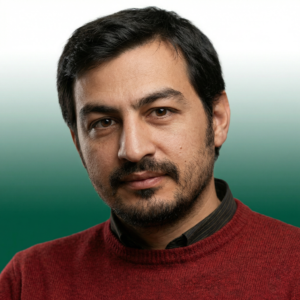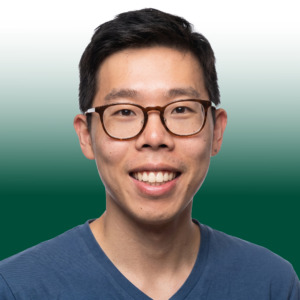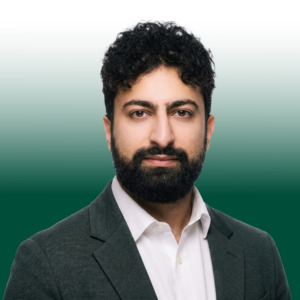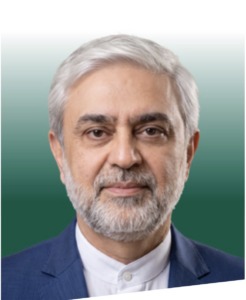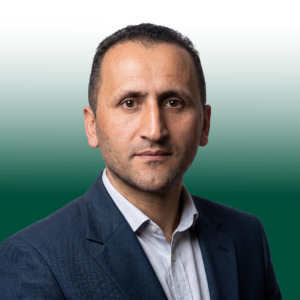



Muhammad Hussain Baqeri
Founder & Director
Our world is flooded with news yet starved of understanding. People are more connected than ever, yet further apart; media reaches everywhere, yet the truth is harder to find amid competing narratives; and nations that share a long history and culture often still lack a real understanding of one another.
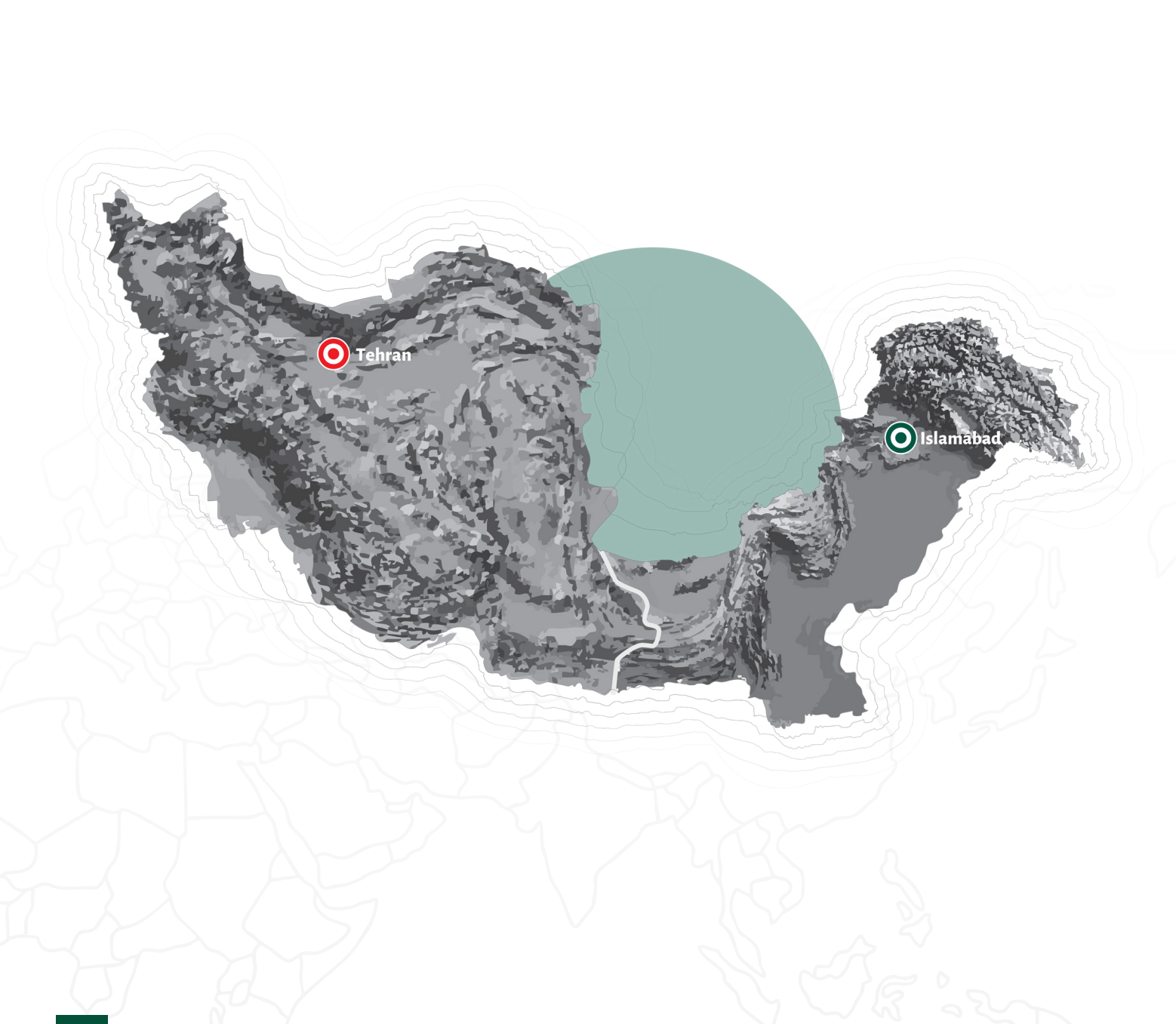
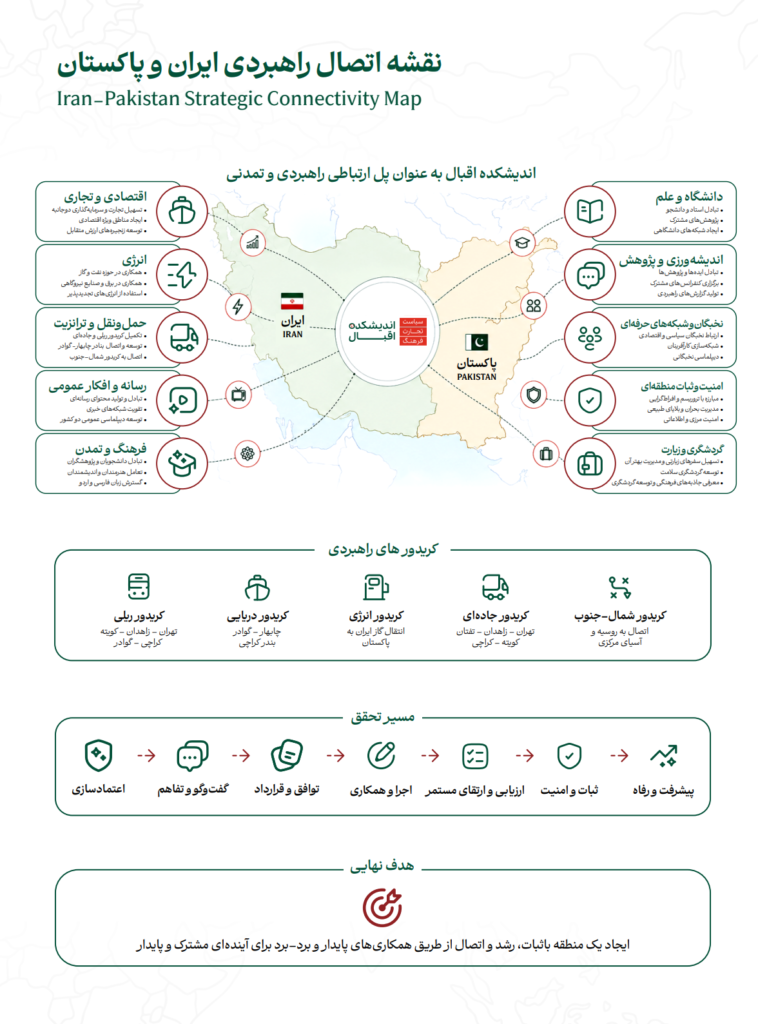
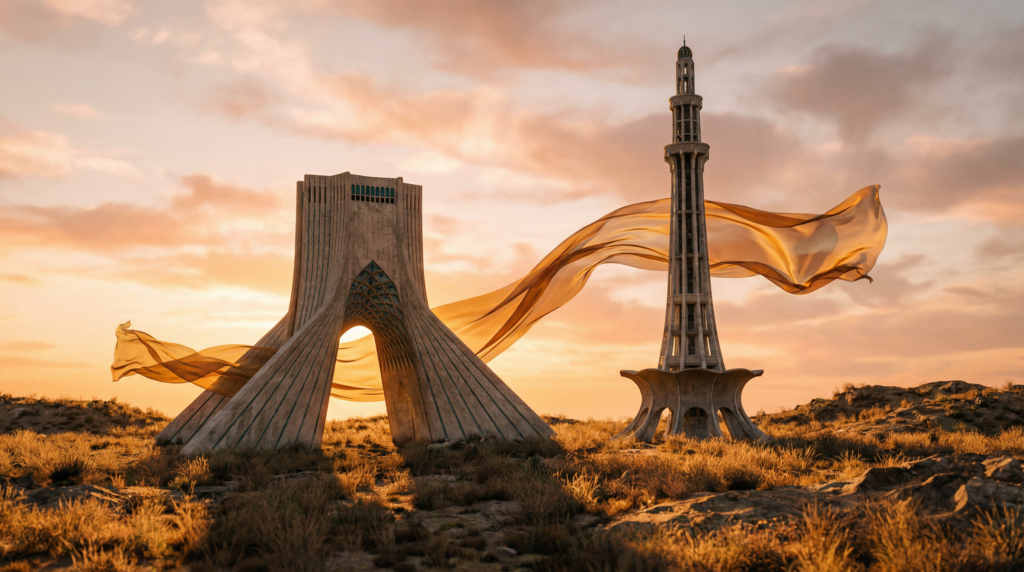
For years I have lived with a question: why, despite so much shared history, culture and civilization, do the nations of our region still know so little about one another? Why do Iran and Pakistan, which for centuries belonged to the same civilizational world, still understand each other so imperfectly today? And why has a region so rich in people, resources and ideas been unable to build lasting networks of trust and cooperation?
Iqbal Forum grew out of these questions.
For me, Iqbal is more than the name of a research institution. It is an effort to bring dialogue back to a region that has long lived with suspicion, partial narratives and mental distance, and to rebuild the bridges between media and truth, between data and understanding, between experts and the public, and between the region's civilizational past and its future.
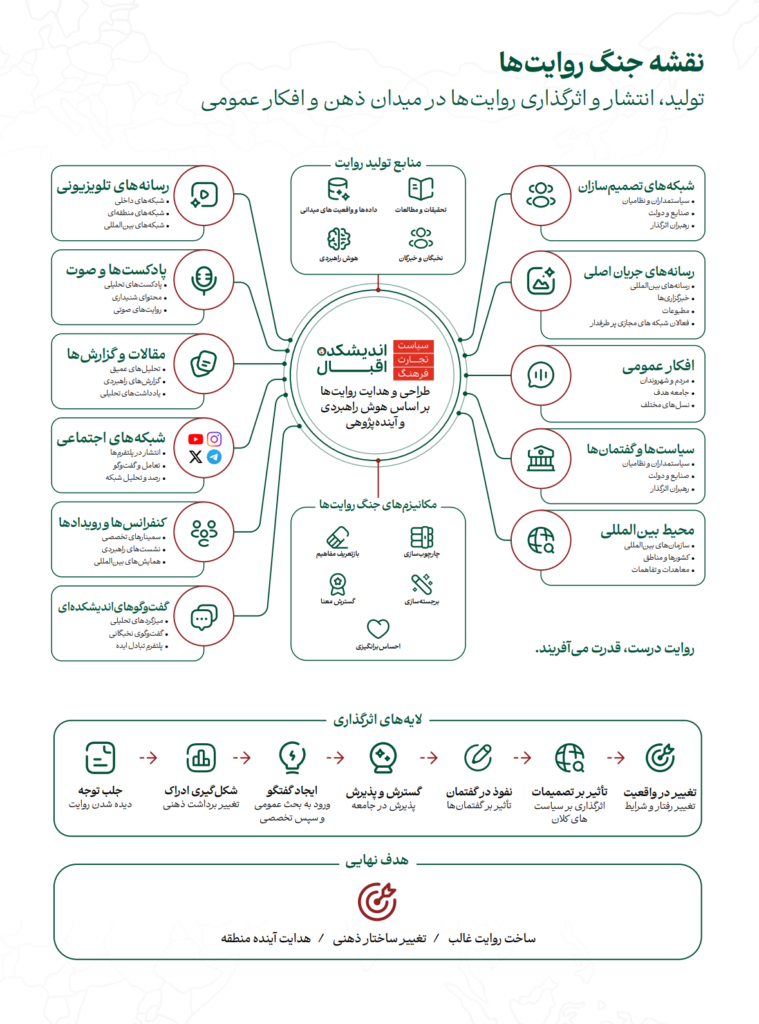
From the start, our aim was never simply to publish articles or host conferences. Articles alone no longer change the world. Real influence lies in connecting people and ideas, shaping narratives, building trust, producing knowledge and helping to shape what comes next.
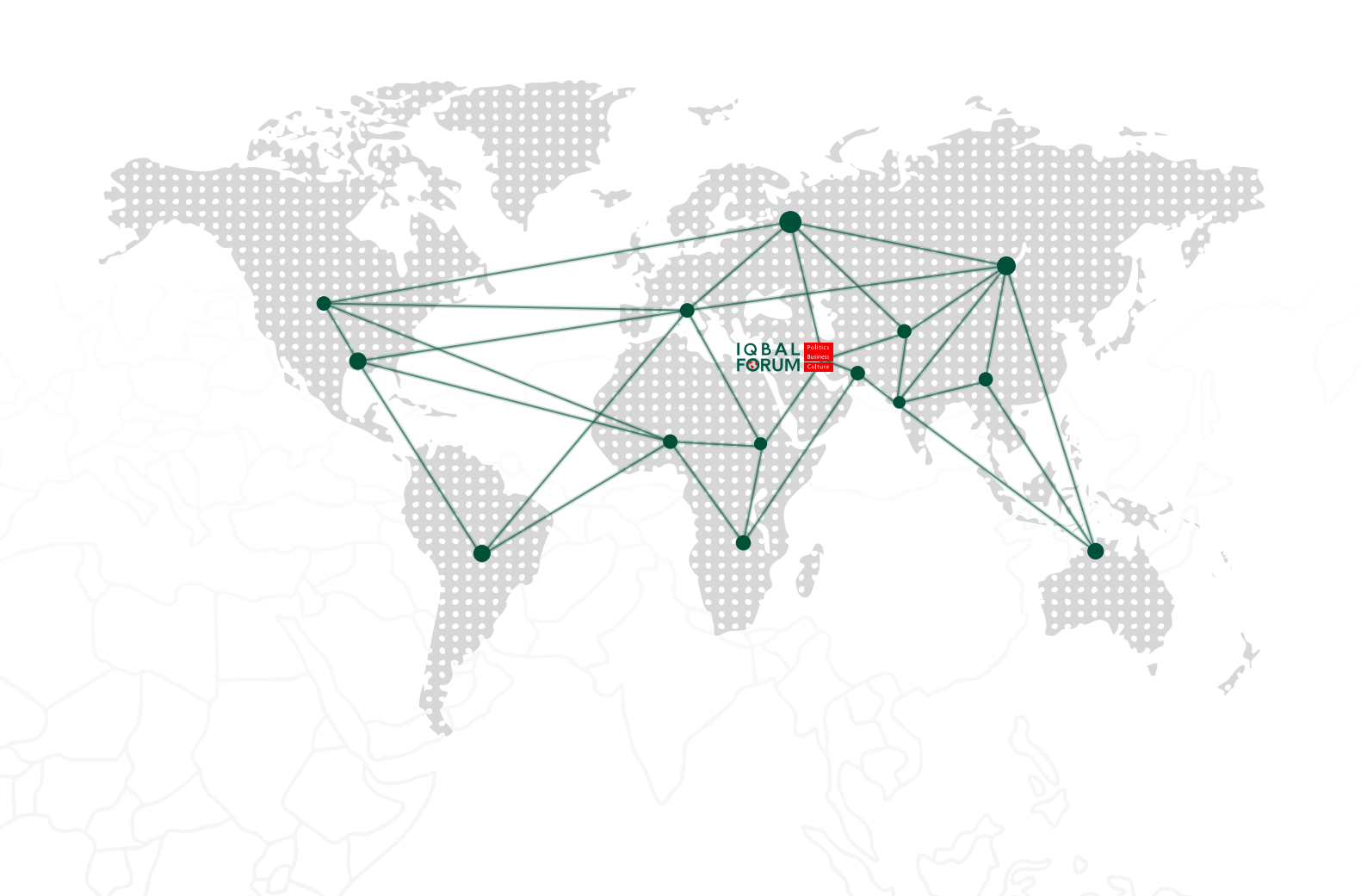
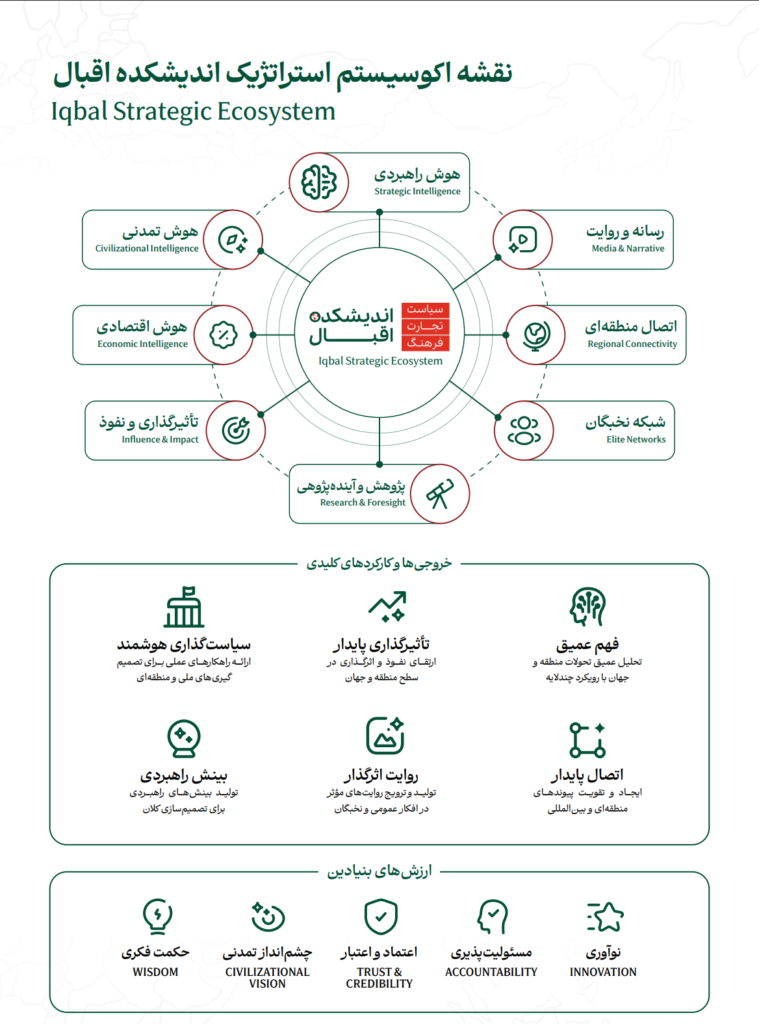
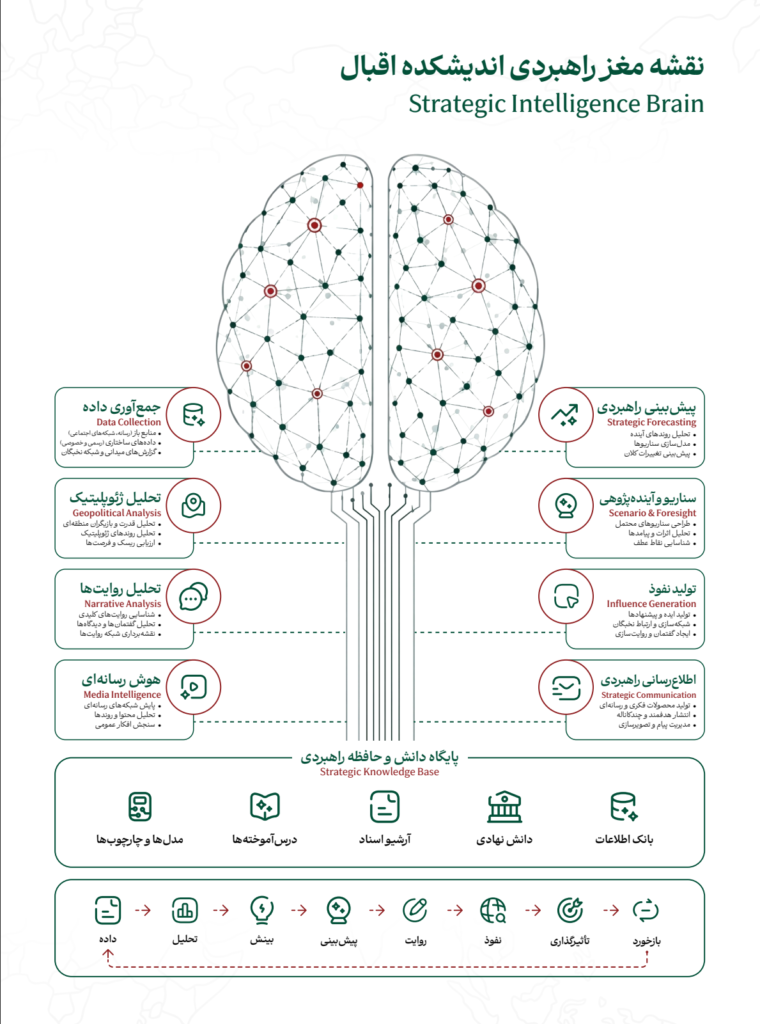
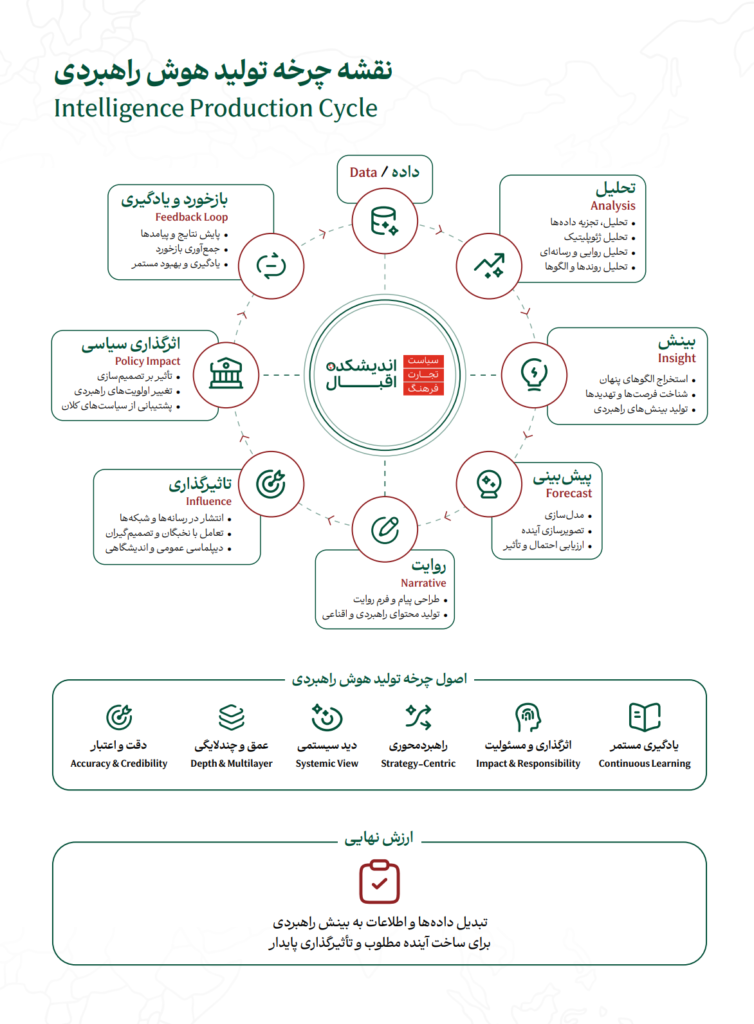
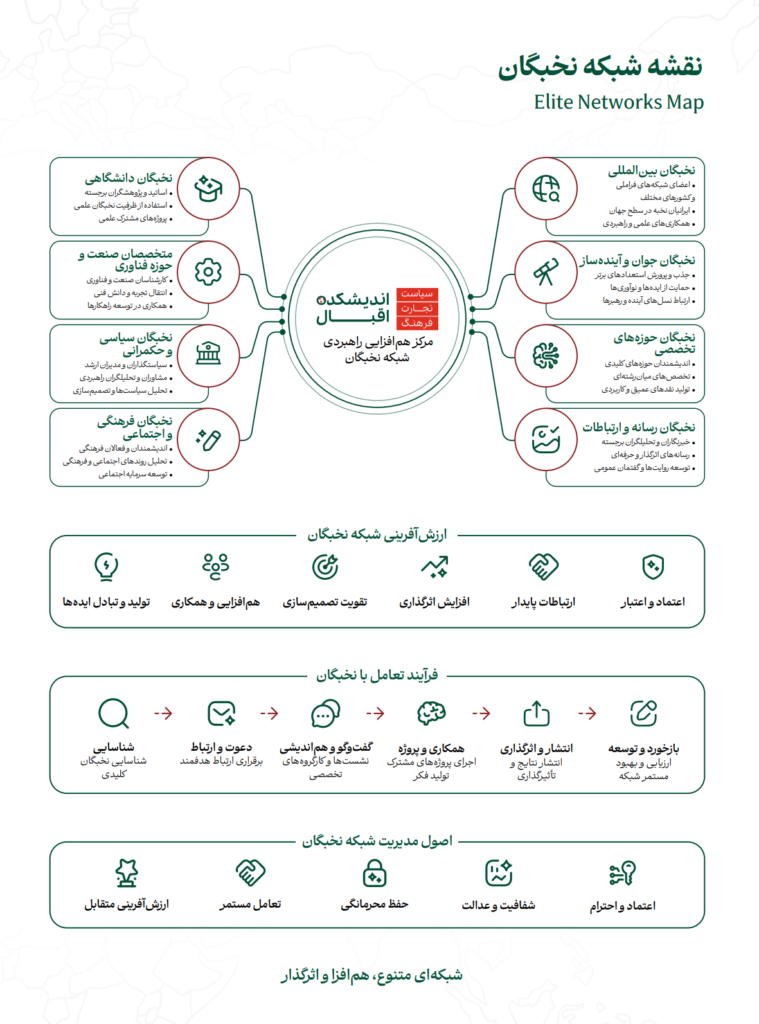
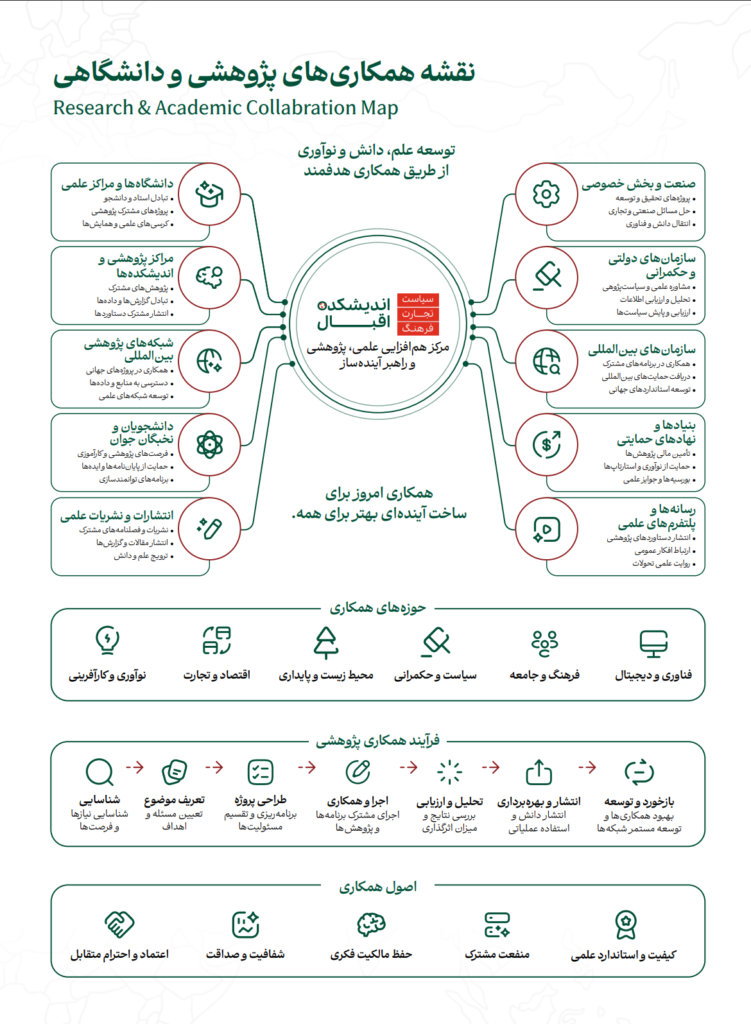
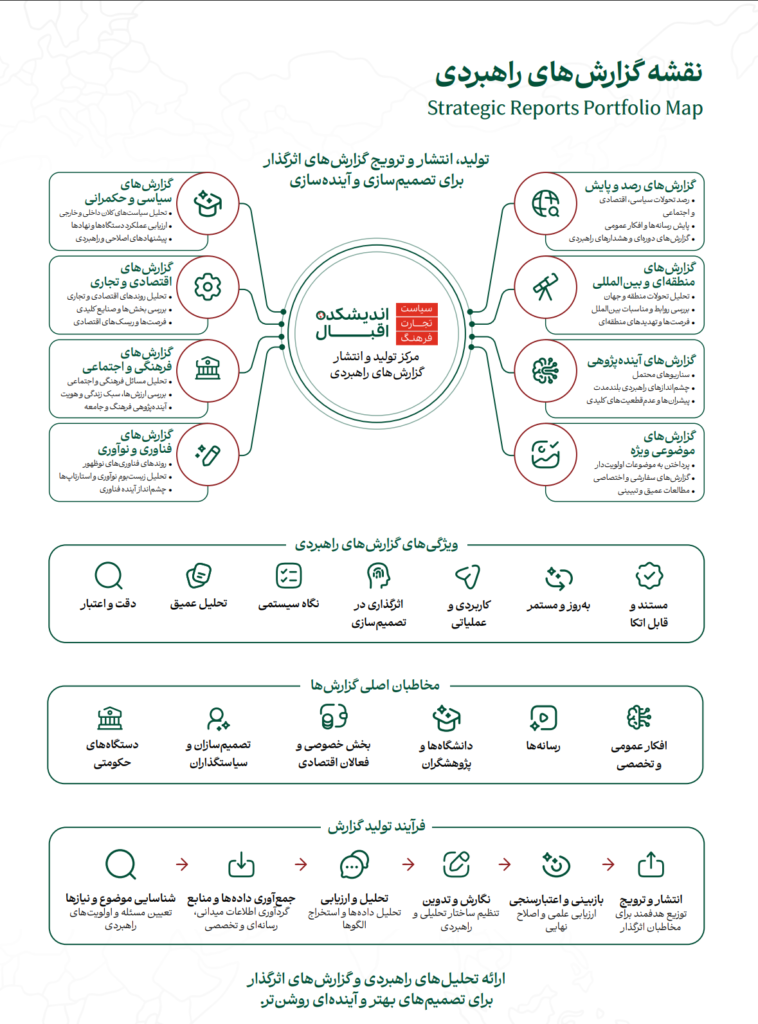
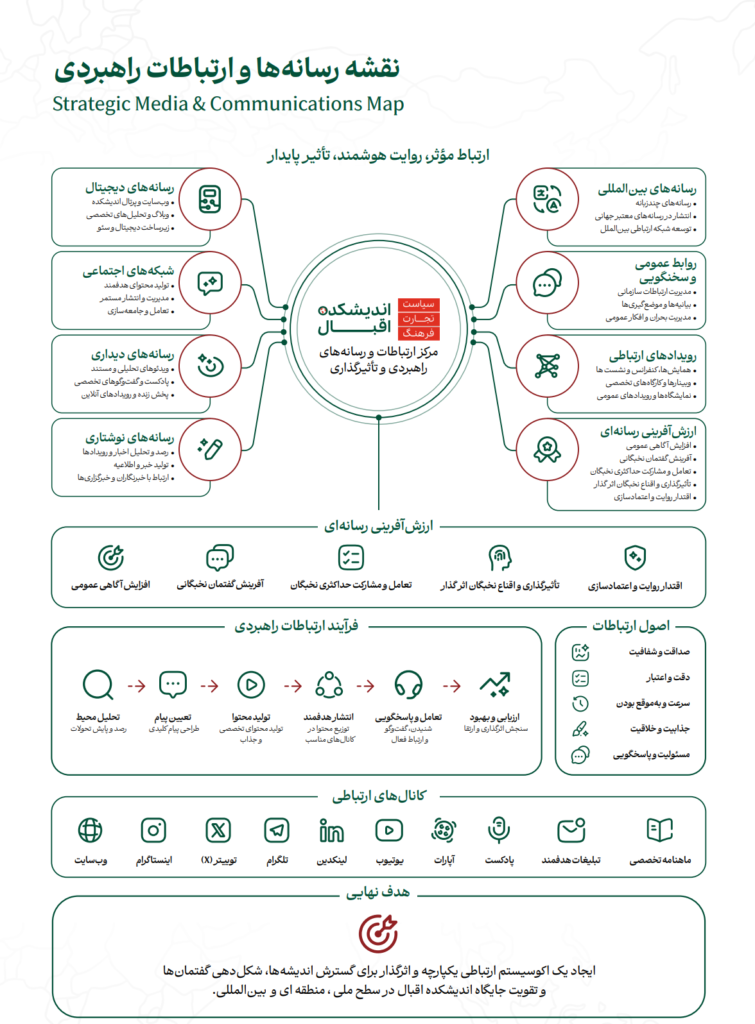
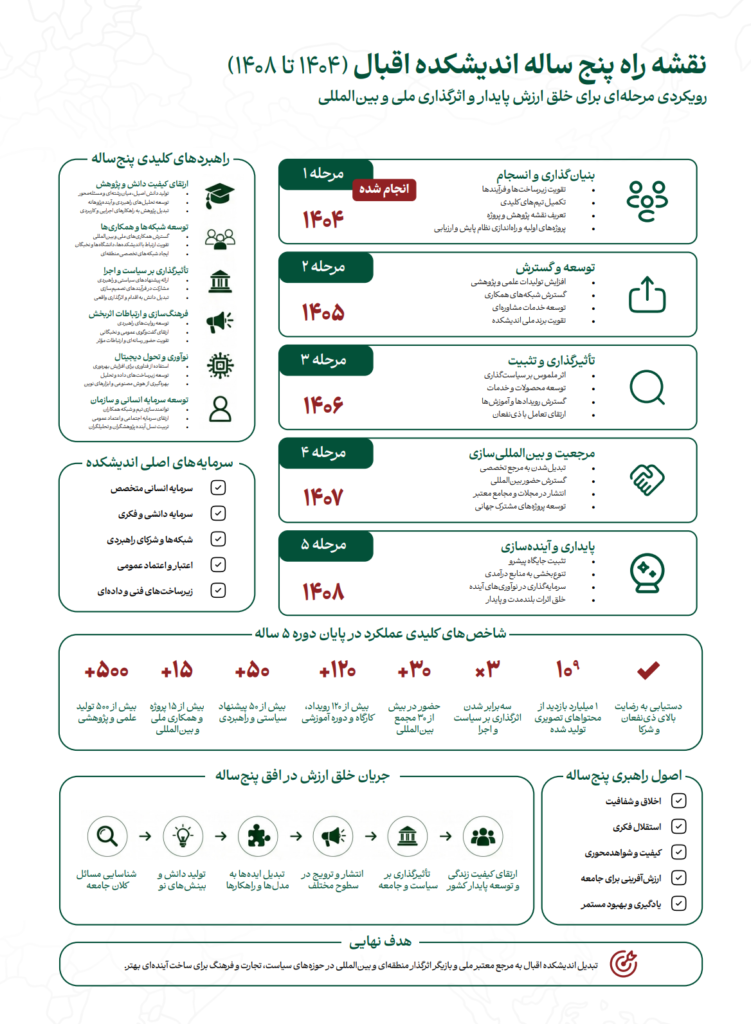
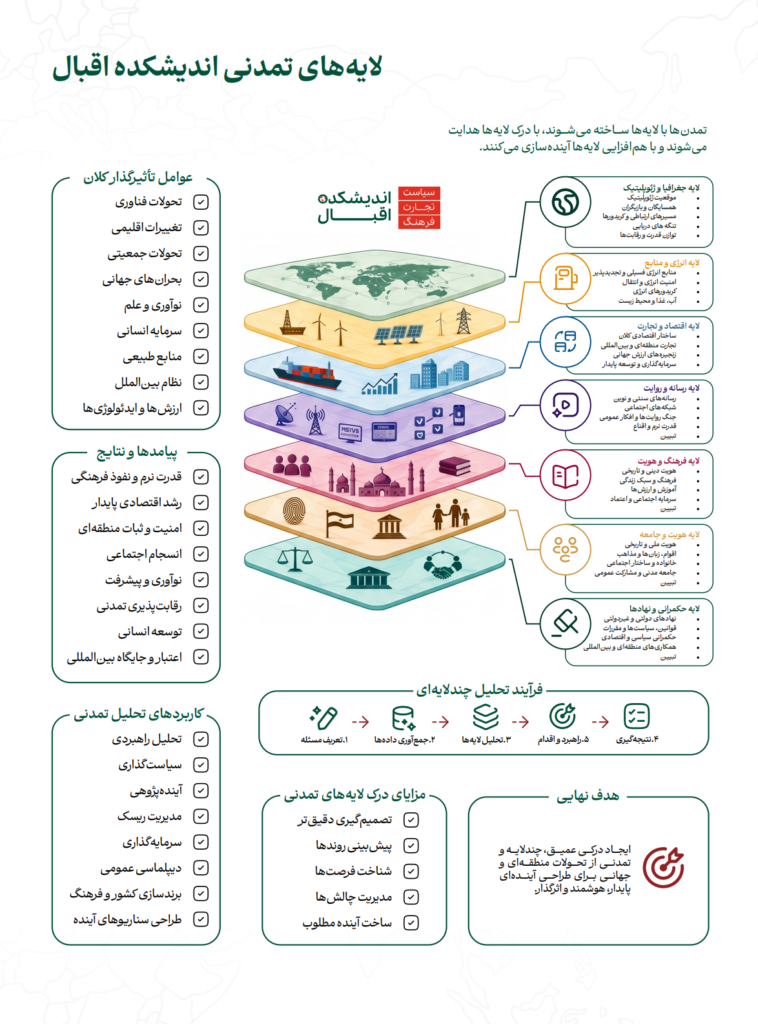
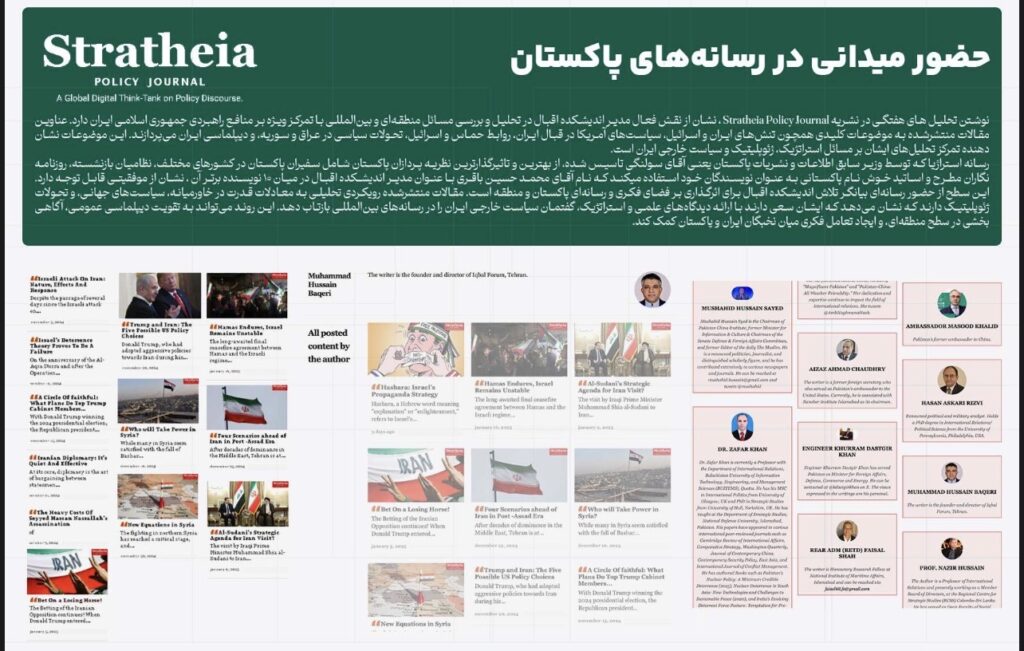
That is why Iqbal Forum has moved beyond the traditional think-tank model toward a strategic ecosystem in which research is linked to media, data becomes insight, experts form a living network, and regional cooperation moves from slogans to practice.
We believe the region's future will be built through connection rather than isolation, through mutual understanding rather than exclusion, and through deeper, more humane narratives rather than a war of narratives.
This is also why we chose the name Iqbal.
For us, Allama Muhammad Iqbal of Lahore is more than a great poet and thinker. He was among the first to call for an intellectual awakening of the East and for closer unity among Muslim nations. Decades before today's regional blocs emerged, he urged the peoples of the East to recover their intellectual and historical self-confidence.
He believed that if Muslim nations rediscovered their intellectual, cultural and civilizational ties, they could play a major role in shaping the world's future.
To Iqbal, the East was not just a place on the map but a civilizational possibility: nations with a shared historical memory could once again build a network of understanding, cooperation, dignity and soft power.
He captured this vision in a well-known couplet:
If Tehran were to become the Geneva of the Eastern world,
the fate of this planet might yet change.
For us, these lines are more than poetry. They describe a future in which the nations of the region help shape the global order instead of living on its margins.
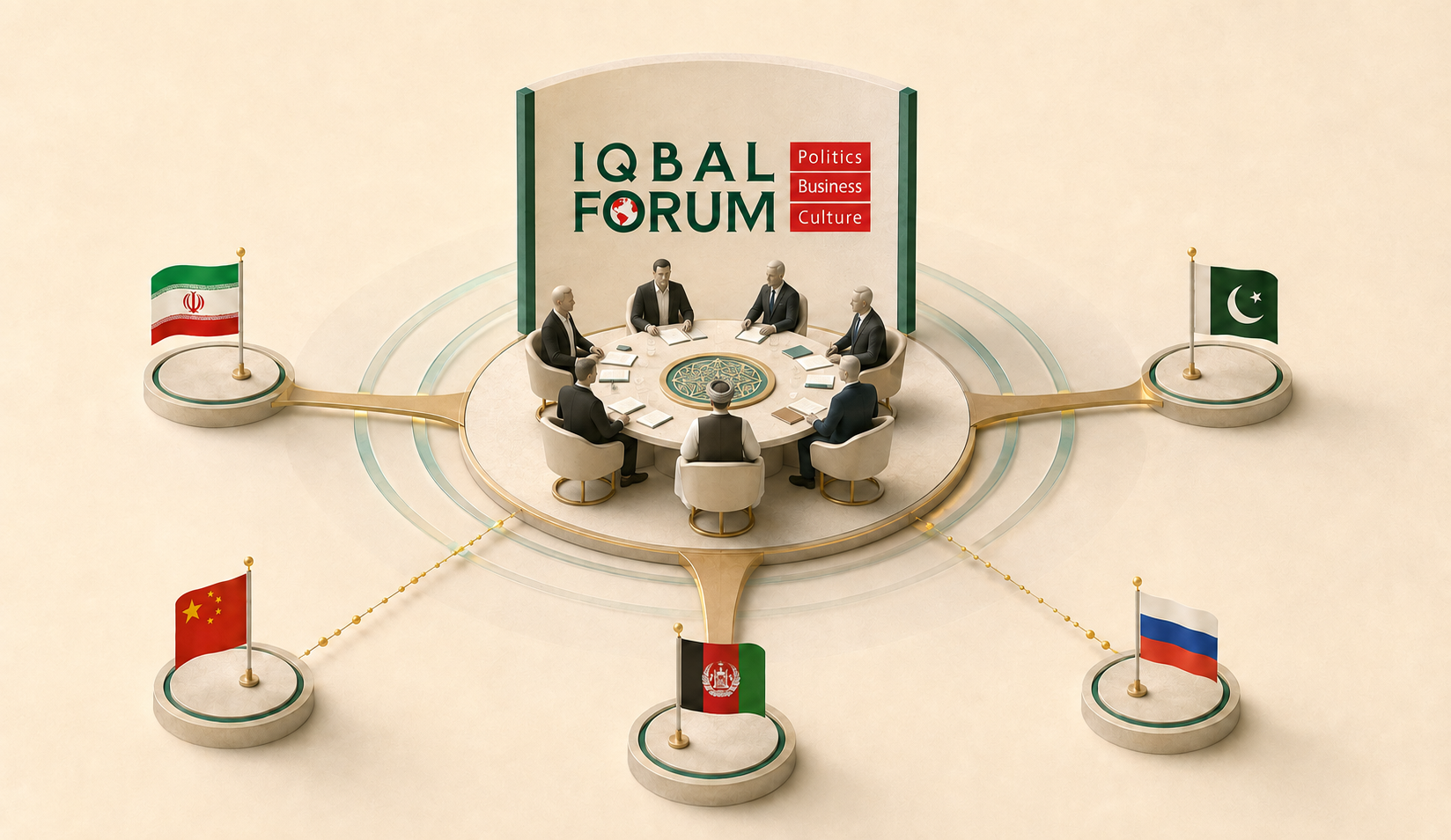
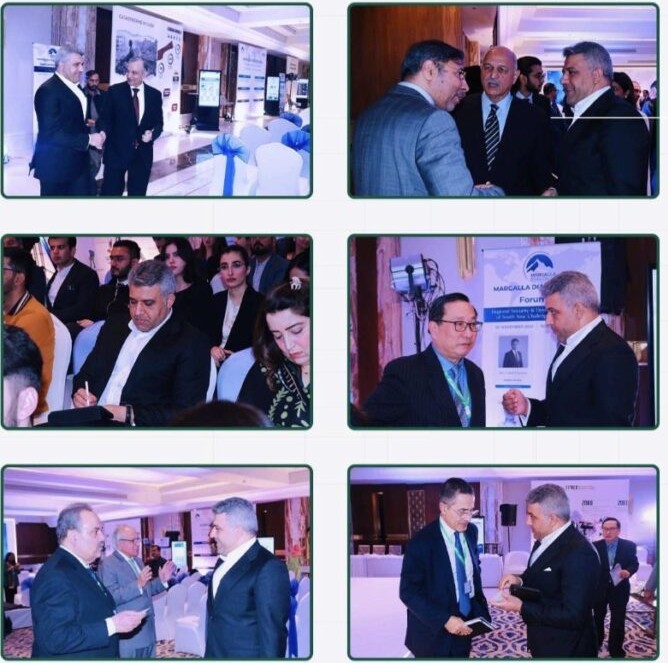
In that spirit, Iqbal Forum seeks to contribute, however modestly, to renewing civilizational ties, strengthening regional cooperation, widening dialogue among experts and decision-makers, and building a future grounded in understanding and practical cooperation.
We aim to be a new kind of think tank: one that helps shape events rather than only observing them, that builds connections rather than only offering analysis, and that produces understanding rather than only consuming data.
This path is not easy. Building institutions is hard; building trust is harder; and building a shared vision for a whole region is harder still.
Yet we believe the nations of this region are far closer than is often assumed, if the language of understanding, respect, knowledge and cooperation can be revived.
The pages that follow introduce an institution, but they also tell the story of an effort to build a lasting bridge between ideas and the future.