While calls for reopening Strait of Hormuz are intensifying given the profound impact its closure has had on global energy markets, recent remarks by US President Donald Trump are deeply unsettling.
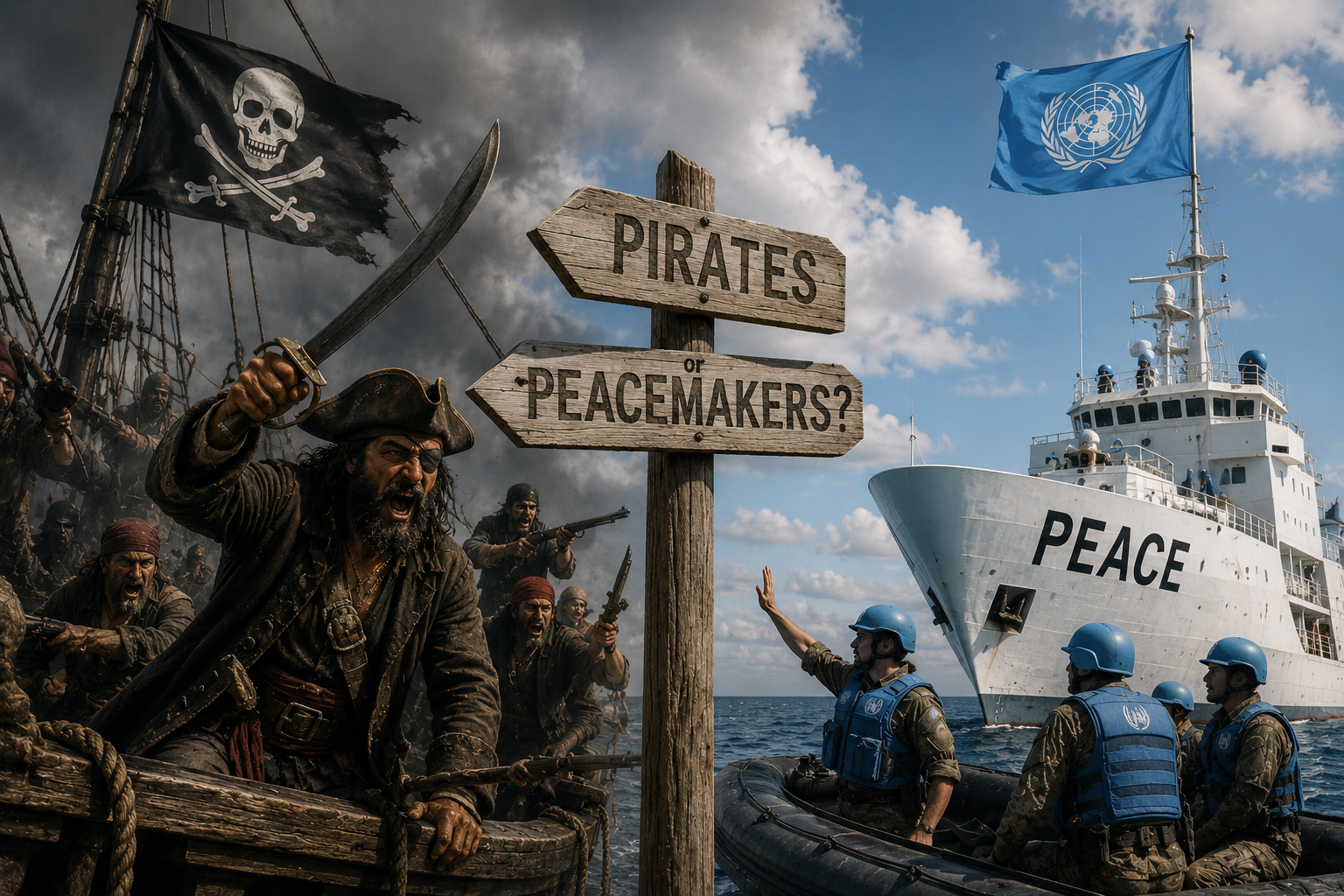
At a time when stability and measured diplomacy are urgently needed, such statements appear out of step with a responsible leadership. This is particularly striking considering that Trump has repeatedly claimed credit for ending wars and rose to power on promises of withdrawing the US from prolonged military conflicts. The language used by leaders carries weight far beyond domestic audiences, and it demands a level of caution and foresight. Referring to actions in terms that liken the US Navy to “pirates” raises a troubling question: Does the president want his country to be remembered as a force for peace or as a power willing to embrace lawless imagery in pursuit of its goals?
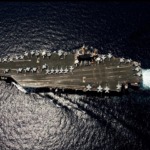
Trump’s comments about seizing ships and cargo amid the blockade of Iranian ports, delivered in a rally setting to cheering supporters, may have been intended to project strength. However, they risk undermining moral and diplomatic standing of the US on global stage. Such rhetoric, especially when framed in a celebratory tone, is interpreted as dismissive of international norms and rule-based order. Words matter, and in times of geopolitical tension, they can either de-escalate or inflame already fragile situations. Equally concerning is Trump’s suggestion that military strikes on Iran could resume if Tehran “misbehaves.” This statement signals a return to aggressive posturing at a moment when efforts to bring a permanent end to the US-Iran conflict are still in progress. The fragile ceasefire between two sides had raised hopes for a more durable peace, offering a brief yet meaningful respite from a conflict that has already inflicted significant human and economic costs. Reintroducing the possibility of renewed strikes not only jeopardises these gains but also sends a message that diplomacy remains secondary to coercion.
The consequences of the US-Iran conflict have been felt far beyond the immediate region. Disruptions in oil supply, rising energy prices and heightened geopolitical uncertainty have collectively strained global markets and deepened anxieties worldwide. Against this backdrop, any rhetoric that hints at escalation risks undoing the limited progress achieved so far. In contrast, Iran’s recent posture appears to be moving in a more constructive direction.
Reports indicate that Tehran has put forward a revised proposal aimed at reviving stalled negotiations with the United States. Notably, this new approach reflects greater flexibility, including a willingness to discuss conditions surrounding the Strait of Hormuz alongside US guarantees to end attacks and lift blockade of Iranian ports. This marks a significant shift from Iran’s earlier stance, which had insisted on preconditions before any broader talks could take place.
Moreover Iran has signaled its readiness to resume early negotiations, with Pakistan being proposed as the venue for these discussions. This openness to dialogue suggests a genuine interest in pursuing a diplomatic resolution. While challenges undoubtedly remain, such developments offer a window of opportunity that should not be overlooked. It is now incumbent upon the US to take this proposal seriously and engage directly with Iran at the negotiating table. Diplomacy, though often slow and complex, remains the most viable path to resolving conflicts of this magnitude. Rejecting or undermining these efforts through inflammatory rhetoric would only deepen mistrust and prolong uncertainty. President Trump should not lean into imagery that evokes piracy or unilateral force, rather he should strive to embody the role of a leader committed to dialogue, restraint and long-term peace. The world is watching closely, and the decisions made now will shape not only trajectory of US-Iran relations but also broader quest for global stability.