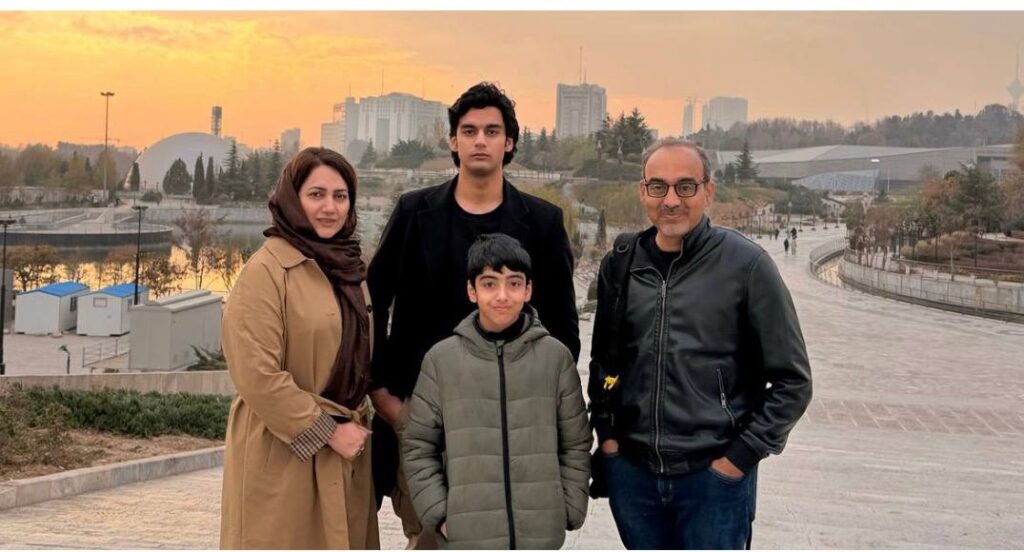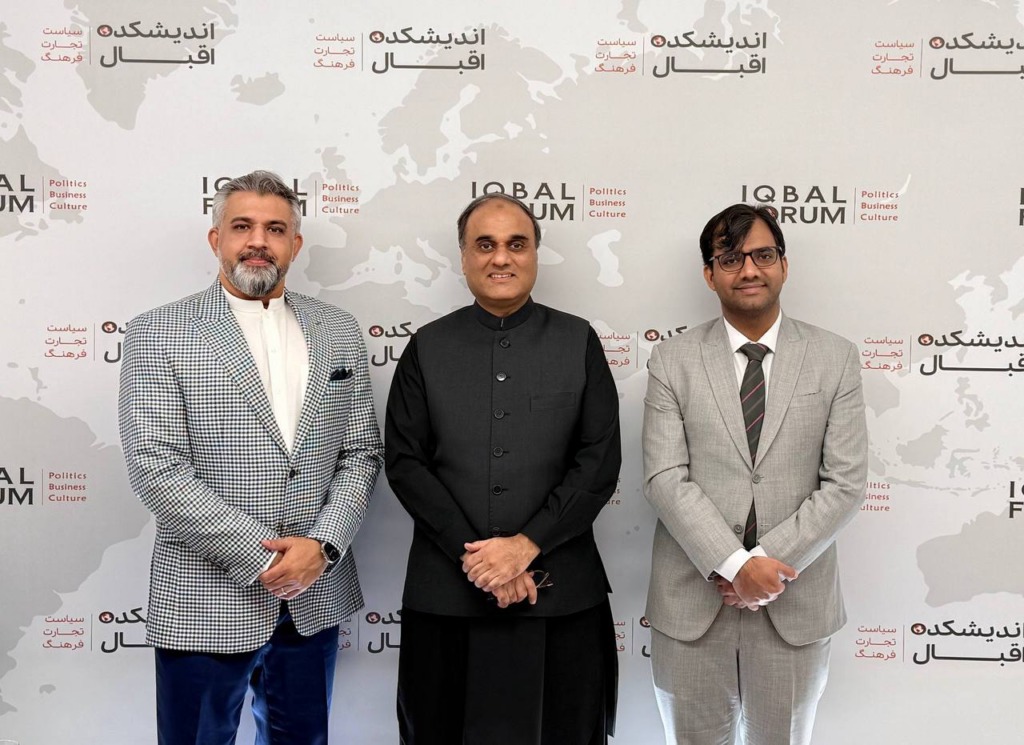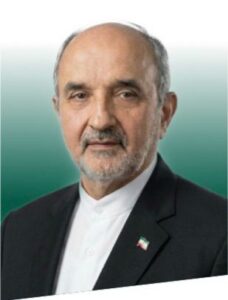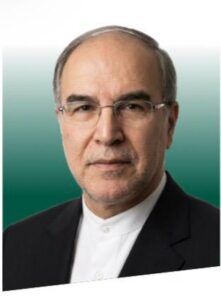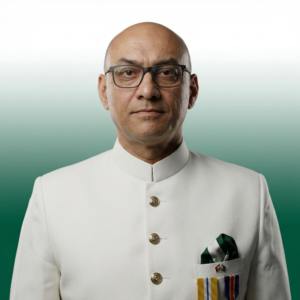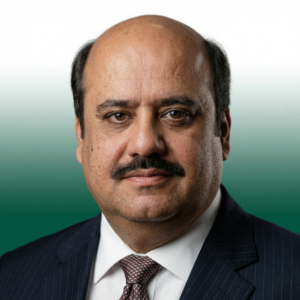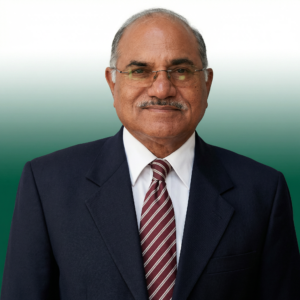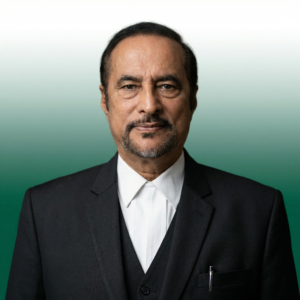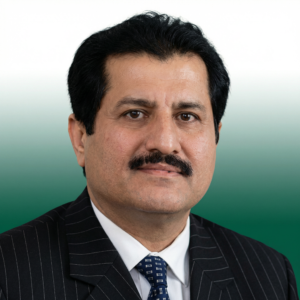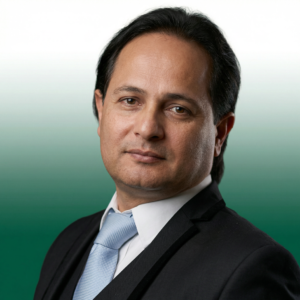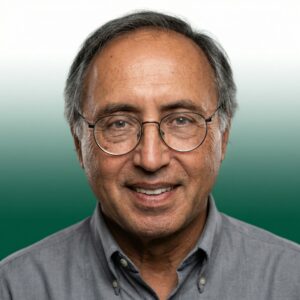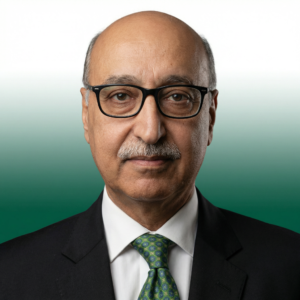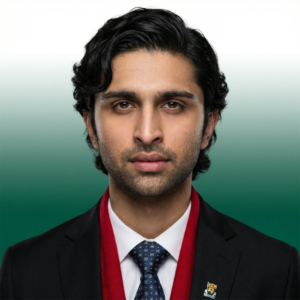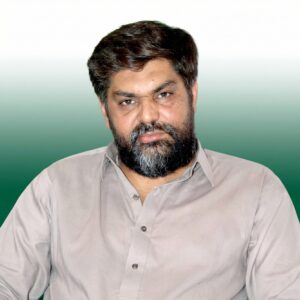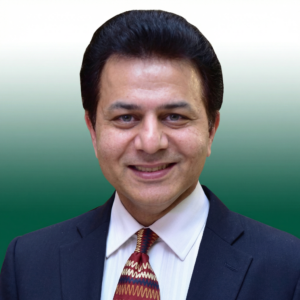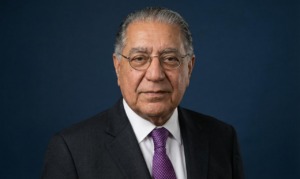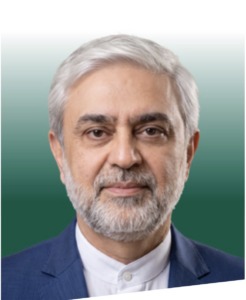



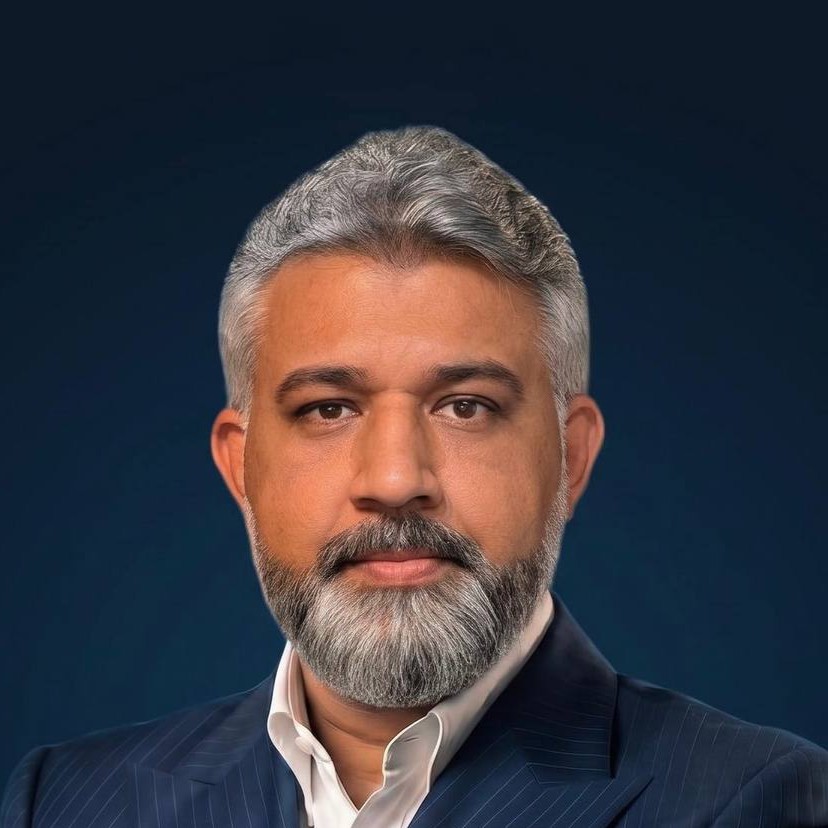
Muhammad Hussain Baqeri
Founder & Chairman
Our world, more than ever before, has become trapped in an abundance of news and a poverty of understanding. People have become closer to one another, yet hearts have grown further apart; media has become more pervasive, yet truth has become more concealed amid the noise of competing narratives; and nations, despite all their historical and cultural proximity, have often remained deprived of a deep understanding of one another.
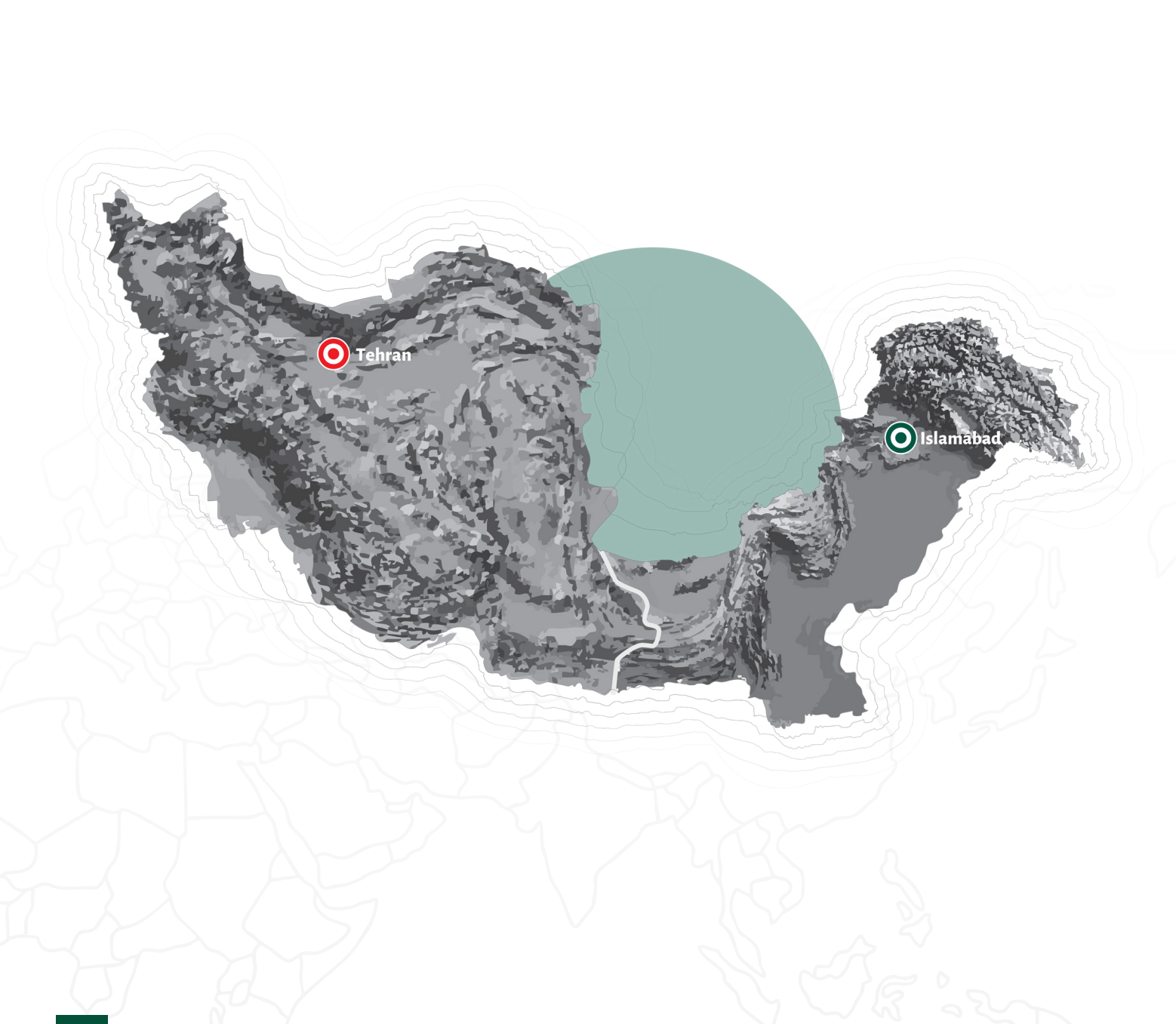
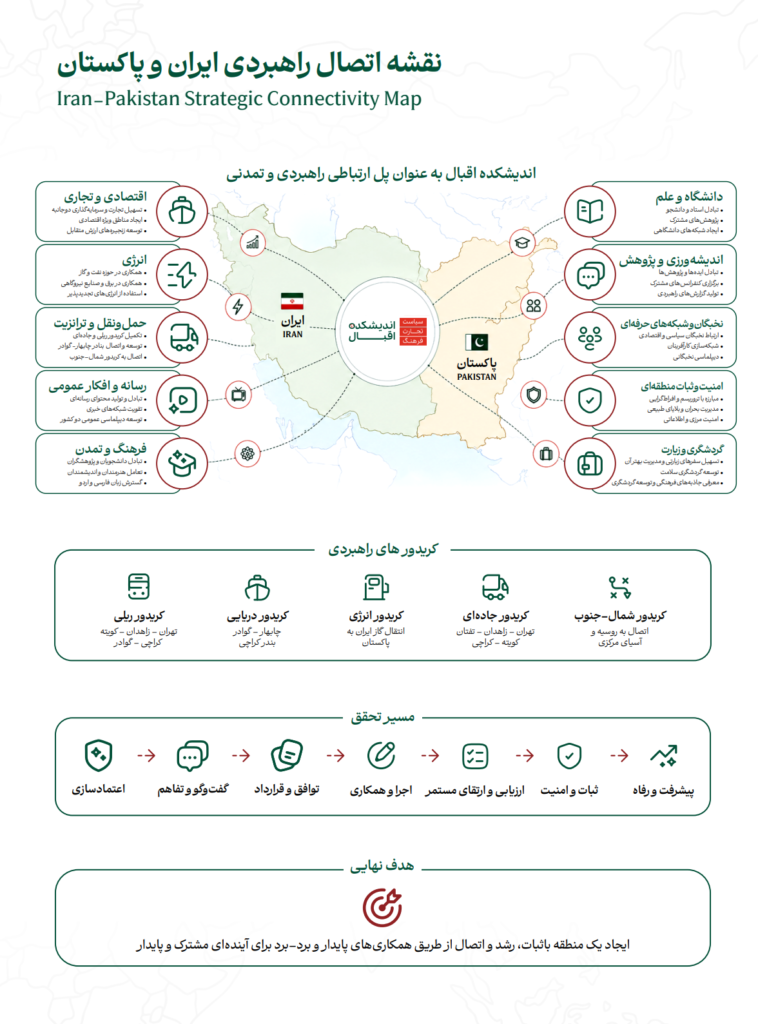
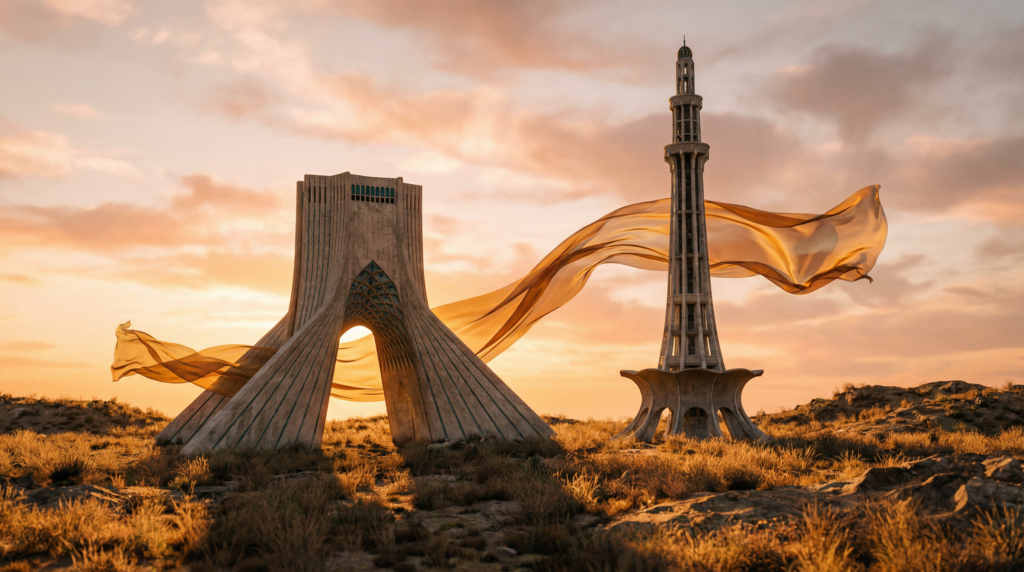
For years, I have lived with the question of why, despite so many historical, cultural, civilizational, and human commonalities, there still exists such distance, misunderstanding, and unfamiliarity among the nations of our region. Why have Iran and Pakistan, which for centuries breathed within the same civilizational geography, remained so far from a precise understanding of one another today? And why has our region, with all its human, economic, and intellectual capacities, still been unable to establish a sustainable network of trust, cooperation, and synergy?
iqbalforum is the result of reflection on these very questions.
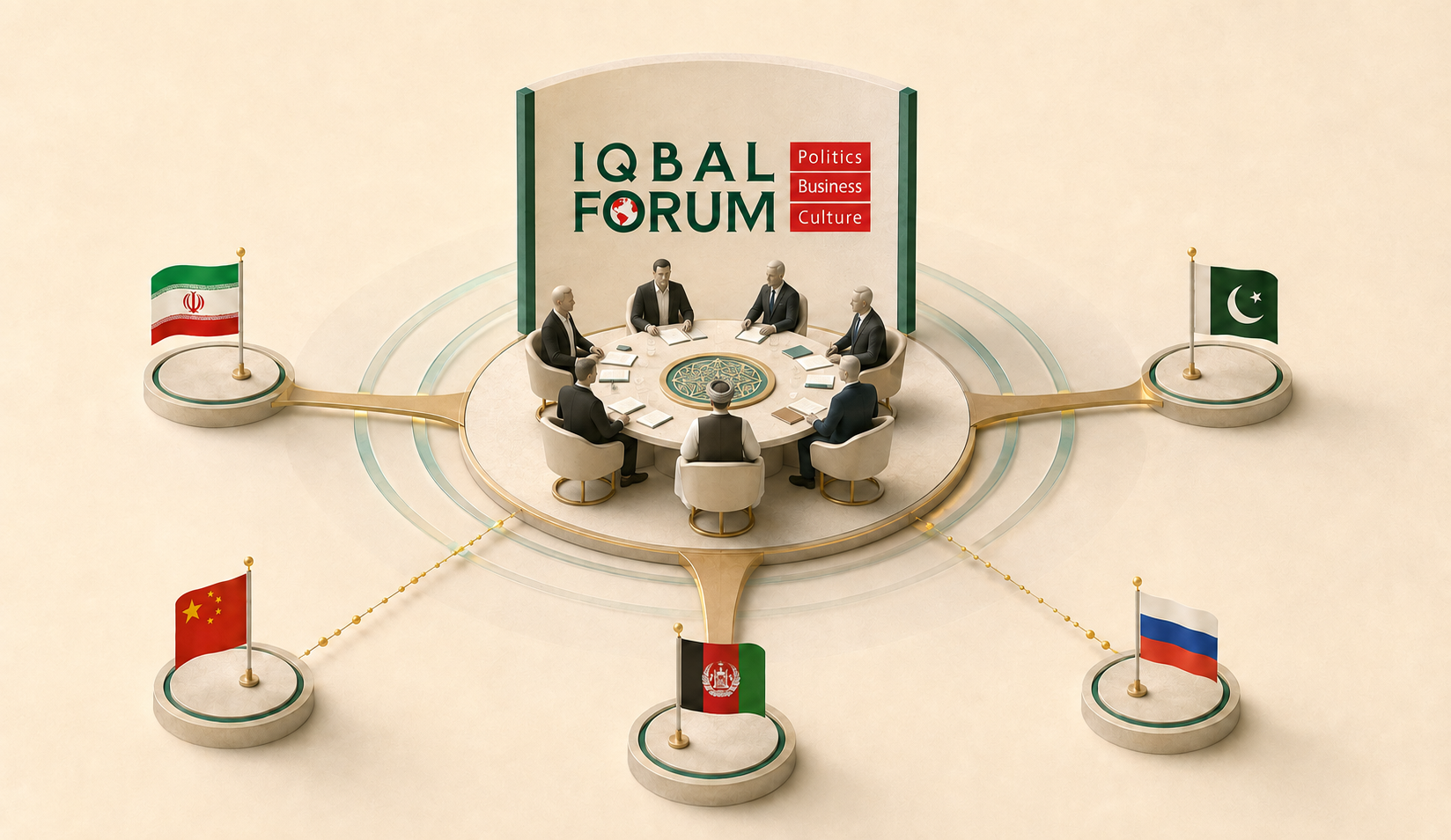
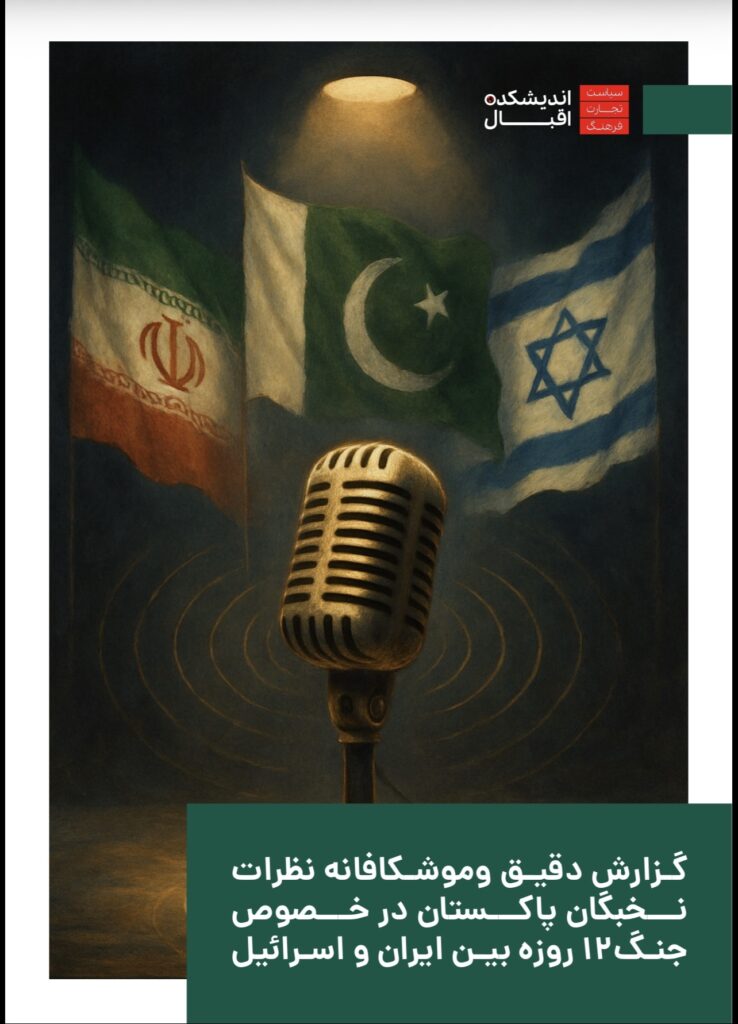
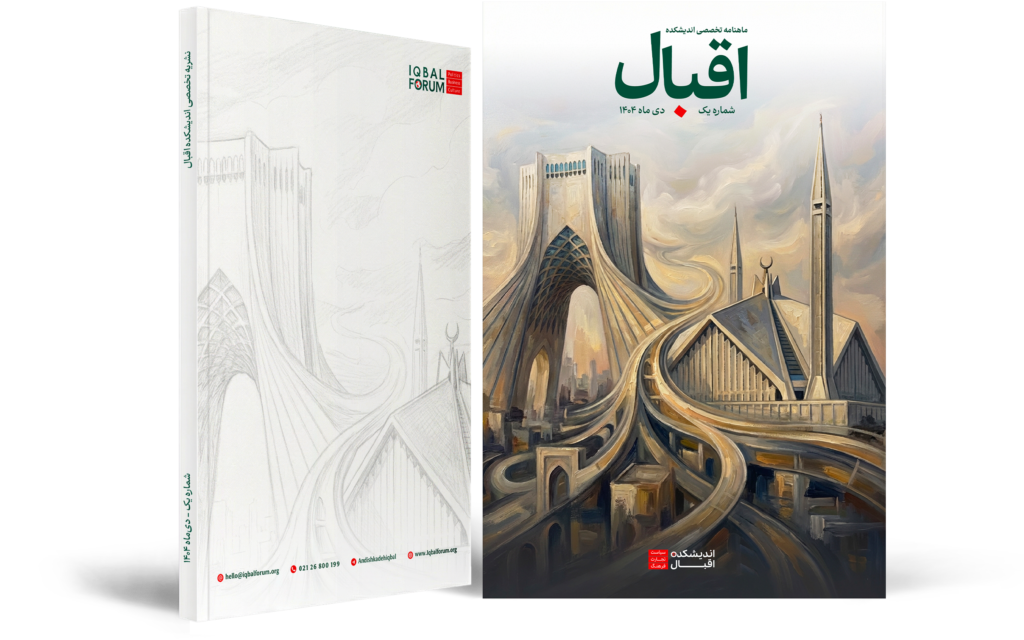
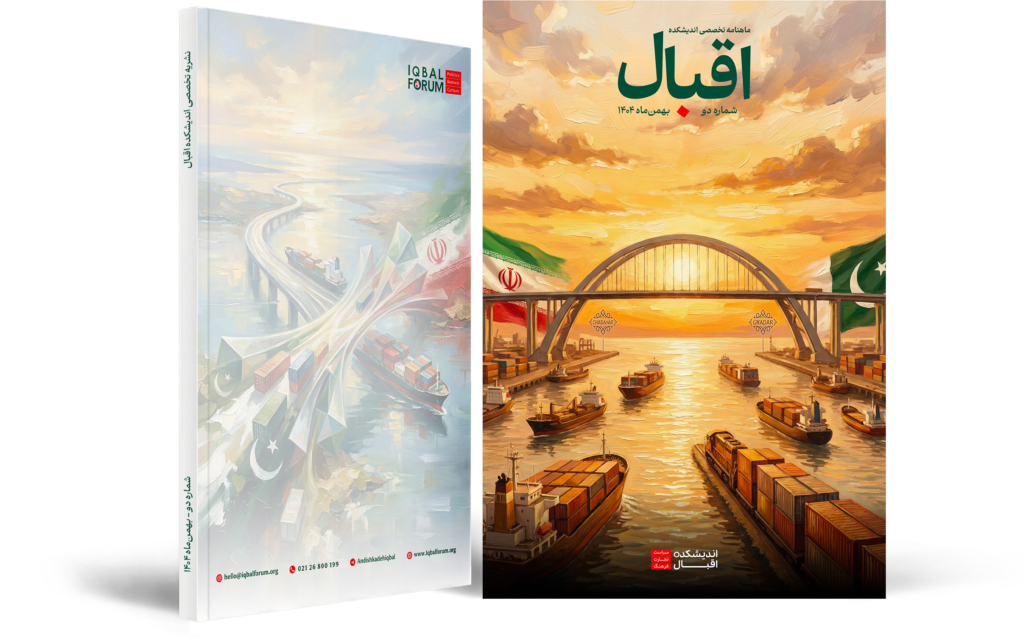
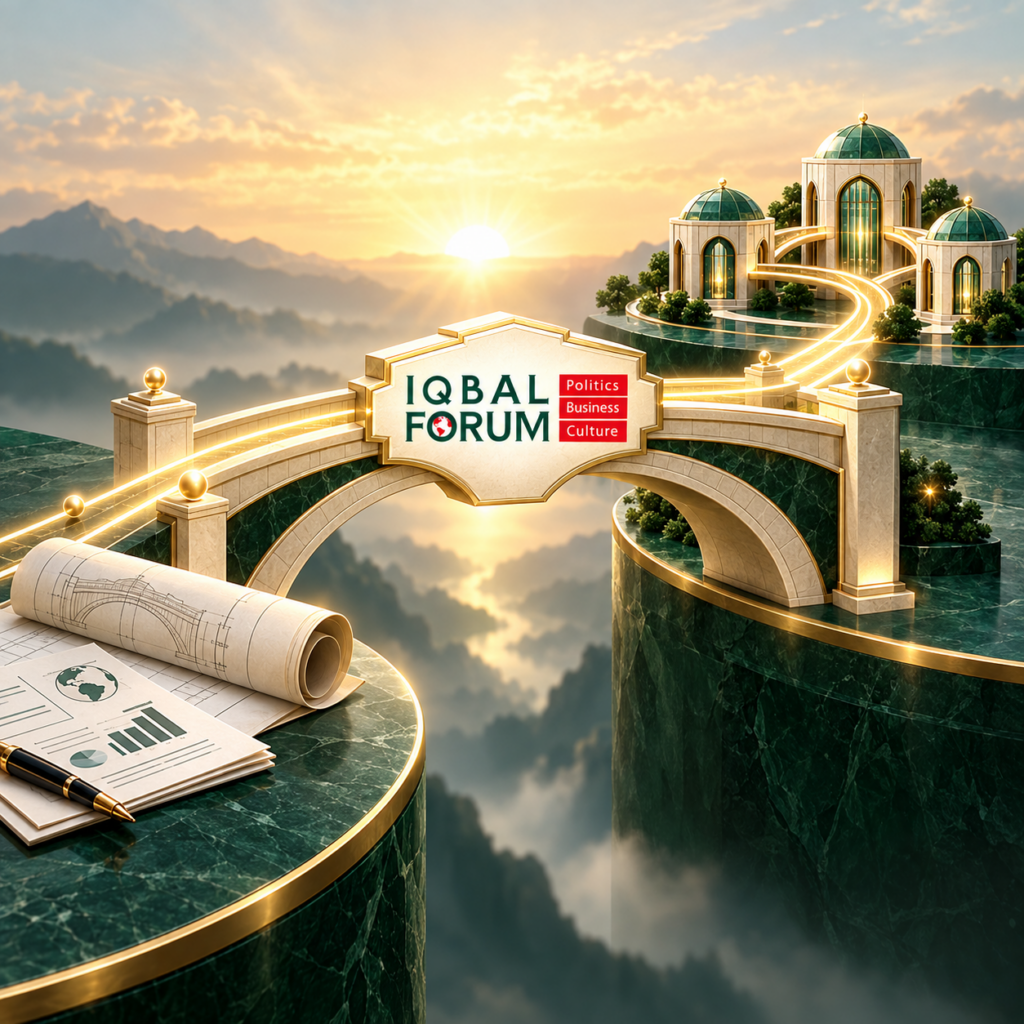
For me, Iqbal is not merely the name of a research institution; rather, it is an effort to restore “dialogue” to a region that has lived for years under the shadow of suspicion, incomplete narratives, and mental distances. It is an effort to rebuild a bridge between media and truth, between data and understanding, between elites and nations, and between the civilizational past and the intelligent future of the region.
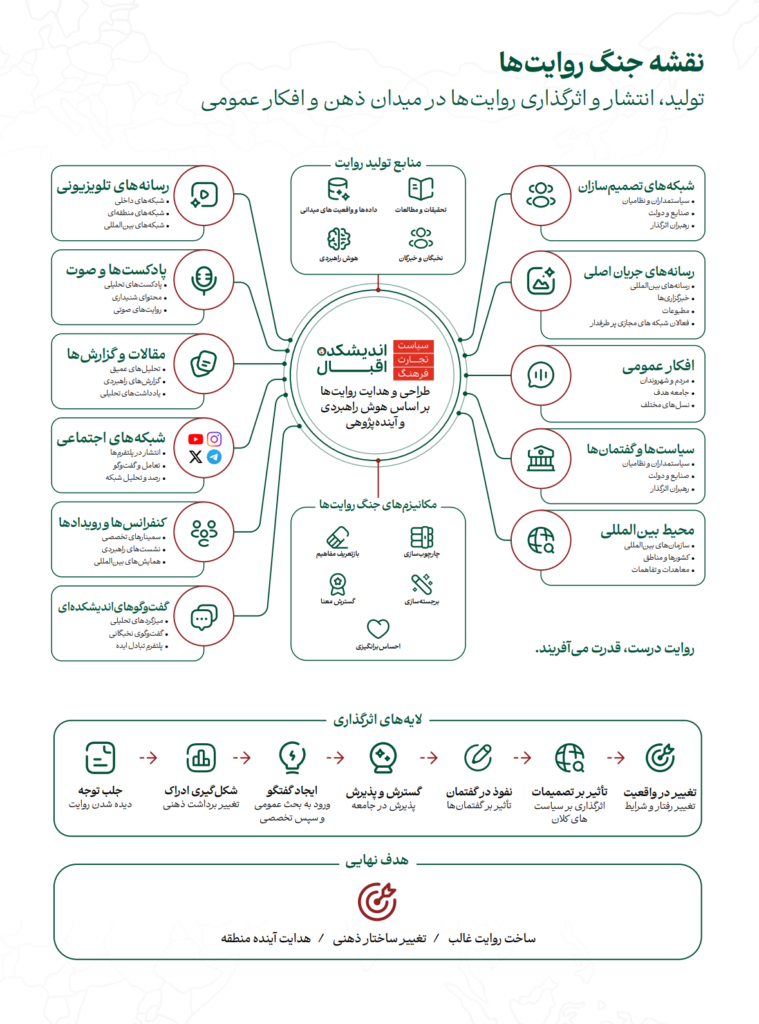
At Iqbal, from the very beginning, we did not seek merely to produce articles or organize conferences. Today’s world is no longer transformed by articles alone. True power lies in the ability to connect minds, shape narratives, create trust, generate knowledge, and help form the future.
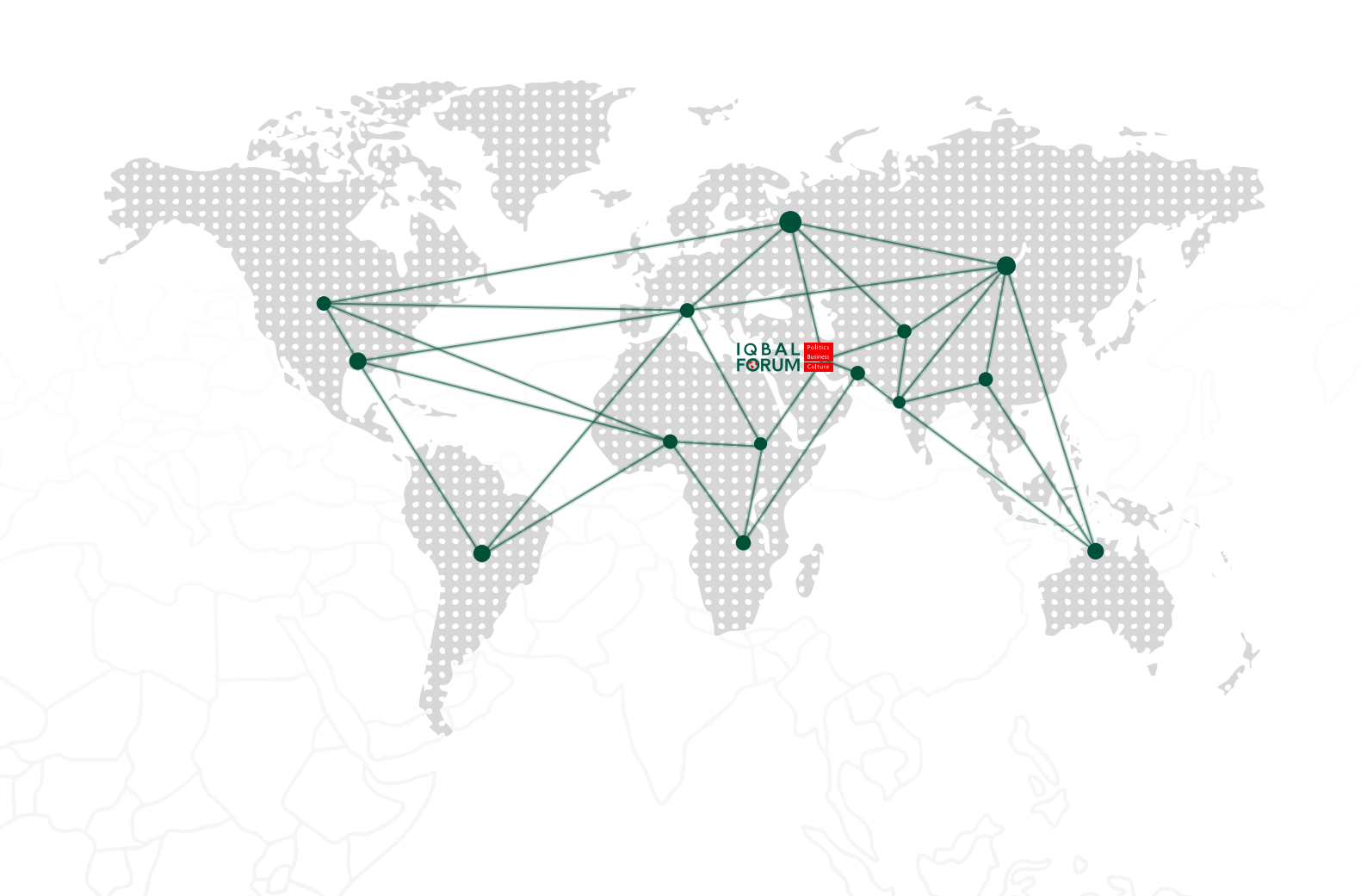
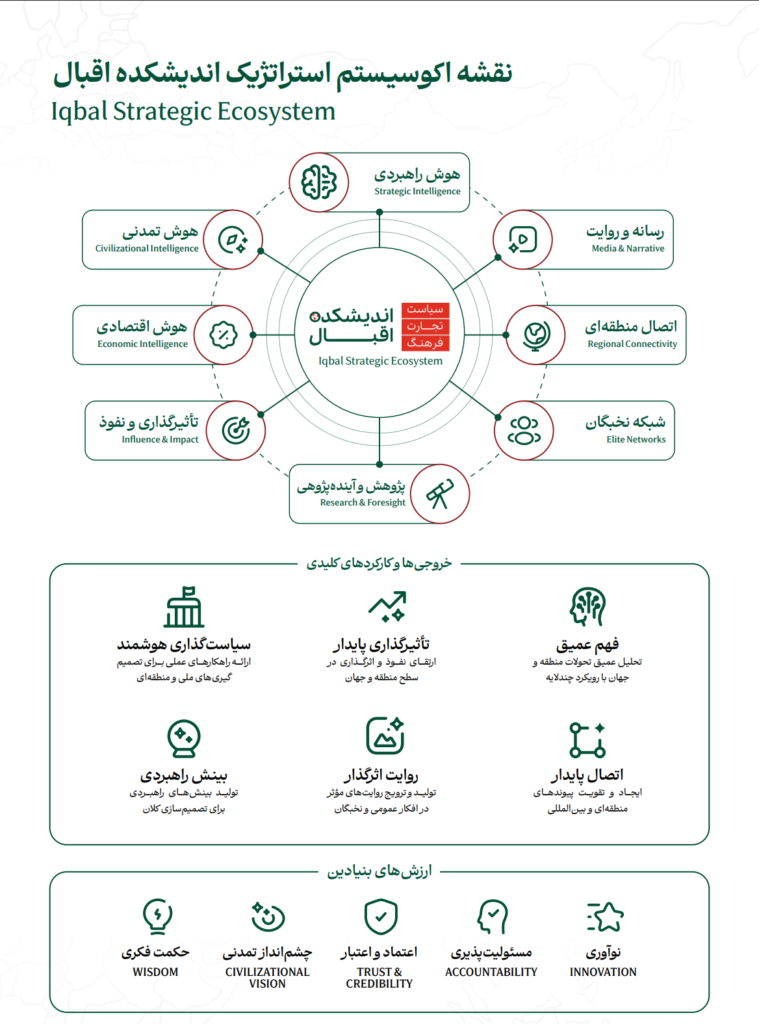
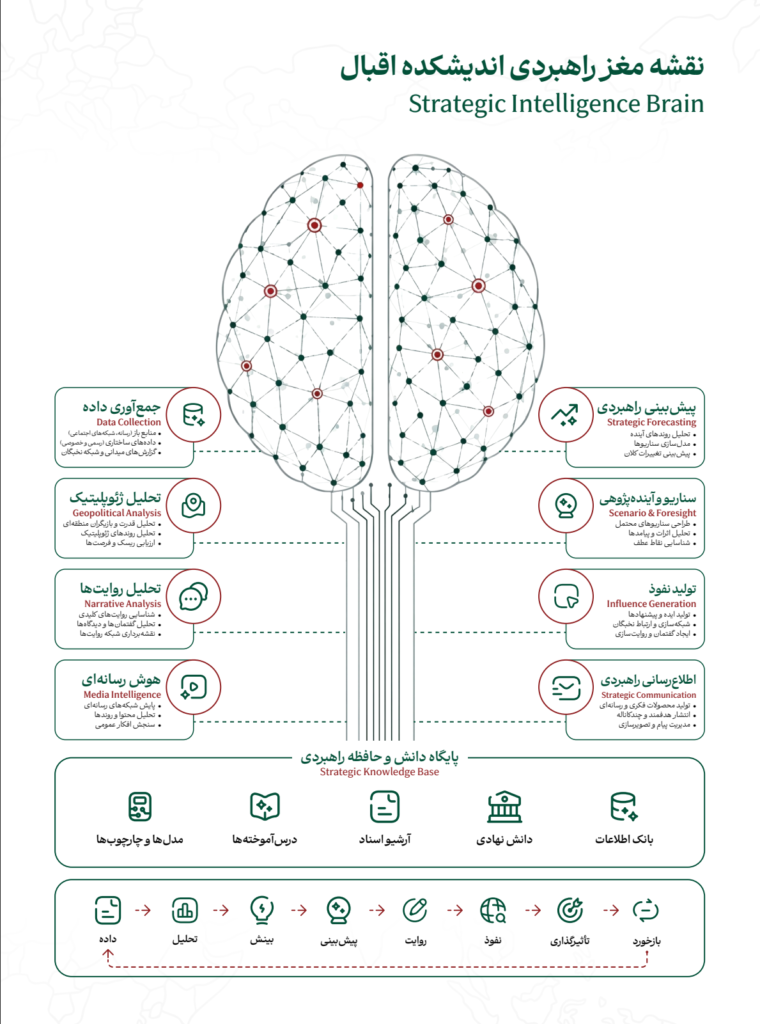
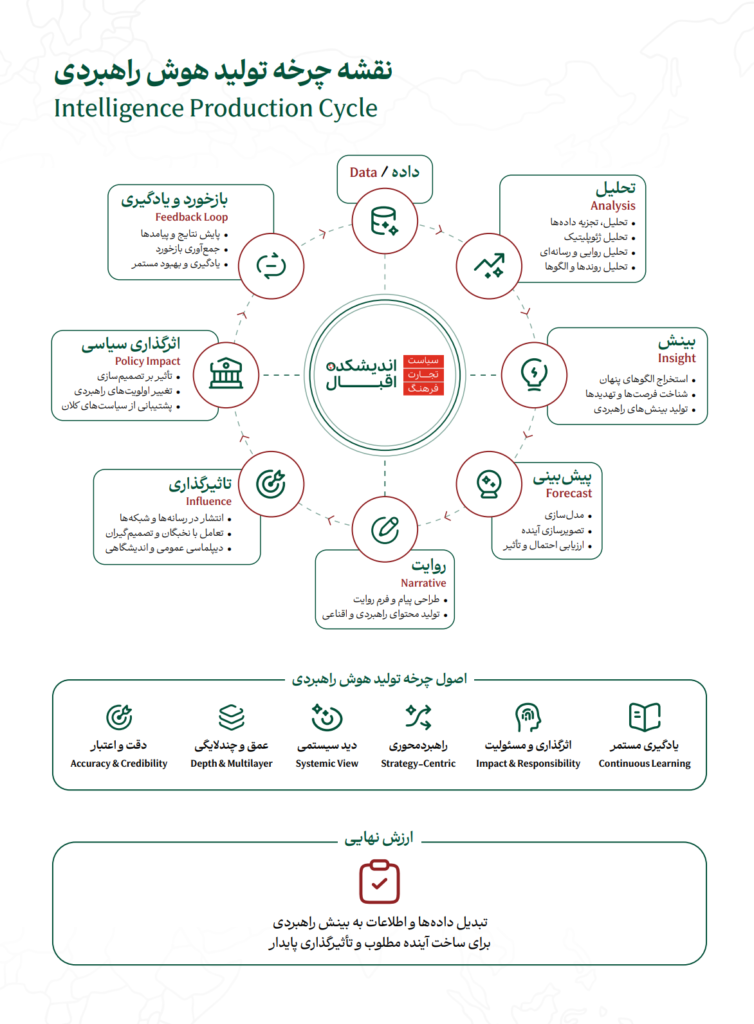
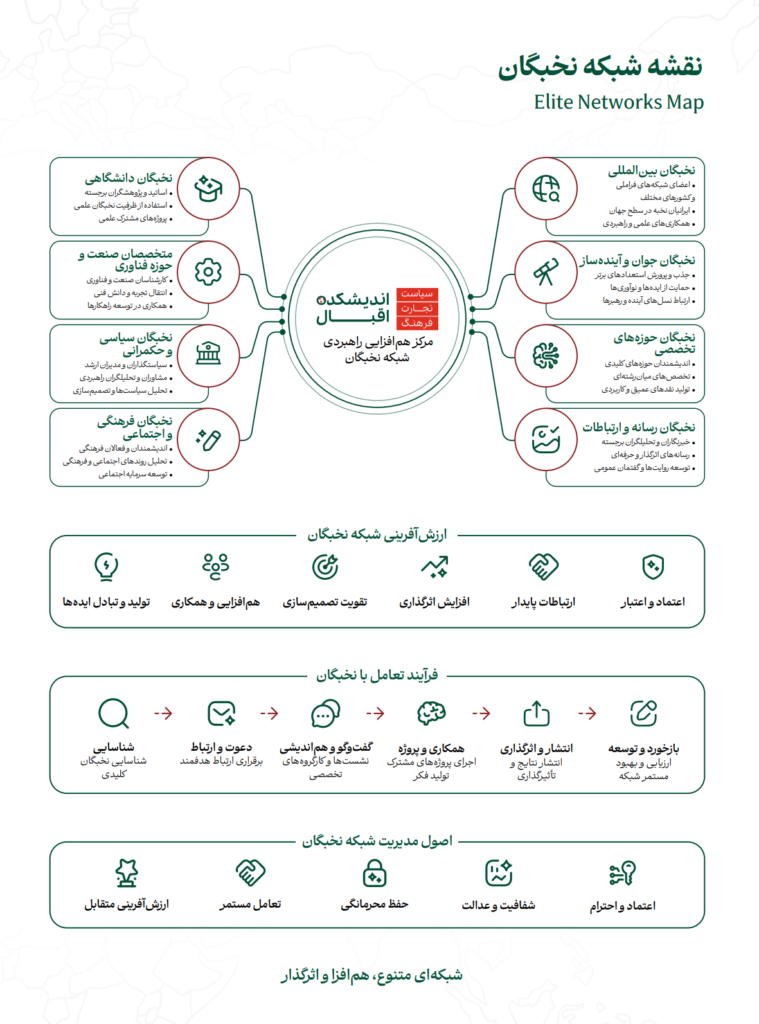
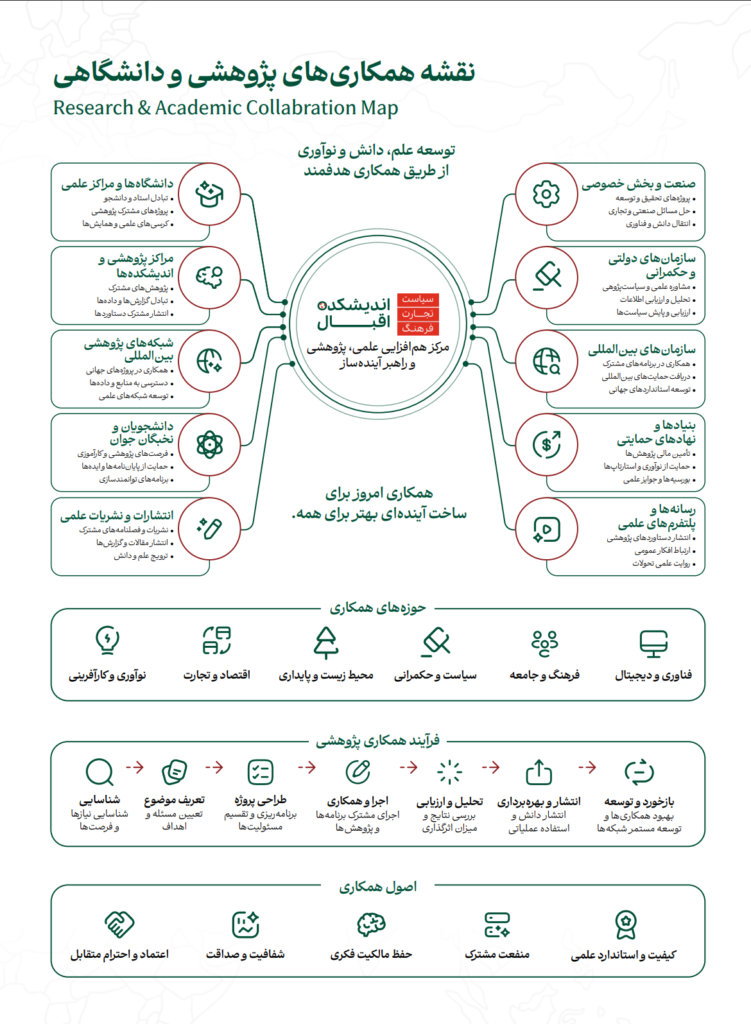
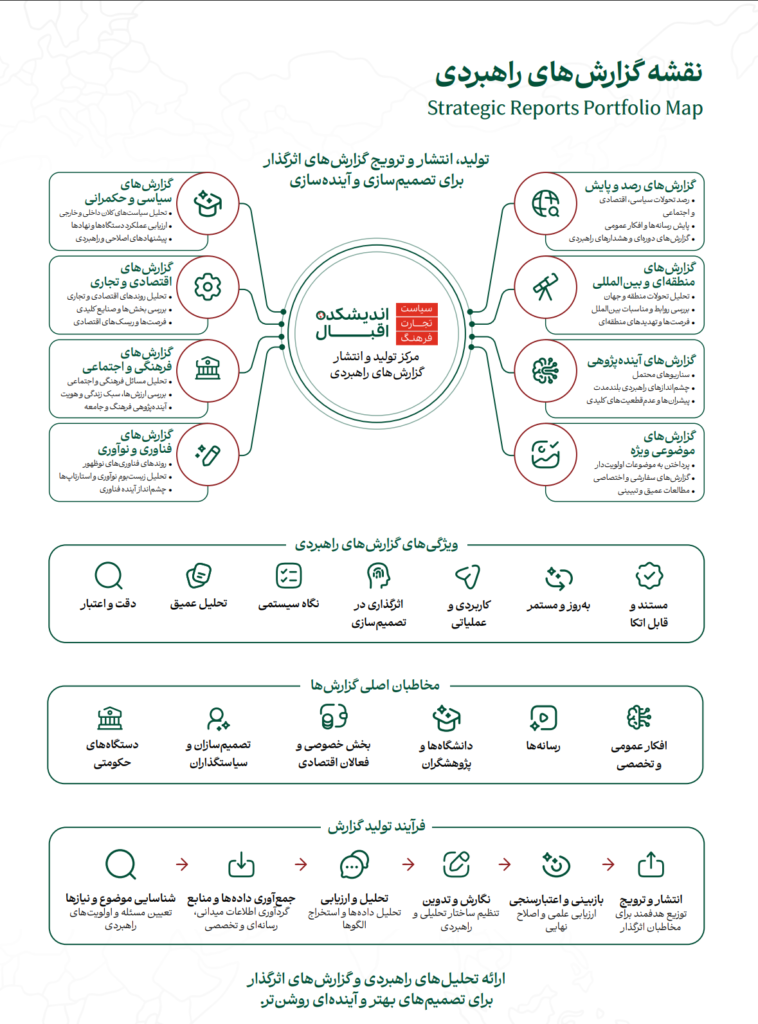
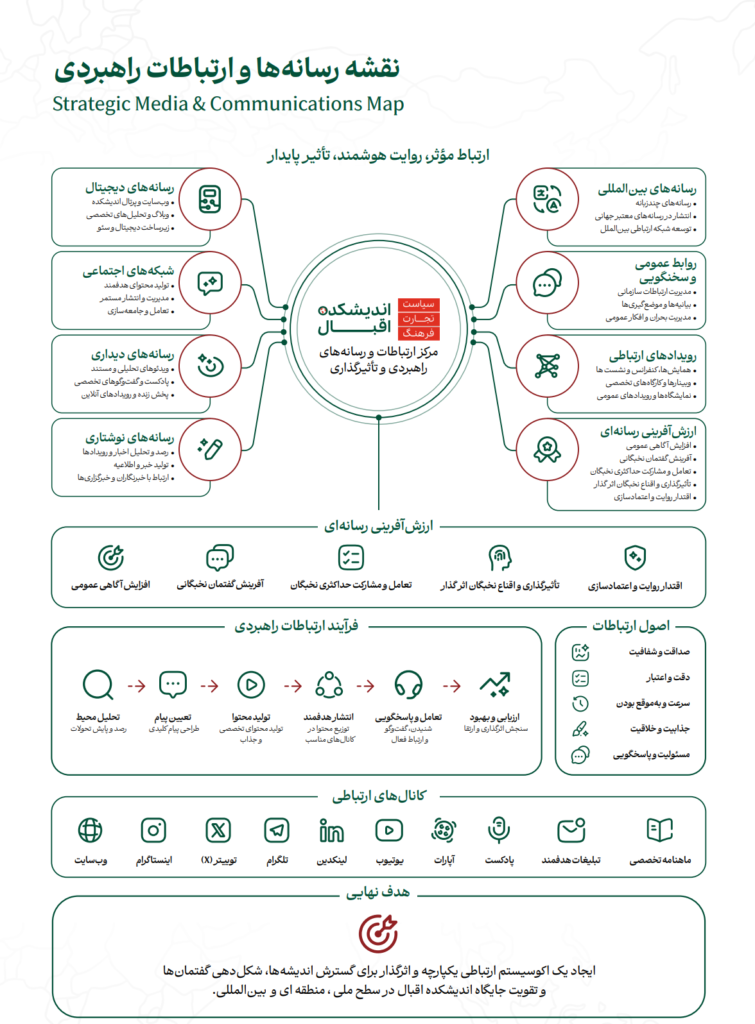
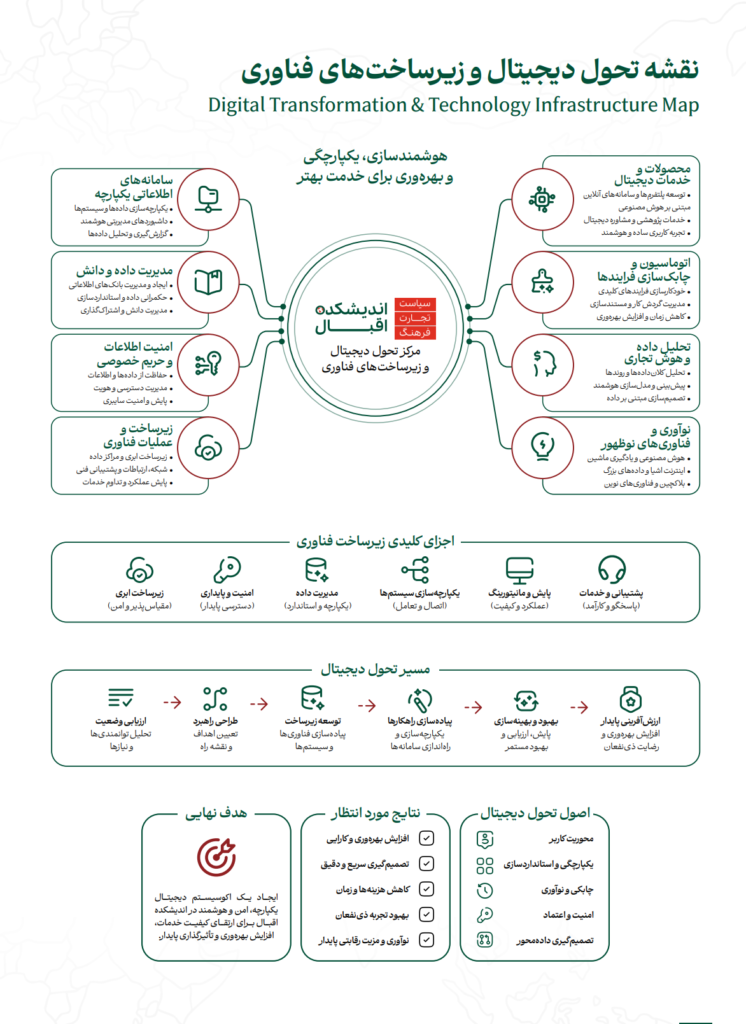
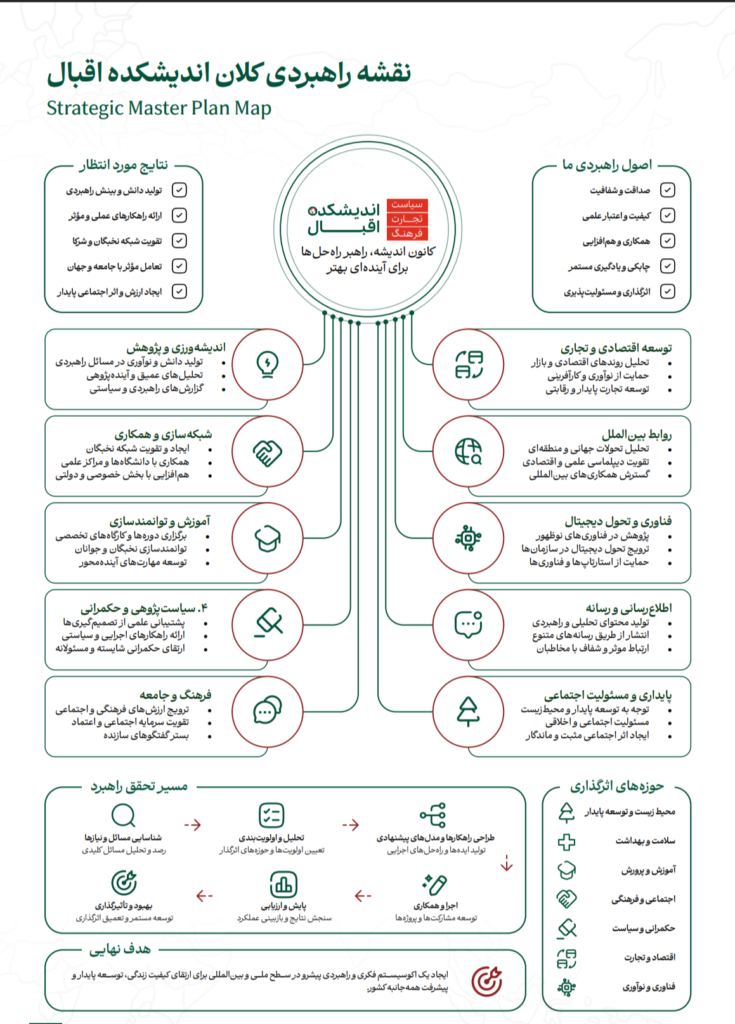
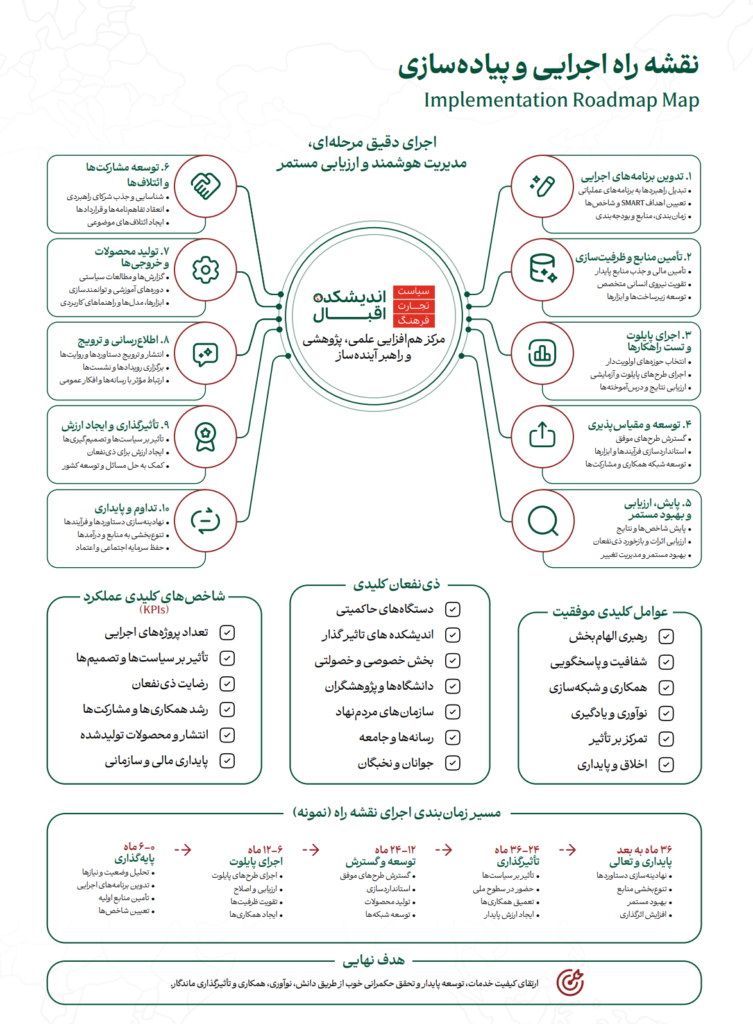
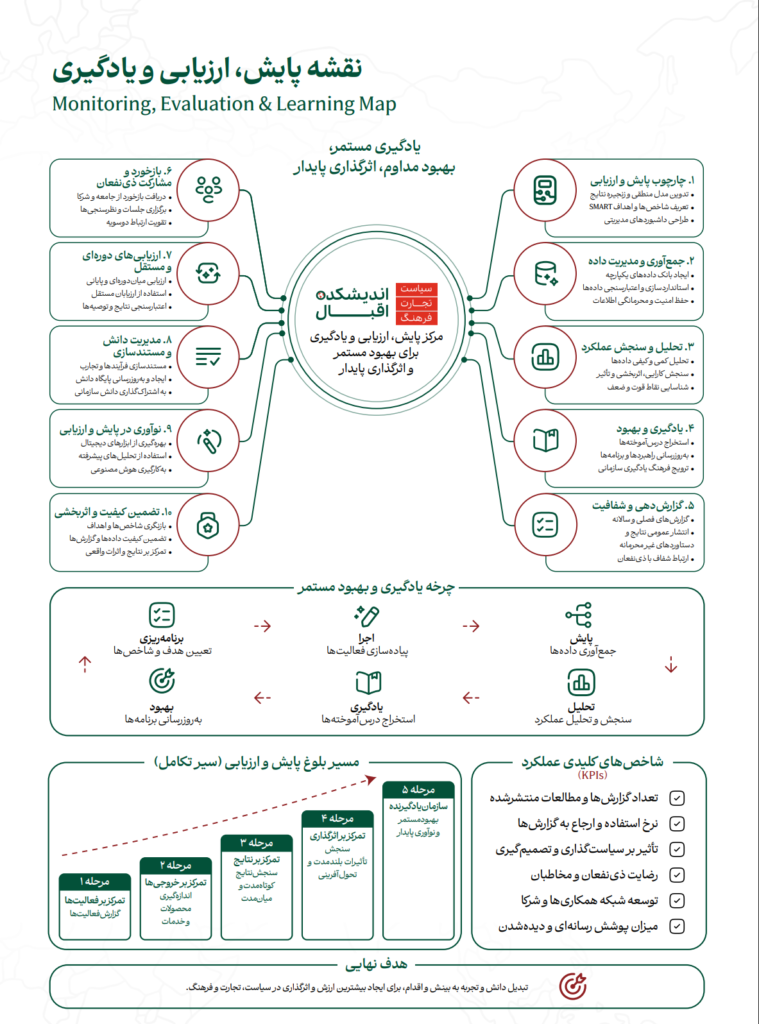
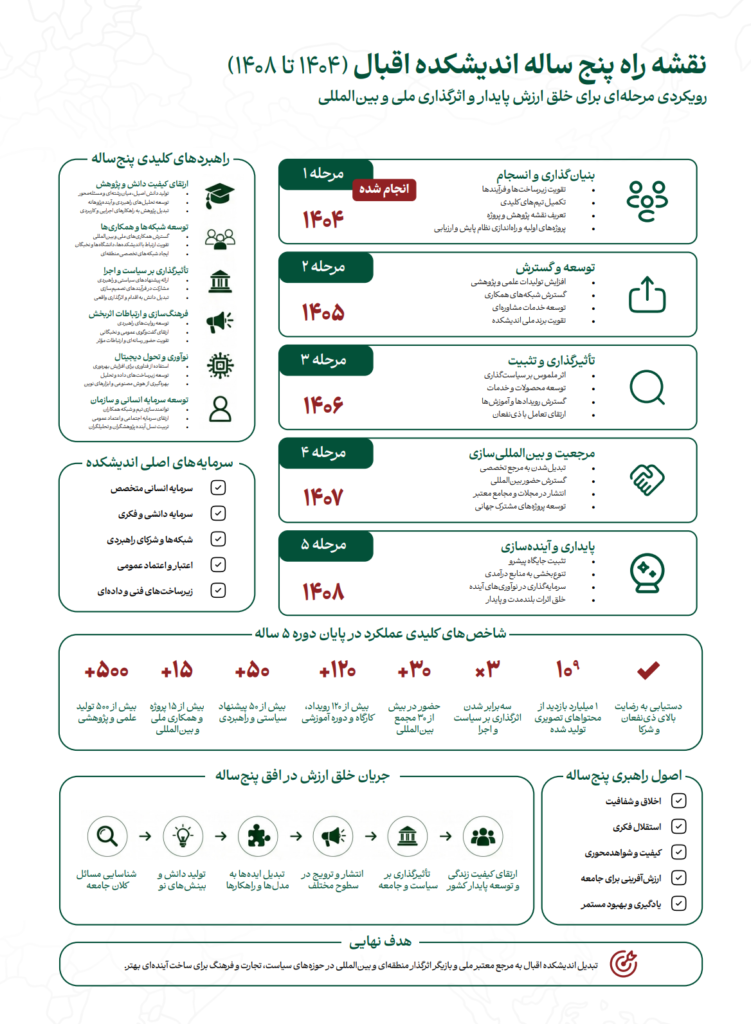
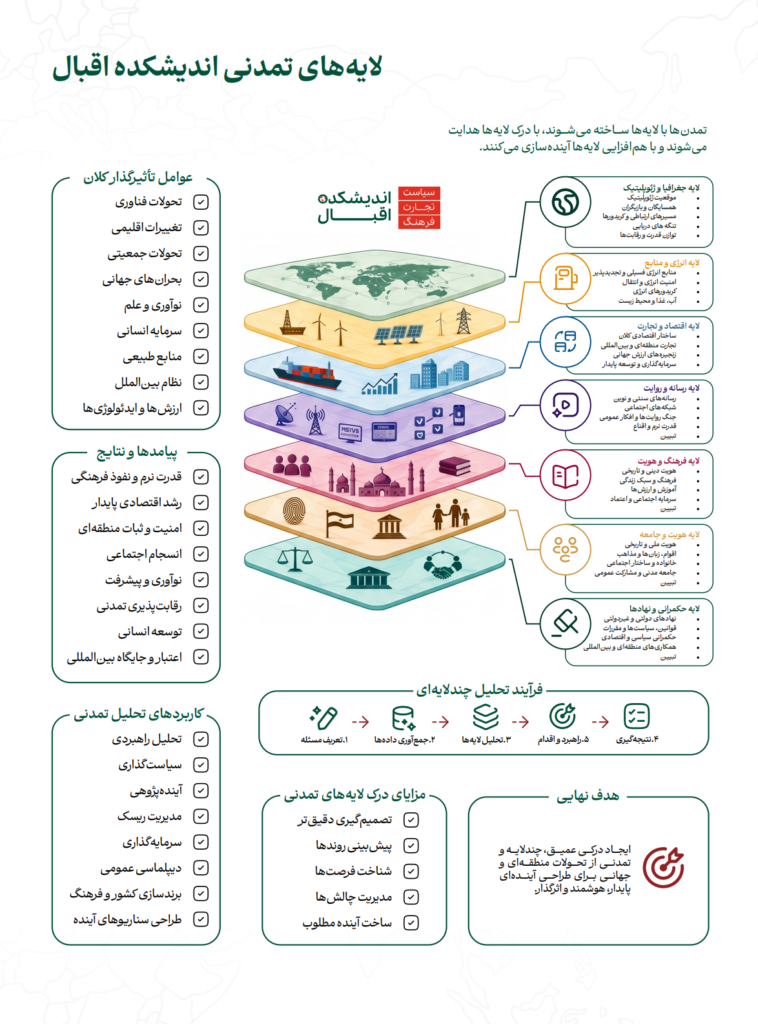
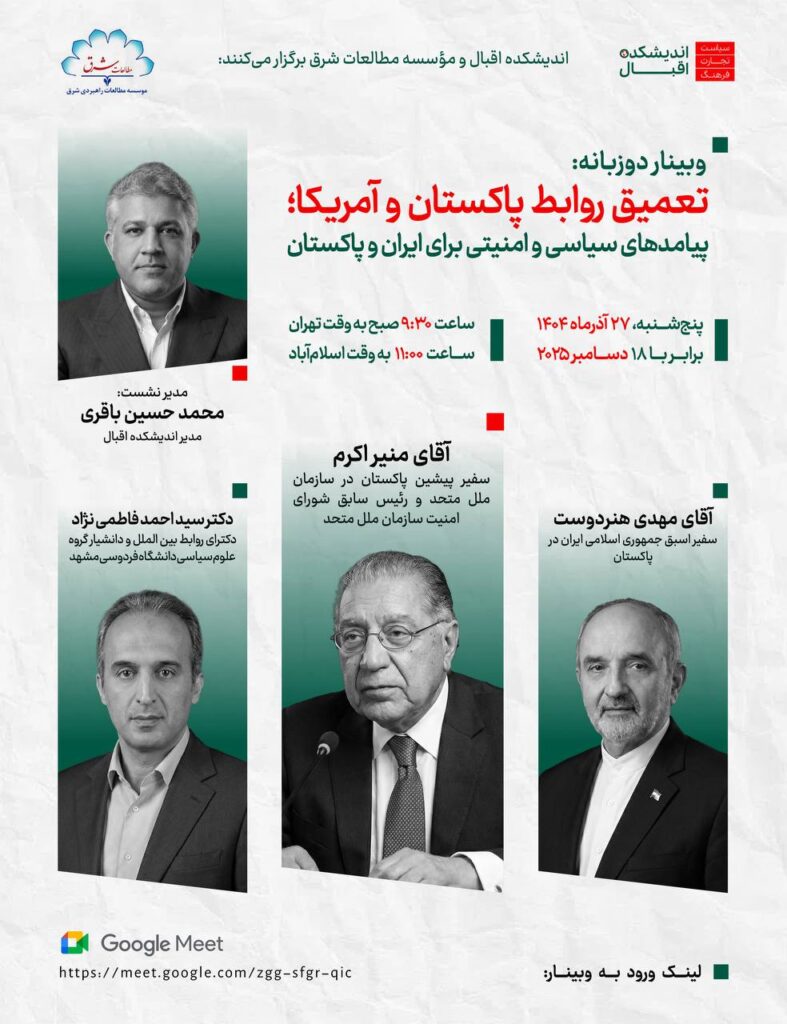
For this reason, iqbalforum has sought to move beyond traditional frameworks and advance toward building a “smart strategic and civilizational ecosystem”; an ecosystem in which thought is linked with media, data is transformed into insight, elites become a living network, and regional cooperation moves from the level of slogans into the realm of reality.
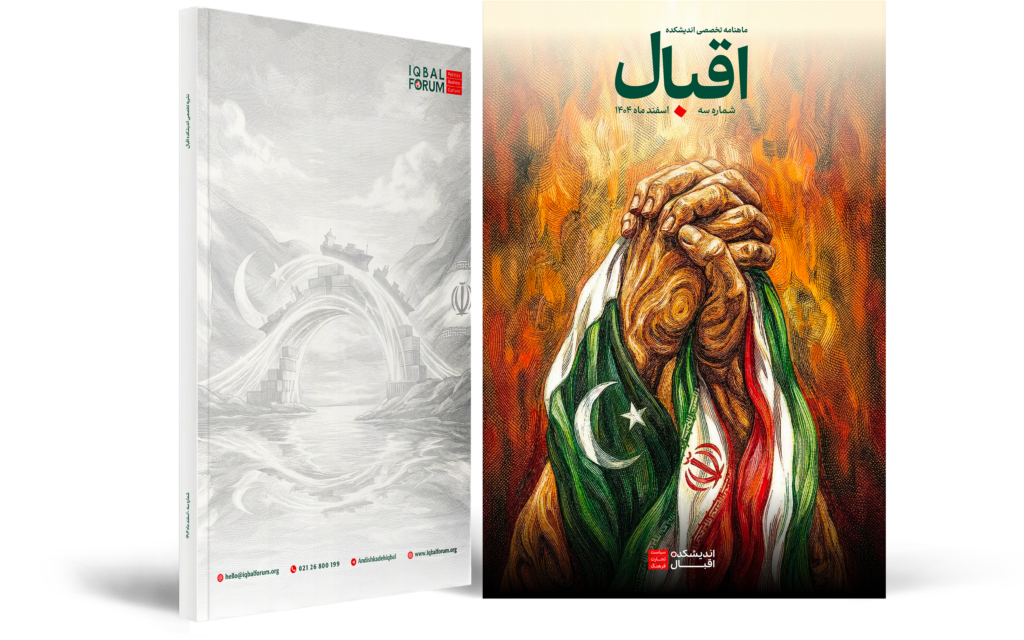
We believe that the future of the region will be built not in isolation, but through connection; not through the exclusion of one another, but through mutual understanding; and not through a war of narratives, but through the creation of deeper, more human, and more civilizational narratives.
Perhaps it is from this very perspective that the name “Iqbal” was chosen for this journey.
Allama Muhammad Iqbal of Lahore, for us, is not merely a poet or a great thinker; rather, he is one of the pioneers of the idea of the “civilizational awakening of the East” and the “convergence of Muslim nations.” Decades before today’s world began moving toward regional and civilizational power blocs, Iqbal spoke of the necessity of reviving the intellectual and historical self-confidence of the nations of the East.
He believed that if Muslim nations could rediscover their intellectual, cultural, and civilizational bonds, they could become a great force in shaping the future of the world.
In Iqbal’s view, the East was not merely a geography; it was a civilizational possibility. A possibility through which nations sharing a common historical memory could once again build a network of understanding, cooperation, dignity, and soft power.
This intellectual horizon can be seen in his famous verse:
If Tehran becomes the Geneva of the Eastern world,
Perhaps the destiny of the Earth may be transformed.
For us, this vision is not merely poetry; it is a horizon for the future of the region. A horizon in which the nations of the region, instead of living on the margins of the global order, become among the architects of the future themselves.
Inspired by this very vision, iqbalforum seeks to play, however modestly, a role in reviving civilizational connections, strengthening regional cooperation, expanding elite dialogue, and building a future based on understanding, synergy, and intelligent cooperation.
We seek to experience a new generation of think tanks; think tanks that do not merely observe developments, but participate in shaping the future; that are not merely analysts, but creators of connections; and that are not merely consumers of data, but producers of understanding and meaning.
Without doubt, this path is not easy. Building institutions is difficult; but building trust is even more difficult. And building a shared civilizational horizon is more difficult than both.
Yet we believe that the nations of the region are far closer to one another than is commonly imagined—if the language of understanding, respect, knowledge, and cooperation can once again be revived.
The pages that follow are not merely an introduction to an institution; they are the story of an effort that seeks to build a lasting bridge between thought and the future.