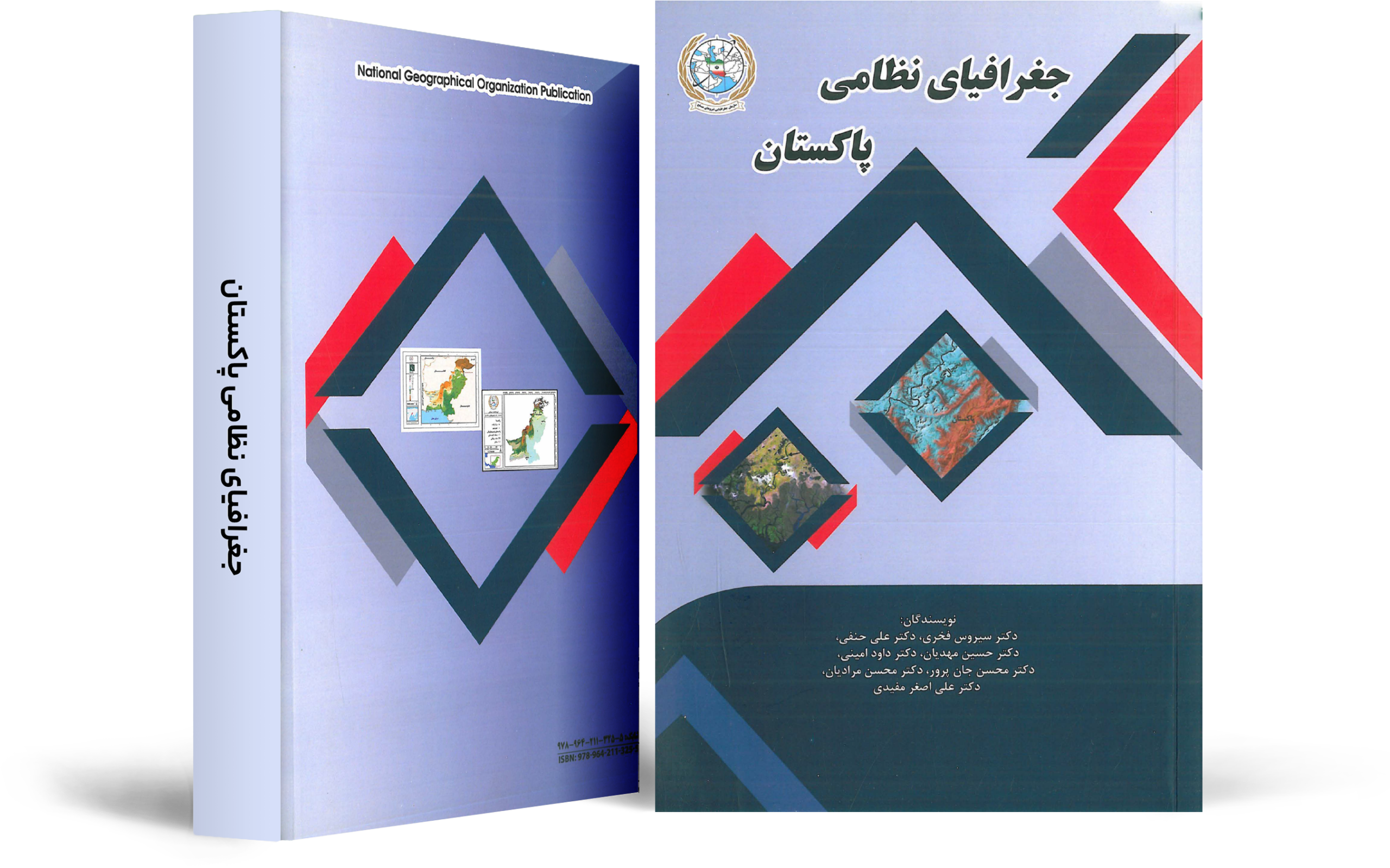
جغرافیای نظامی پاکستان

Book Podcast

Book Profile

Military Geography of Pakistan

جغرافیای نظامی پاکستان

Compiler & Author: Dr. Sirus Fakhri - Dr. Ali Hanafi - Dr. Hossein Mahiban - Dr. Davoud Amini - Dr. Mohsen Janparvar - Dr. Mohsen Moradian - Dr. Ali Asghar Mofidi

This book analyzes the geographical factors influencing Pakistan’s military capability and national security. The authors examine the role of location, borders, terrain, and natural resources in shaping defense strategies. It also discusses regional neighbors and strategic routes. The book provides an analytical perspective on the link between geography and Pakistan’s security framework.


Pages 122
Timeline Stops 10
Book Timeline

Book Timeline

1950 /2022 Era

Long-term demographic trends of Pakistan. Various tables and charts in the source cover this period, tracking metrics like population growth, life expectancy, birth rate, and mortality rate. The importance of this data lies in its foundation for analyses.

1989

This year is noted for the end of the bipolar world and the emergence of racial violence. Its significance as a turning point in the global geopolitical landscape is discussed in the book's preface.

July 23, 2001

Record daily rainfall of 620 mm recorded at Islamabad station. This event is a significant meteorological occurrence cited in the book.

September 11, 2001

The September 11 attacks. The significance of these attacks as a pivotal event that shifted military efforts towards peacekeeping and support operations, thereby increasing the need for geographical knowledge.

Post-2001

The text notes that the number of academic programs offering military geography courses nearly quadrupled after 2001. This is evidence of the growing academic and strategic importance of this field in response to modern global conflicts.

2010

One of the largest floods in Pakistan's history occurred. The devastating impact affected the provinces of Sindh, Punjab, Balochistan, and Khyber Pakhtunkhwa, resulting in over 2,000 deaths and the destruction of more than a million homes.

Late July 2010

The 2010 floods were caused by heavy and unprecedented monsoon rains and the subsequent overflow of the Indus River. Identifying the specific climatic cause of this disaster is crucial.

May 28, 2017

A record temperature of 53.7°C was recorded in Turbat, Balochistan. This temperature is significant as the highest absolute temperature recorded in Pakistan.

August 27, 2020

A record daily rainfall of approximately 223 millimeters was recorded in Karachi.

2022

Pakistan's population exceeded 229,488,994, making it the fifth most populous country in the world. This statistic is a key data point for understanding the country's human and military geography.