


کلیات اقبال

Book Podcast

Book Profile

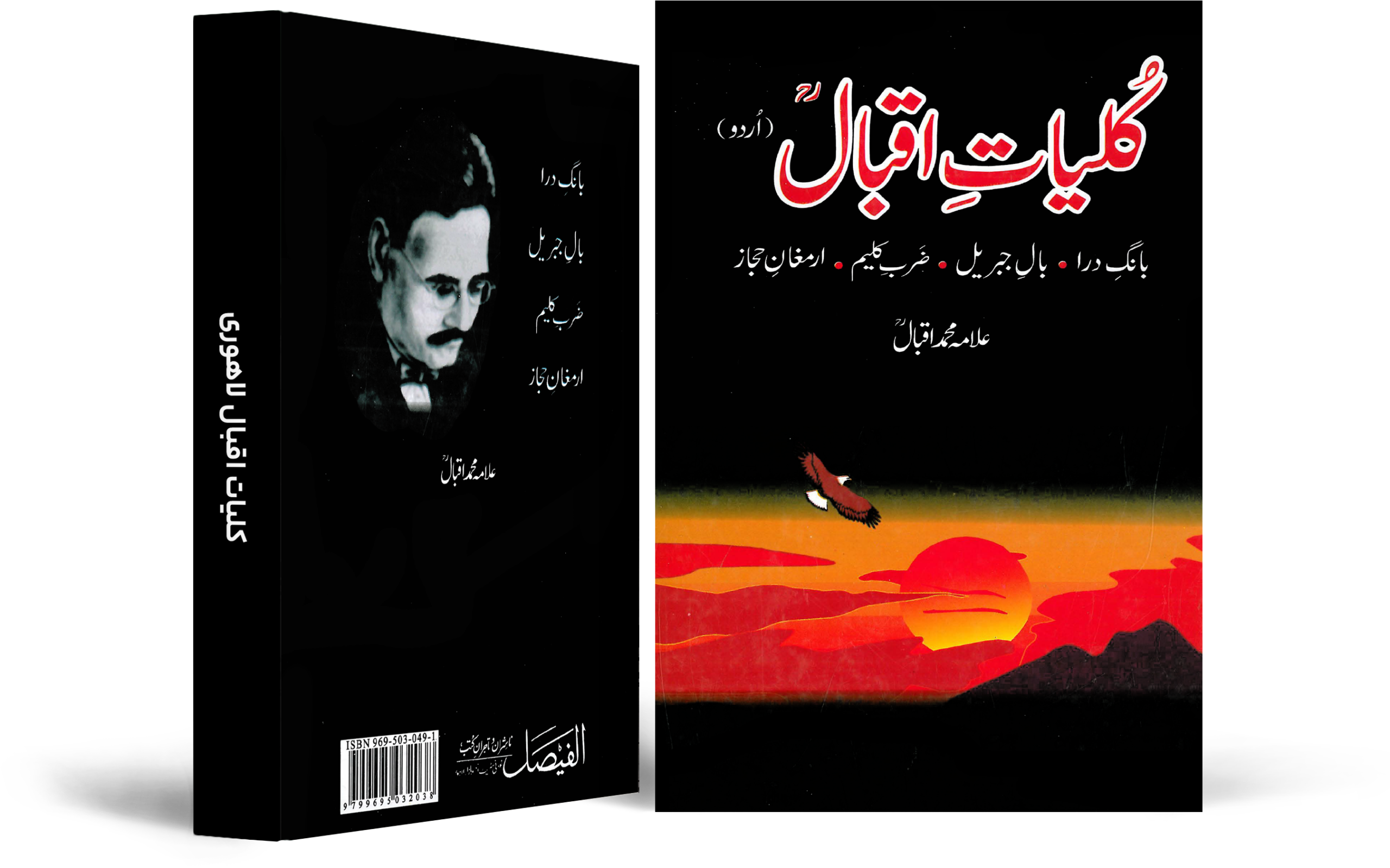
Kulliyat-e-Iqbal

کلیات اقبال

Compiler & Author: Allama Muhammad Iqbal

This volume contains the complete Urdu poetry of Allama Muhammad Iqbal. It includes major works such as Bang-e-Dra, Bal-e-Jibril, Zarb-e-Kalim, and Armaghan-e-Hijaz. Iqbal’s poetry emphasizes themes of selfhood, Islamic revival, freedom, and intellectual awakening. The collection played a significant role in shaping the ideological foundations of Pakistan.

Pages 683
Timeline Stops 6
Book Timeline

Book Timeline

1905

1908: Residence in Europe and studies in Cambridge and Munich. This period marks a turning point in Iqbal's direct encounter with the foundations of Western modernity. Analysis of the consequences shows that witnessing the crises of Western civilization laid the groundwork for his skepticism towards Western nationalism and secularism.

1924

Publication of the collection 'Bang-e-Dra'. This book is the first official call for awakening and symbolizes the movement of Iqbal's caravan of thought. During this period, he moved beyond initial nationalist interests (like the Indian song) towards the global unity of Islam (national song); this work is a beacon.

1931

1932: Participation in the Round Table Conferences in London and travels to Mecca and Afghanistan. These direct political engagements solidified the necessity of forming an independent political identity for Muslims in his mind. The outcome of this event was a transition from philosophical abstraction to presenting concrete models for 'faqih'.

1935

Publication of the collection 'Bal-e-Jibril'. This work, as the pinnacle of Iqbal's spiritual and philosophical maturity, introduces the concept of the 'Mard-e-Momin' and 'Shaheen' as models of the new human standard. The analysis of consequences shows a clear confrontation of 'love' with the Western 'instrumental reason'; Iqbal at this stage.

1936

Publication of the collection 'Zarb-e-Kalim'. Iqbal explicitly called this book a 'declaration of war against the present age'. This work is his intellectual battlefront against secularism, soulless Western science, and intellectual slavery. Its social impact was breaking the intellectual idols of colonialism and clarifying the truth that independence.

1938 - Publication of 'Armaghan-e-Hijaz'

This work, written in Persian and Urdu, is Iqbal's 'spiritual will'. Published posthumously, it bridged Persian and Urdu, reflecting his vision for independence.