


ECO for peace and progress
At its 30th Council of Ministers meeting in Islamabad, the Economic Cooperation Organization (ECO) adopted the Strategic Goals of Economic Cooperation 2035 while backing Pakistan and Qatar’s mediation efforts alongside Iran’s initiative…
AI Analysis
ECO for Peace and Progress Through Regional Cooperation and Economic Integration
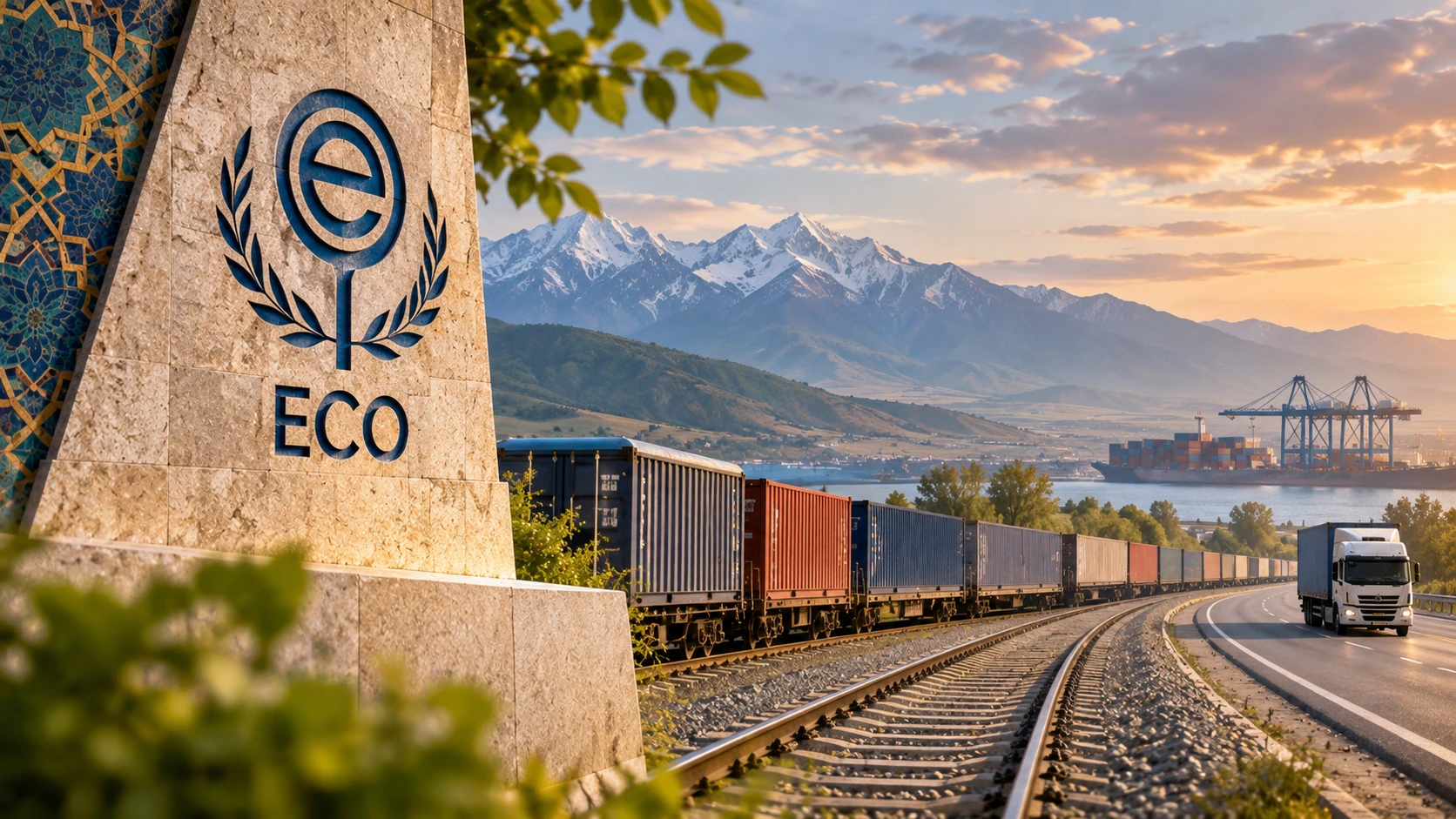
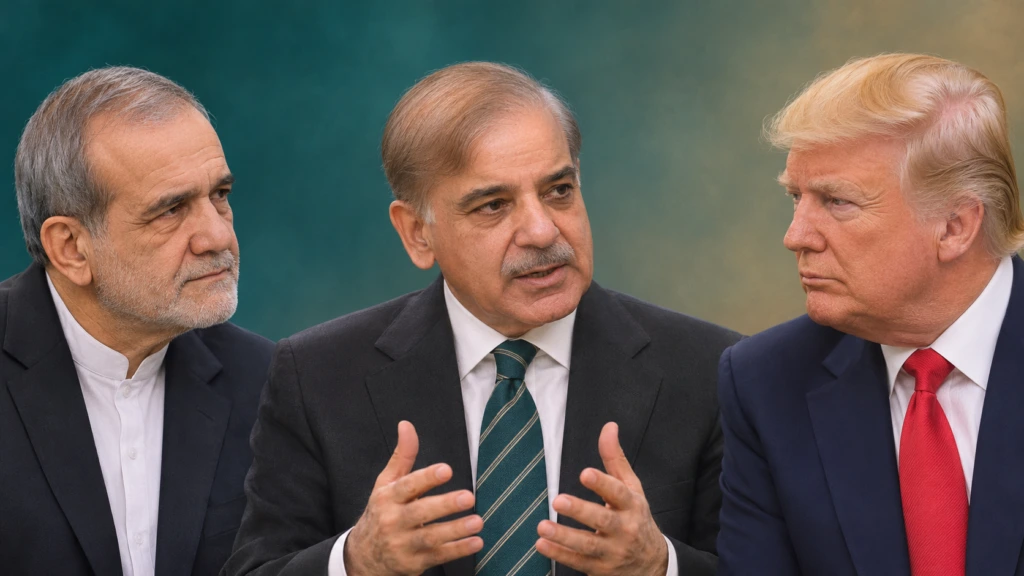
THE Economic Cooperation Organization (ECO) has spoken loudly for regional peace and security as conflicts and tensions have scuttled its ambitious plans for economic integration. The 30th Meeting of the ECO Council of Ministers, held in Islamabad, strongly backed Pakistan and Qatar’s mediation efforts to end the US-Iran war, while expressing support for an Iranian initiative seeking a permanent end to the conflict. Its communiqué, issued after the conclusion of the moot, outlined an extensive agenda for economic integration, trade liberalization, infrastructure development and institutional reforms among ECO member states. The conference unanimously adopted the Strategic Goals of Economic Cooperation 2035 to serve as the organization’s core roadmap for trade, transport and economic integration over the next decade.
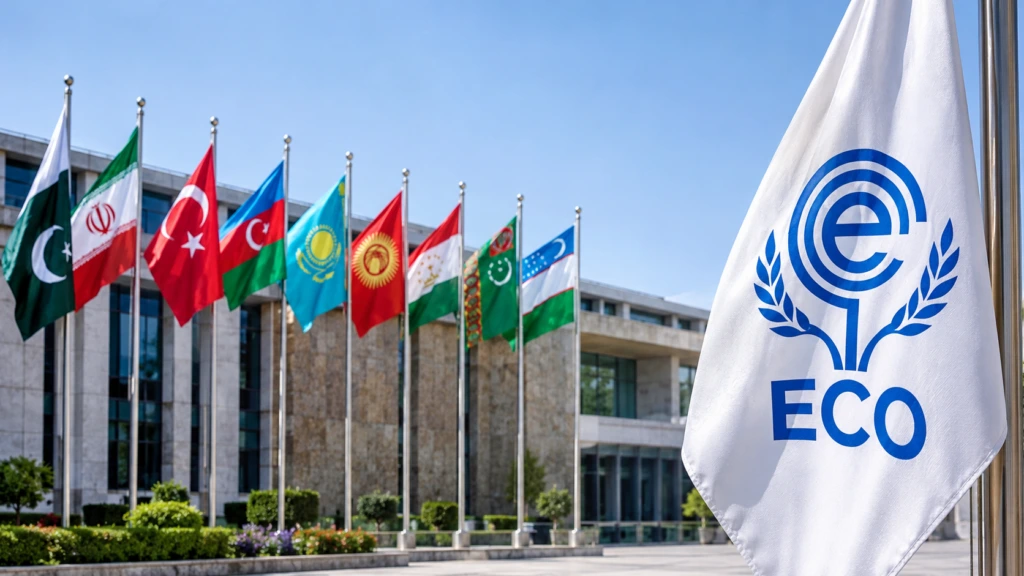
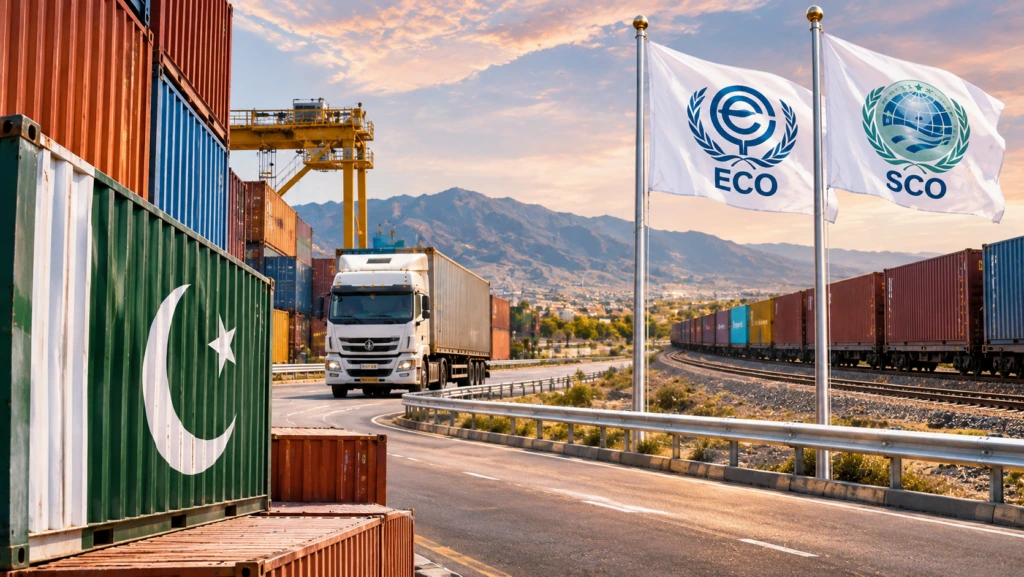
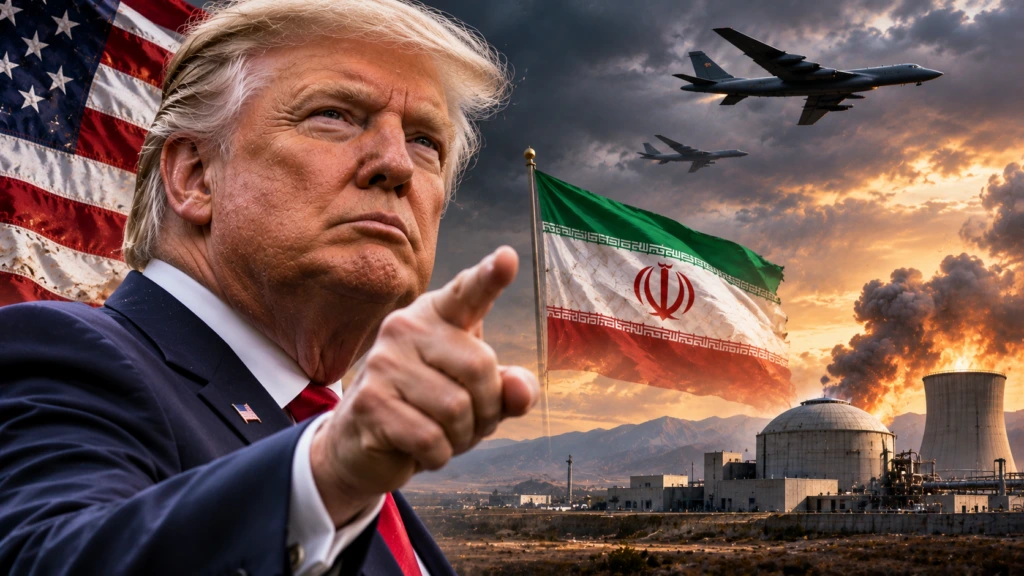
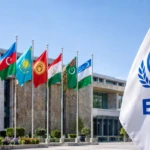
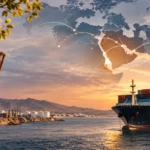
The meeting was held in the backdrop of prolonged conflict triggered by the US and Israeli attack on one of the member states posing serious challenges to the regional security and prospects of economic development. The member states expressed support for the mediation efforts undertaken by Pakistan and Qatar as well as Iran’s recent initiative aimed at achieving a dignified resolution of the conflict and ensuring the complete and permanent termination of the current war. The call assumes greater significance as the state of no war, no peace has created enormous confusion about the end game due to extreme positions adopted by the warring sides. It is, however, a foregone conclusion that there is no military solution to the conflict and differences should be sorted out through restraint, dialogue and diplomatic engagement. The communiqué also rejected unilateral coercive measures, sanctions and economic pressures, saying their extraterritorial economic, technological, financial and trade impacts were contrary to the principles of the United Nations Charter and international law. The ECO comprising 10 member states (Pakistan, Iran, Türkiye, Afghanistan, Azerbaijan, Kazakhstan, Kyrgyzstan, Tajikistan, Turkmenistan, and Uzbekistan) holds massive, yet largely underutilized, strategic and economic potential. The bloc covers roughly eight million square kilometers with a population of over 460 million people and a nominal GDP of around $3 trillion. The region possesses vital energy reserves, accounting for significant portions of global crude oil and natural gas, alongside rich agricultural land and mineral wealth. Analysts say Western sanctions on Iran, regional instability and internal security challenges across parts of the bloc have historically hampered seamless economic integration. Pakistan, a founding member of the organization, has throughout been emphasizing the need for practical implementation of the plan and projects envisaged under the framework of the ECO to help address the challenges facing member states. It has been underlining the need to operationalize trade agreements, enhance multimodal transport corridors and promote joint initiatives like designating Lahore as the ECO Tourism Capital for 2027. This aspect was highlighted by Prime Minister Shehbaz Sharif as well, who, during a meeting with the delegates to the meeting, called for result-oriented initiatives that would deliver tangible benefits to the people of the region. He reiterated Pakistan’s commitment to enhancing regional connectivity through road, rail and multimodal transport corridors, including linkages with the ports of Karachi, Port Qasim and Gwadar, to facilitate access to regional and international markets, particularly for landlocked ECO member states. It is rightly pointed out that although the ECO region represents about 16% of the world’s population, it generates only a tiny fraction of global and intra-regional trade due to tariff barriers, poor implementation of preferential trade agreements (ECOTA) and logistical bottlenecks. These issues need to be addressed on a priority basis to give a boost to intra-ECO trade and investment. During the Islamabad meeting, the member states backed the establishment of joint trade zones, cross-border business cooperation, regional manufacturing enterprises and value chains, alongside measures to simplify customs procedures and promote e-commerce. However, they should explore ways and means to accelerate the pace of physical implementation of the commitments and plans.
Editor’s Note: This article was originally published in "Pakistan Observer", Pakistan, and has been republished on the Iqbal Forum website with attribution to the original author and publication. The views expressed are solely those of the author and do not necessarily reflect the position of Iqbal Forum.
About the Author

Editor Pakistan observer
This profile is listed under the name “Editor Pakistan Observer.” The available data does not provide further details about this author's life, works, or background.
Profile and all publicationsHow to Cite This Article
observer, Editor Pakistan. “ECO for peace and progress.” Iqbal Forum, November 18, 2026. https://iqbalforum.org/en/?p=56283.

Comments