



From the Brink of Conflict to Diplomacy: Jalil Abbas Jilani Recounts 13 Defining Days Between Tehran and Islamabad
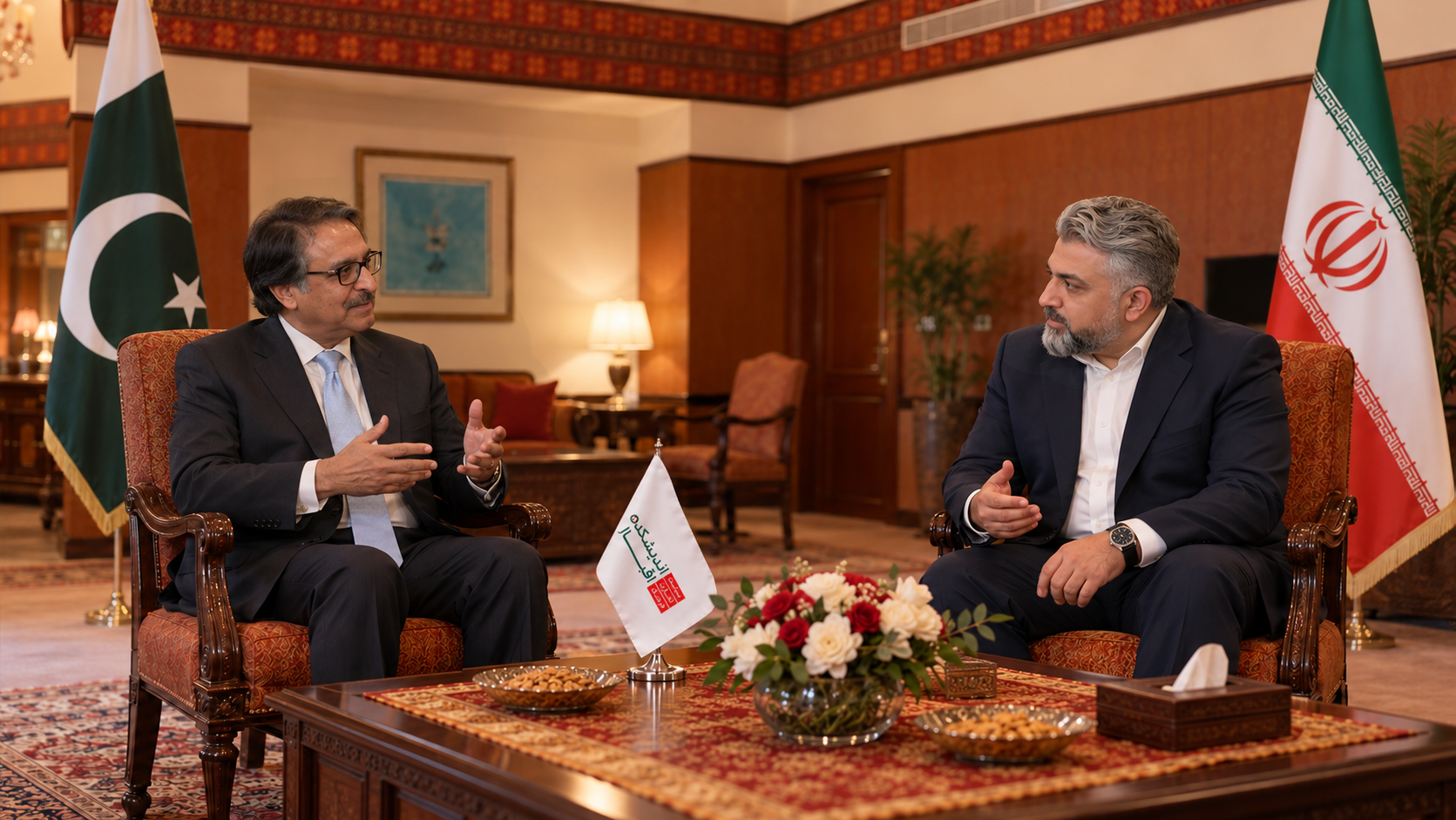
In an exclusive interview with Muhammad Hussain Baqeri, Pakistan’s former Foreign Minister reflects on the January 2024 crisis, the pivotal role of Hossein Amir-Abdollahian, and how two neighbouring nations turned a military…
AI Analysis
In an exclusive interview with Muhammad Hussain Baqeri, Pakistan’s former Foreign Minister reflects on the January 2024 crisis, the pivotal role of Hossein Amir-Abdollahian, and how two neighbouring nations turned a military confrontation into an opportunity for renewed cooperation.
Introduction: A Diplomat at the Heart of the Crisis
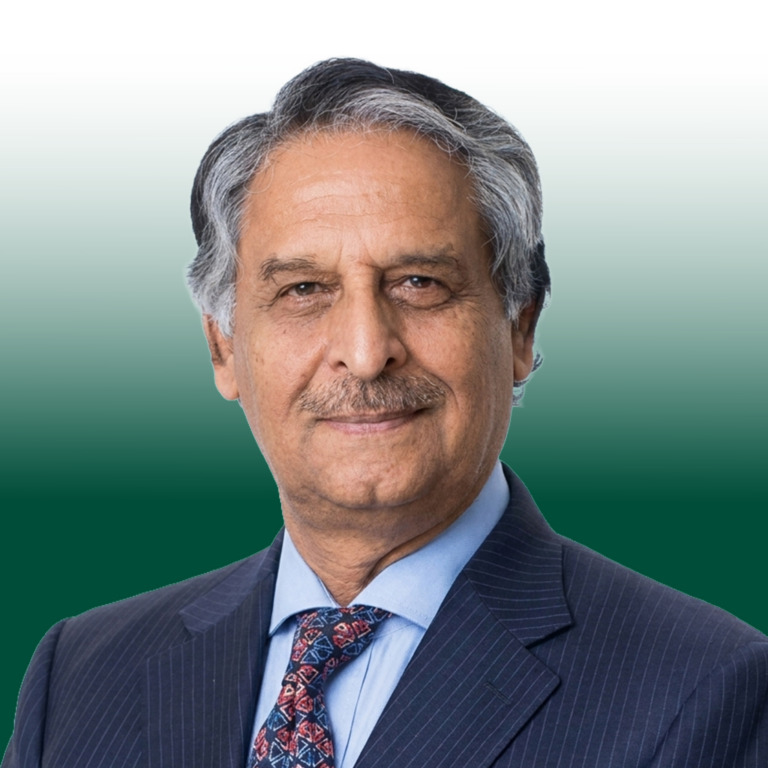
Jalil Abbas Jilani is among Pakistan’s most distinguished and seasoned diplomats. Over several decades of public service, he has held some of the country’s highest diplomatic offices and played an influential role in managing Islamabad’s relations with major powers and regional partners.
His distinguished career includes serving as Foreign Secretary of Pakistan, Ambassador to the United States, and High Commissioner to Australia. Throughout these assignments, he participated in significant foreign policy deliberations and negotiations that helped shape Pakistan’s engagement with the international community.
In August 2023, Jilani was appointed Foreign Minister in Pakistan’s caretaker government, a position he held until March 2024. It was during this tenure that one of the most sensitive episodes in the modern history of Pakistan-Iran relations unfolded.
Jilani’s significance in Pakistan’s foreign policy establishment extends beyond the senior offices he has occupied. He belongs to a generation of professional diplomats whose experience encompasses negotiations with global powers, the management of regional disputes, and an intimate understanding of Pakistan’s political and security decision-making structures.
His position at the helm of Pakistani diplomacy in January 2024 placed him at the centre of an extraordinary crisis between Tehran and Islamabad, giving him a unique perspective on how the confrontation unfolded and, more importantly, how it was brought under control.
On January 16, 2024, Iran launched missile strikes against positions it identified as belonging to Takfiri terrorist groups in Pakistan’s Balochistan province. The operation triggered an unprecedented crisis between the two neighbours. Two days later, on January 18, Pakistan carried out retaliatory strikes against targets inside Iran’s Sistan and Baluchestan province.
The exchange of military strikes, violations of each other’s territorial sovereignty, and fierce political and media reactions raised fears that relations between the two countries could descend into a prolonged period of hostility.
Much of the international media’s coverage focused almost exclusively on those first 48 hours — two days in which neighbouring countries bound by deep historical and cultural ties found themselves engaged in direct military confrontation.
Yet perhaps the most remarkable part of the story was not how the crisis began, but how it ended.
While comparable confrontations often lead to severed diplomatic relations, escalating retaliation, and deepening mistrust, Tehran and Islamabad chose a different course.
Even at the most difficult moments, channels of communication remained open. The two foreign ministers spoke directly, while political and security decision-makers on both sides opted for de-escalation rather than a wider confrontation.
On January 29, 2024, just 13 days after the initial strikes, the late Iranian Foreign Minister Hossein Amir-Abdollahian travelled to Islamabad. His visit did more than symbolise the restoration of diplomatic engagement; it also laid the groundwork for stronger security coordination and border cooperation between the two countries.
Jalil Abbas Jilani was one of the central figures in this process. From the moment he learned of the Iranian strikes to his direct conversations with Amir-Abdollahian, Pakistan’s decision to respond militarily, and the intensive diplomatic efforts that followed, he was personally involved in managing the crisis.
In this exclusive interview with Iqbal Forum Monthly, Jilani offers an account of developments that received far less attention than the military confrontation itself: the importance of personal trust between the two foreign ministers, coordination among political and military institutions, the necessity of keeping diplomatic channels open, and the transformation of a dangerous confrontation into an opportunity to rebuild confidence and strengthen bilateral cooperation.
More than a retrospective account of a historic episode, this interview explores a potential model for crisis diplomacy — one with lessons extending well beyond Pakistan and Iran to other countries confronting serious disputes across the region.
The Interview
-
 Ambassador Jilani, let us begin with one of the most difficult moments of your tenure as Foreign Minister. In January 2024, Iran and Pakistan carried out strikes inside each other’s territory within less than 48 hours. What was your initial assessment when you first learned of the Iranian attack?
 The Iranian missile strike in Pakistan’s Balochistan province on January 16, 2024, came as a profound shock. It was met with anger and disbelief in Pakistan, particularly because our two countries share deep historical, cultural, linguistic, religious, and political ties.
Iran was the first country to recognise Pakistan following its independence in 1947, while Pakistan was among the first countries to recognise the Islamic Republic following the Iranian Revolution.
Over the decades, Pakistan and Iran have developed considerable common ground on regional and international issues and have frequently coordinated their positions in international forums.
Pakistan has also represented Iran’s interests in Washington for many years, a responsibility we have carried out with pride. Pakistan has stood by Iran during difficult times, just as the government and people of Pakistan remain grateful for Iran’s support for Pakistan’s position on the Kashmir dispute with India.
I was in Kampala to attend the Non-Aligned Movement Summit when I learned of the Iranian missile strikes in Balochistan.
I immediately contacted the late Hossein Amir-Abdollahian, Iran’s Foreign Minister, and conveyed that the attack constituted a serious violation of Pakistan’s sovereignty and international law.
At the same time, I emphasised that terrorism was a common threat to both countries and that confronting it required coordinated action rather than unilateral measures.
Mr Amir-Abdollahian expressed regret over the incident and told me that the action taken by a local border commander had not been authorised at the highest political or military levels in Iran.
- Pakistan responded militarily on January 18. How did you distinguish between the imperative of defending Pakistan’s sovereignty and the need to prevent that response from becoming the beginning of a wider war?
For Pakistan, the decision to undertake military action against a brotherly country was both difficult and painful.
Nevertheless, the government had a responsibility to demonstrate that Pakistan’s sovereignty and territorial integrity were not negotiable.
Pakistan’s retaliatory strikes on January 18, 2024, against targets associated with armed groups in Iran’s Sistan and Baluchestan province were carefully planned and precisely executed.
Their purpose was to reaffirm Pakistan’s commitment to defending its sovereignty and to convey a clear message: the fundamental principle of sovereign equality among states must be respected.
At the same time, Pakistan made it abundantly clear that it respected Iran’s sovereignty, remained committed to dialogue, and continued to regard terrorism as a shared threat requiring bilateral cooperation.
What happened afterwards was perhaps even more significant than the exchange of military strikes itself.
The rapid de-escalation, restoration of diplomatic engagement, and establishment of mechanisms to combat terrorism demonstrated that Pakistan’s objective had never been confrontation with Iran.
Our purpose was to reaffirm a fundamental principle: even the closest bilateral relationships must rest upon mutual respect for national sovereignty.
- Shortly after the exchange of strikes, you and Hossein Amir-Abdollahian moved towards de-escalation. What made it possible to change the course of the crisis so quickly during those decisive hours and days?
During my tenure as Pakistan’s Foreign Minister, I interacted with the late Hossein Amir-Abdollahian on numerous occasions, including meetings of the Organisation of Islamic Cooperation and on the sidelines of the United Nations General Assembly.
Over time, we developed mutual respect and trust. We spoke regularly over the telephone and were able to discuss sensitive matters with considerable candour.
That personal relationship proved particularly valuable during the January 2024 crisis.
We shared the understanding that differences between our countries, however serious, should never be allowed to undermine the broader relationship between Pakistan and Iran.
This understanding played an important role in preventing further escalation.
Throughout the crisis, neither Pakistan nor Iran regarded the exchange of military strikes as the beginning of a permanent rupture.
Neither side defined the other as an enemy.
Even at the height of tensions, channels of communication remained open.
- You spoke directly with Hossein Amir-Abdollahian during those critical days and subsequently hosted him in Islamabad. Now that he is no longer with us, how do you remember his personal role in containing the crisis?
I will always remember Hossein Amir-Abdollahian as an experienced and pragmatic diplomat.
He possessed a distinctive combination of warmth, maturity, political conviction, and diplomatic skill.
His ability to sustain dialogue in the midst of a crisis was particularly valuable.
At a moment when relations could easily have deteriorated further, we managed to preserve direct channels of communication and prevent mistrust from turning into confrontation.
Whatever differences might arise between our governments, he clearly understood the enduring importance of Pakistan-Iran relations and the value of dialogue, mutual respect, and good neighbourliness.
His untimely passing in May 2024 was a loss to Iranian diplomacy and, for me personally, the loss of a friend.
We often addressed each other as “My dear brother.”
That personal bond was more than a diplomatic courtesy.
When our two countries faced a genuine crisis, it helped keep the door to dialogue open at precisely the moment when mistrust might otherwise have prevailed.
- To what extent does crisis diplomacy depend upon personal relationships between decision-makers? Without the direct communication and mutual trust you shared with Amir-Abdollahian, could the crisis have taken a different course?
Personal trust cannot replace institutions, but during moments of crisis, it can significantly enhance their effectiveness.
Following the exchange of strikes, we held several telephone conversations, and I invited the Iranian Foreign Minister to visit Pakistan.
He accepted the invitation and arrived in Pakistan on January 29, 2024, less than two weeks after the initial attack.
He was received with the respect and dignity befitting the Foreign Minister of a brotherly country.
There were no hostile exchanges between us.
Rather than becoming entangled in mutual recriminations over the crisis, both sides decided to look towards the future.
The events of January were treated as a serious departure from the normal course of our relationship — an episode that we were determined not to allow to define the character of our bilateral ties.
- What enabled de-escalation to take place with such remarkable speed, allowing the two countries to move from military confrontation back to dialogue?
I strongly believe that the manner in which Pakistan and Iran transformed the January 2024 crisis into an opportunity for greater cooperation offers lessons extending far beyond our bilateral relationship.
Pakistan and Iran were able to contain their differences and restore normal relations within a remarkably short period because both sides recognised one fundamental reality: there is no alternative to dialogue.
Even when relations between two countries reach their most difficult point, abandoning communication cannot be the answer.
Military power may sometimes be necessary to defend sovereignty and national security, but military power alone cannot resolve political differences.
Ultimately, disagreements must return to the negotiating table.
What such circumstances demand is statesmanship — the ability to rise above the emotions of an immediate crisis and recognise the larger interests of one’s country and the wider region.
In January 2024, the political and military leadership of both Pakistan and Iran demonstrated precisely that capacity.
Throughout our efforts to reduce tensions, we enjoyed the full support of the relevant institutions and stakeholders in both countries.
That political and institutional backing was indispensable to the success of diplomacy.
- If the January 2024 experience were to serve as a model for crisis management between neighbouring countries, what would you identify as its most important lessons?
The first lesson is the importance of maintaining communication, particularly during periods of heightened tension.
Diplomatic channels are most valuable precisely when relations are at their most difficult.
Closing those channels in the midst of a crisis deprives governments of the very instruments needed to prevent misunderstandings and further escalation.
The second lesson concerns the value of direct communication between political leaders and senior officials.
During the January crisis, direct contact between the two foreign ministers enabled both sides to convey their concerns, explain their intentions, and identify a path towards de-escalation without unnecessary intermediaries.
Personal trust is no substitute for institutions, but it can make those institutions considerably more effective during moments of crisis.
The third lesson is the importance of political consensus.
Crisis diplomacy cannot succeed without the support of a country’s principal political, diplomatic, and security institutions.
Once a decision is made to reduce tensions, all relevant institutions must work towards the same objective.
The fourth lesson is the necessity of flexibility.
Statesmanship requires the ability to distinguish between fundamental national interests and positions that can be adjusted in pursuit of a larger objective.
Rigid approaches rarely produce lasting solutions.
Sustainable diplomatic outcomes become more likely when both sides are prepared to acknowledge and, wherever possible, accommodate each other’s legitimate concerns.
Finally, shared security challenges between neighbouring countries require institutionalised cooperation.
Terrorism, the activities of armed groups, smuggling, and instability in border regions cannot be effectively addressed through isolated or unilateral actions.
These challenges demand sustained communication, intelligence cooperation, effective border mechanisms, and the political will to prevent non-state actors from undermining relations between sovereign states.
- Were the lessons of the January crisis sufficiently translated into practical and institutional mechanisms between Iran and Pakistan?
Following the crisis, we agreed on the need to strengthen bilateral relations through regular high-level exchanges and improved coordination in addressing shared security challenges.
A joint mechanism was established to counter the common threat of terrorism, while arrangements were also made for closer communication and coordination along the border.
These measures reflected an important shared understanding: terrorists operating in difficult border regions cannot be effectively confronted through unilateral action alone.
Addressing such threats requires intelligence-sharing, sustained communication, institutional coordination, and mutual trust.
The January crisis demonstrated that both countries have serious security concerns, but that even after an extremely dangerous confrontation, dialogue can prevail over continued hostility.
Direct communication between the foreign ministers, the strengthening of diplomatic channels, and the renewed emphasis on cooperation against terrorism underscored the importance of keeping diplomacy alive even when bilateral relations are under severe strain.
- Do Iran and Pakistan need a permanent mechanism for intelligence-sharing, threat verification, and coordinated action to reduce the risk of unilateral military operations in the future?
The January experience clearly demonstrated the importance of precisely such institutionalised cooperation.
Terrorists operating in difficult border regions cannot be effectively confronted through unilateral action by either country.
Addressing these threats requires intelligence-sharing, sustained communication, institutional coordination, and mutual trust.
It was this recognition that led, following the crisis, to the establishment of a joint mechanism to counter the threat of terrorism and arrangements for closer communication and coordination in border areas.
- What has nearly four decades of diplomatic experience taught you about managing relations with neighbouring countries? During moments of crisis, how can political differences be prevented from developing into lasting confrontation?
The experience of the Pakistan-Iran crisis carries lessons for South Asia, including relations between Pakistan and India, as well as for the Gulf and the wider West Asian region.
Many of the disputes confronting our region are political rather than ideological in nature.
Political differences, however difficult, should not automatically be regarded as irreconcilable.
Even when relations between two countries reach their lowest point, severing communication is not the answer.
Military power may sometimes be necessary to defend sovereignty and national security, but it cannot, by itself, resolve political disputes.
Ultimately, disagreements must return to the negotiating table.
The approach adopted by Pakistan and Iran during the 2024 crisis helped restore confidence and cooperation between the two countries.
Direct contact between the foreign ministers, the reopening and strengthening of diplomatic channels, and the subsequent emphasis on counterterrorism cooperation demonstrated that diplomacy must remain alive even when relations are under intense pressure.
The fundamental principle remains unchanged: shared security challenges between neighbouring countries require institutionalised cooperation.
Regular communication, intelligence cooperation, border mechanisms, and the political will to prevent non-state actors from influencing relations between governments are essential elements of such preparedness.
Pakistan subsequently played an important role in efforts to reduce tensions between Iran and the United States in 2025 and has continued to pursue a mediatory role during the conflict that began in February 2026.
About the Author
How to Cite This Article
Jilani, Jalil Abbas. “From the Brink of Conflict to Diplomacy: Jalil Abbas Jilani Recounts 13 Defining Days Between Tehran and Islamabad.” Iqbal Forum, October 27, 2026. https://iqbalforum.org/en/?p=53098.

Comments