


Yalda/Chella
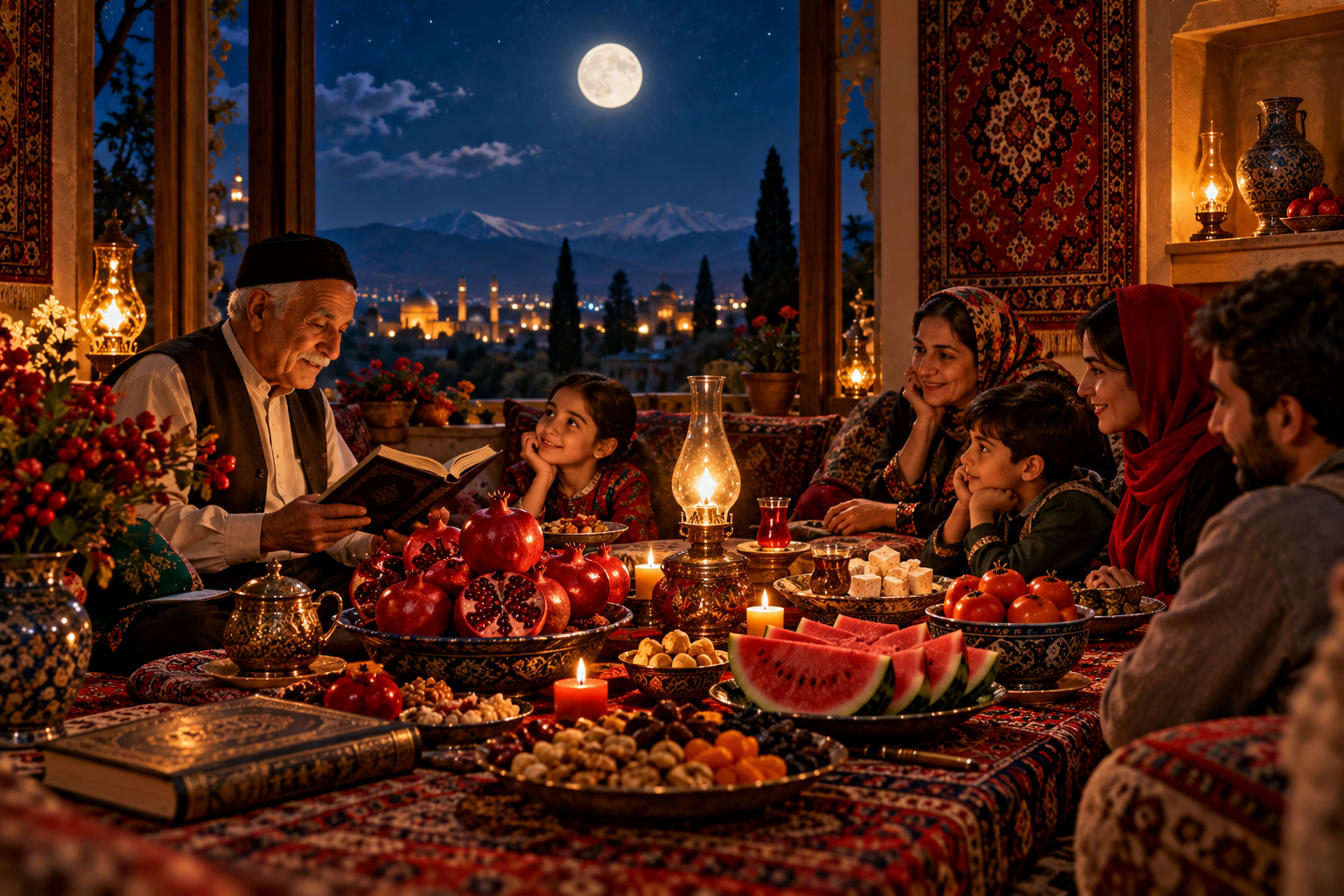
Celebrated on the last night of autumn, Yalda is considered to be the longest night of a year. During the Yaldā/Chella night, People in Iran and Afghanistan typically gather around a table…
AI Analysis
As a multicultural nomination file, Yaldā/Chella was inscribed on the UNESCO Representative List of Intangible Cultural Heritage of Humanity, during the 17th Session of Intergovernmental Committee for the Safeguarding of the Intangible Cultural Heritage.
The session was held in Rabat, the capital of Moroco, between November 28- December 3, 2022. Accordingly, the number of Iran’s cultural elements inscribed on lists of Intangible Cultural Heritage reached 19.
Yaldā/Chella is an extremely popular traditional celebration of the sun and the warmth of life among Iranians.
Celebrated on the last night of autumn, Yalda is considered to be the longest night of a year. During the Yaldā/Chella night, People in Iran and Afghanistan typically gather around a table at the houses of their elders, which is deliberately adorned with some symbolic foods and objects.
It consists of a lamp symbolizing the light, water to indicate cleanliness, and fruits like pomegranates, watermelons, beetroots, jujube and grapes, which are usually red, in order to symbolize warmth. In addition, they set some Broth, sweets, dried fruits and nuts on the table to be used by the families during their gathering.
Storytelling, playing games and traditional musical instruments, reciting poetry and presenting gifts are among the most significant activities for the occasion.
Celebrating Yalda night represents Iranians’ respect for their cultural identity, nature, women, friendship, cultural diversity, hospitality and living in peace against all differences.
The culture of celebrating Yalda and its deep meaning for Iran and Afghanistan people are transmitted within families, while the media has played a main role in recent years in its recognition.
Yaldā Night was previously inscribed on the National Heritage List in 2008.
However, the recent file, “Yaldā/Chella”, was submitted with Afghanistan.
It should also be mentioned that seventeen items from Iran, or as multicultural files, had already gained the same UNESCO status, including:
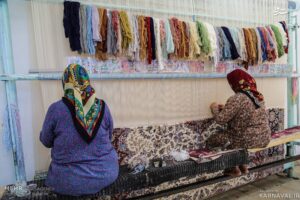
Traditional skills of carpet weaving in Kashan (2010)
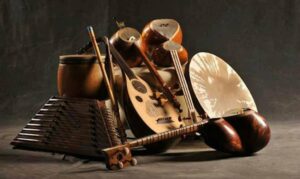
Radif of Iranian music (2009)
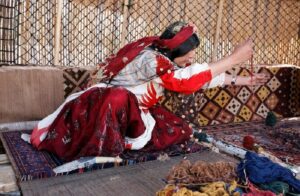
Traditional skills of carpet weaving in Fars (2010)
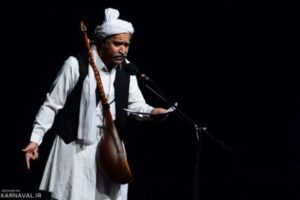
Music of the Bakhshis of Khorasan (2010)
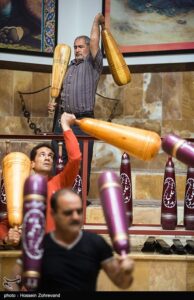
Pahlevani and Zoorkhanei rituals (2010)
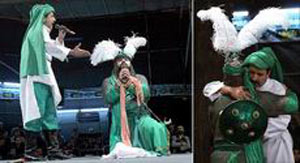
Ritual dramatic art of Ta‘zīye (2010)
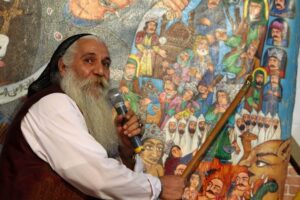
Naqqāli, Iranian dramatic story-telling (2011)
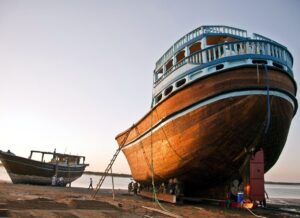
Traditional skills of building and sailing Iranian Lenj boats in the Persian Gulf (2011)
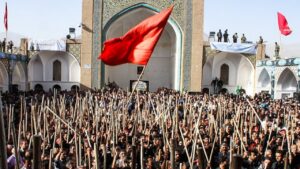
Qālišuyān rituals of Mašhad-e Ardehāl in Kāšān (2012)
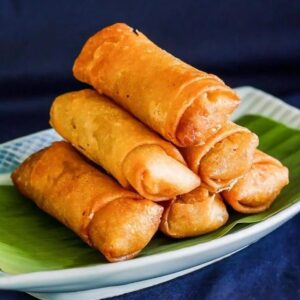
Flatbread making and sharing culture: Lavash, Katyrma, Jupka, Yufka (2016)
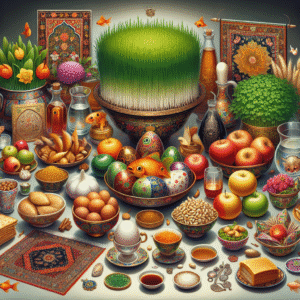
Nawrouz, Novruz, Nowrouz, Nowrouz, Nawrouz, Nauryz, Nooruz, Nowruz, Navruz, Nevruz, Nowruz, Navruz (2016)
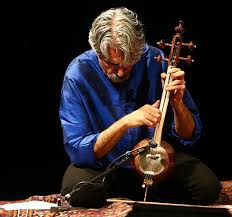
Art of crafting and playing with Kamantcheh/Kamancha, a bowed string musical instrument (2017)
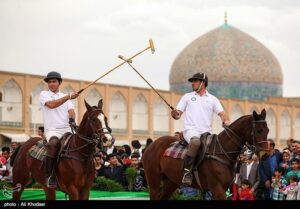
Chogān, a horse-riding game accompanied by music and storytelling (2017)
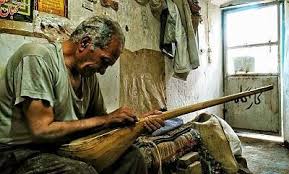
Traditional skills of crafting and playing Dotār (2019)
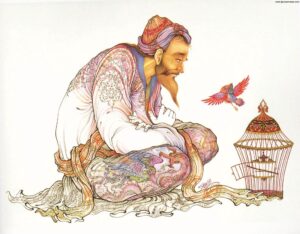
Art of miniature (2020)
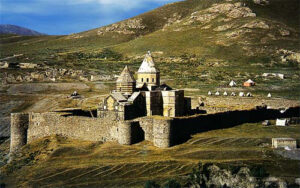
Pilgrimage to the St. Thaddeus Apostle Monastery (2020)
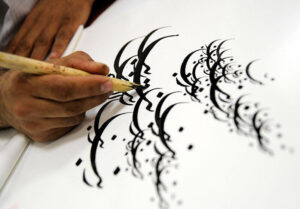
and the National program to safeguard the traditional art of calligraphy in Iran (2021)
About the Author
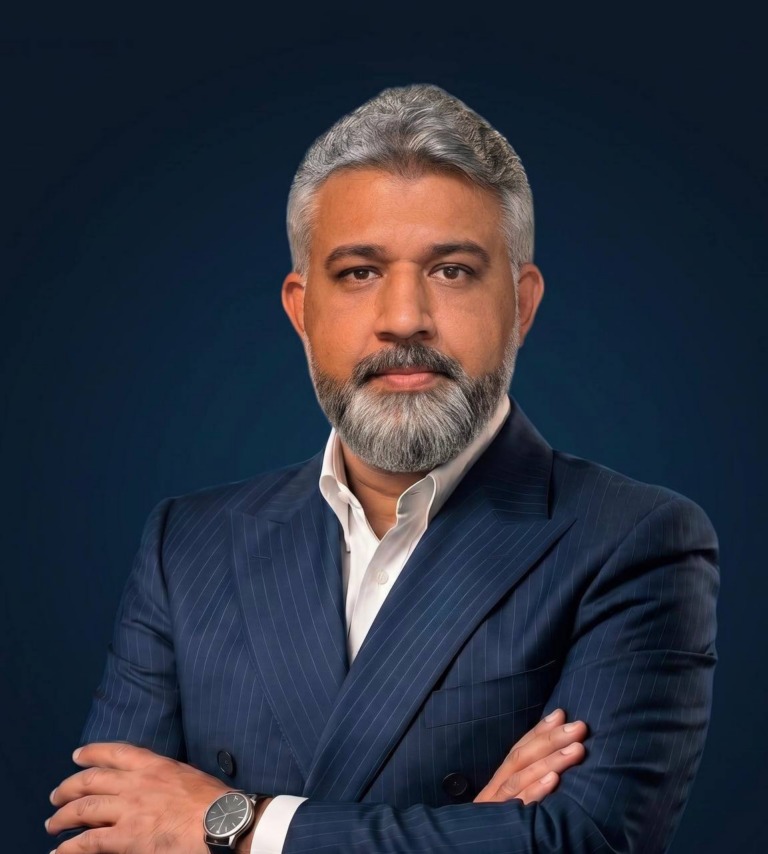
Muhammad Hussain Baqeri
Founder & Director, Iqbal Forum
Muhammad Hussain Baqeri is the founder and director of Iqbal Forum, a Tehran-based think tank focused on Iran–Pakistan relations, which began its work in March 2023. Baqeri's work covers Iran–Pakistan relations, South Asian affairs, regional connectivity and strategic communication. Baqeri appears regularly as an analyst on Pakistani television, including ARY News, Geo News, Hum News and 24 News, and has led the Forum's engagement with Pakistani think tanks, universities and…
- Iran–Pakistan Relations
- South Asia
- Regional Connectivity
- Strategic Communication
How to Cite This Article
Baqeri, Muhammad Hussain. “Yalda/Chella.” Iqbal Forum, December 25, 2024. https://iqbalforum.org/en/?p=23294.

Comments