



War and Pakistan’s Efforts for Peace
Amid rising Middle East tensions and surging global oil prices, Pakistan is actively leveraging its diplomatic channels with Saudi Arabia, Iran, the United States, and regional actors to de-escalate hostilities, prevent wider…
AI Analysis
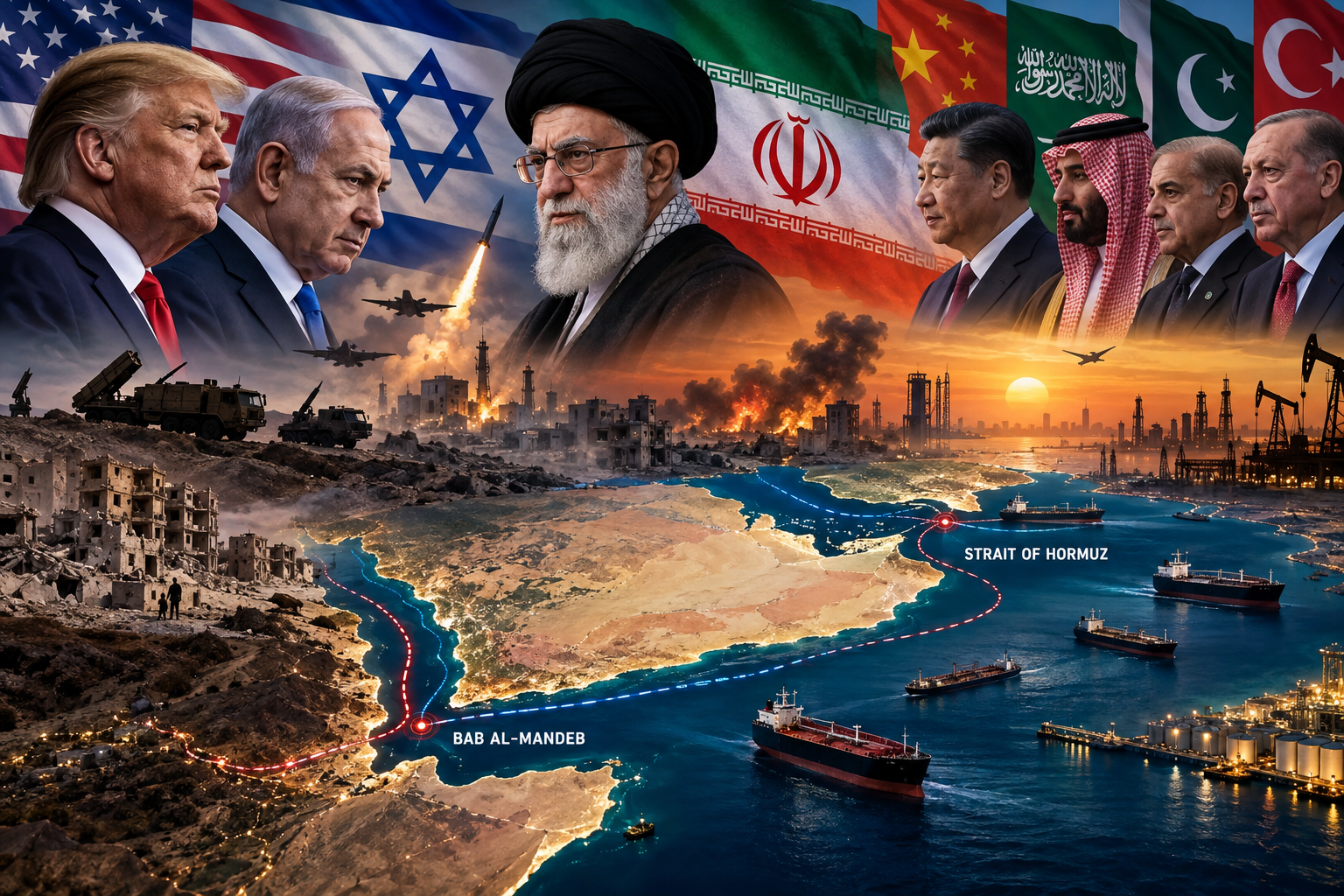
The world currently stands at a crossroads where, on one hand, the flames of war are spreading, while on the other, diplomatic efforts continue in search of peace. The intense tensions between Iran and the United States have already plunged the Middle East into an unprecedented crisis, while the conflict between Saudi Arabia and the Houthis has further complicated the situation.
The sound of missiles and drones does not remain confined to the battlefield. Its consequences reach every part of the world, particularly the lives of ordinary people. Rising petrol prices, energy costs, prices of essential commodities and travel expenses ultimately affect the budgets of working-class and middle-class families who are already struggling under the burden of inflation.
Pakistan’s real strength lies not in entering the war but in using its diplomatic space to help prevent war.
On September 20, Brent crude oil was trading at around $100 per barrel, while only a few days earlier, its price had exceeded $107. These figures indicate that every new front of war in the Middle East can create economic pressure across the world. The true cost of war is not paid only by armies and weapons. A worker pays the price of war by cutting back on his daily necessities, a driver pays it when petrol prices rise, a student pays it through increased travel costs; and a middle-class family pays it while struggling to balance its monthly budget. That is why the most important question for the world today should not be who will win the war, but when the war will end and when the door to negotiations will open.
In this situation, Pakistan’s role has assumed particular importance. Pakistan has historic, religious and defence ties with Saudi Arabia, while it shares a long border with Iran and has important regional relations with Tehran. At the same time, Pakistan also maintains diplomatic relations with the United States. This makes it important for Islamabad, during the current crisis, to stand with Saudi Arabia on matters concerning its security and sovereignty while also keeping the channel of communication with Iran open in order to help reduce regional tensions. Pakistan has followed precisely this approach in recent days. Prime Minister Shehbaz Sharif held a telephone conversation with Saudi Crown Prince Mohammed bin Salman, during which he condemned the Houthi attacks on Saudi Arabia and expressed solidarity with the Kingdom.
The role of Field Marshal Syed Asim Munir has also become prominent in the current diplomatic contacts. His recent telephone communication with Iranian Foreign Minister Abbas Araghchi reflects efforts aimed at promoting peace. According to various reports, the regional situation and possibilities for reducing tensions were discussed during these contacts. It is significant that Pakistan’s efforts are being described as an initiative for peace, and Pakistan’s efforts have also been appreciated at the United Nations General Assembly. Pakistan’s real strength lies not in entering the war but in using its diplomatic space to help prevent war. Pakistan has also maintained in the past that conflicts in Yemen and the Gulf should be resolved through political dialogue rather than the use of force. Today, the situation is more sensitive than ever, and therefore wisdom demands that every possible diplomatic avenue be explored. Regarding the attacks on Saudi Arabia, Pakistan’s position is clear: the Kingdom’s sovereignty, regional security and the protection of the Holy Mosques are of the utmost importance. At the same time, Pakistan has urged all parties to exercise maximum restraint and step back from further escalation.
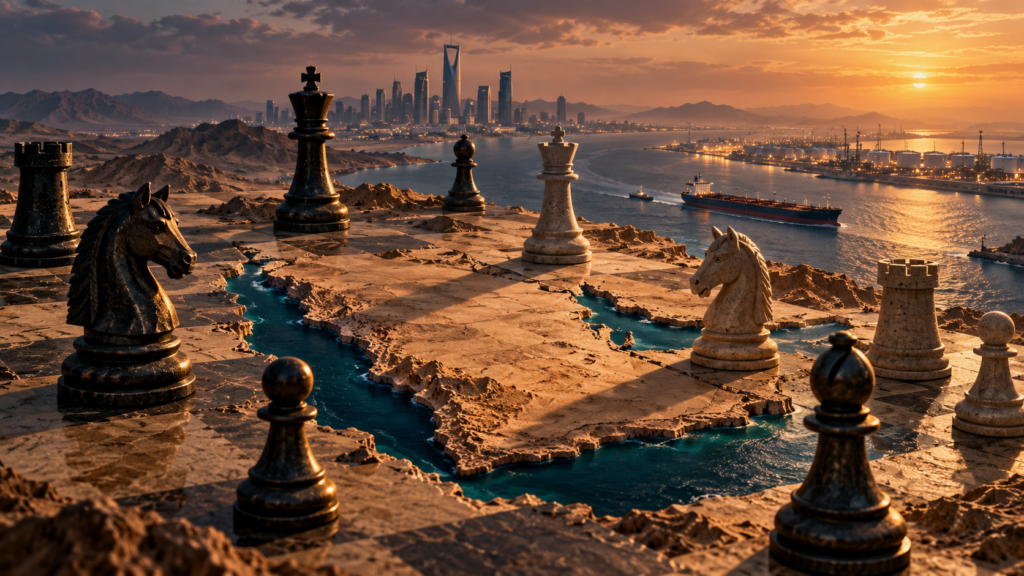
The world needs to understand that the Strait of Hormuz, Bab el-Mandeb and other important waterways in the Gulf are not merely geographical locations; they are vital arteries of the global economy. Continued instability along these routes poses not only a threat to the countries of the Middle East but also means more expensive energy and a higher cost of living for hundreds of millions of people across Asia, Europe and Africa. The wider the scope of war becomes, the greater the difficulties faced by ordinary people. Today, there is an urgent need for the United States, Iran, Saudi Arabia, Yemen and other regional parties to give priority to the negotiating table rather than hostile statements and attacks against one another. Differences may continue to exist, but disagreement and war are not the same thing. The purpose of diplomacy is precisely to ensure that, even amid the most serious disagreements, the path of dialogue remains open.
The recent contacts involving Field Marshal Asim Munir and the Pakistani leadership are part of this broader diplomatic effort, whose objective is to prevent the region from sliding further into conflict and to keep the possibility of negotiations alive. The sound of missiles may create a temporary sense of power, but lasting peace can only come through dialogue. Today, the world’s poor and ordinary people need peace more than the victory of any particular country. They need affordable petrol more than the dominance of any power, and they need a secure future for their children more than another war.
If the current flames in the Middle East spread further, their heat will be felt throughout the world. Therefore, the need of the hour is to pursue wisdom alongside strength, diplomacy alongside defence, and dialogue alongside disagreement.
If Pakistan succeeds in using all its diplomatic capabilities to pave the way towards peace rather than war, it will be significant not only for Pakistan but for the entire region and particularly for the ordinary person for whom the rising price of petrol has already become one of the greatest economic challenges of daily life.
About the Author
Ali Anwar
The writer is an old Aitchisonian who believes in freedom of expression, a freelance columnist, entrepreneur and social activist.
- Politics
How to Cite This Article
Anwar, Ali. “War and Pakistan’s Efforts for Peace.” Iqbal Forum, September 28, 2026. https://iqbalforum.org/en/?p=49965.




Comments