



Can the IRGC Deliver Peace? (Part 2)
Although Iran’s geography, population, and history justify a significant regional role, they do not grant it regional primacy over autonomous neighbors like Saudi Arabia and Israel. Iran risks miscalculating by viewing regional…
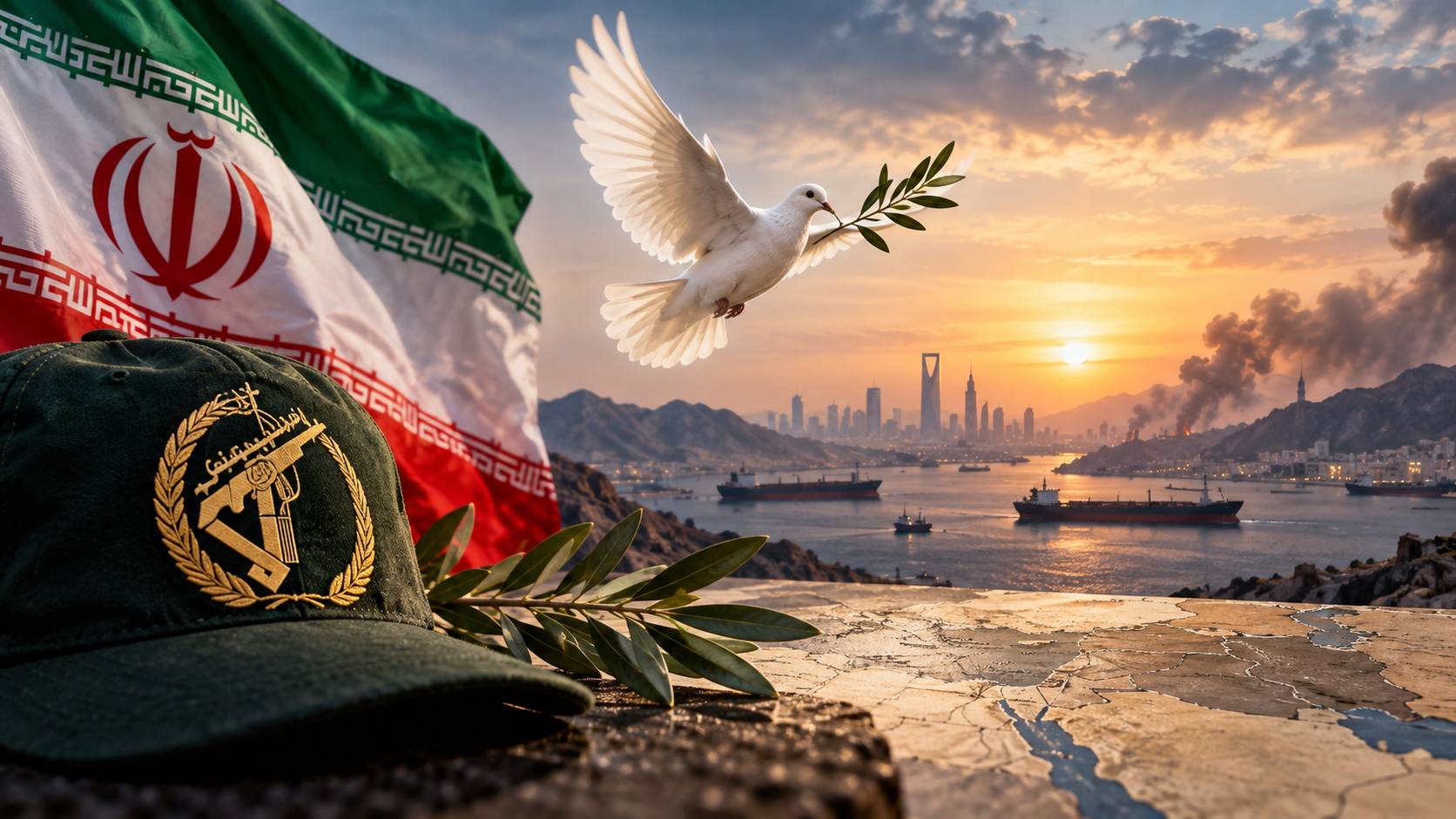
AI Analysis
Iran’s geography, population, historical identity and military capabilities justify a substantial regional role. They do not confer a right to regional predominance. Israel, Saudi Arabia and other GCC members possess independent interests and significant capabilities, while Egypt and other Arab states have their own views of the regional balance. Their disagreements with Washington may encourage diversification and engagement with Tehran without producing acceptance of an order organised around Iranian primacy.
A diminished American presence would therefore create a contested distribution of power. Neighbouring governments could strengthen their capabilities, develop alternative partnerships and combine accommodation with measures against domination. Their choices would reflect national interests as well as external relationships. Tehran risks misjudging the region if it treats resistance to its policies principally as an extension of American influence.
Religious identity adds to this challenge. Iran’s governing ideology is rooted in Twelver Shia Islam, whereas most surrounding Arab states have Sunni-majority populations and distinct religious and political establishments. Claims associated with Iran’s revolutionary model consequently face limits of acceptance, particularly where military relationships acquire sectarian characteristics. Those limits are reinforced by concerns about sovereignty, political legitimacy and intervention in domestic affairs.
Yet religious differences do not make cooperation unattainable. Shared interests in commerce, secure borders and regional stability can support accommodation across sectarian boundaries. The essential requirement is that Iran’s neighbours be approached as independent participants in a common order. Opposition to American policies cannot confer a mandate on Tehran to define that order for them.
Nor can Iranian strategy safely assume that Washington will depart quickly or completely. The United States may reduce, relocate or redesign its military deployments, but security partnerships, intelligence cooperation, arms relationships and access arrangements can survive substantial changes in troop levels. Its role may evolve while its capacity to influence the regional balance remains considerable.
Iran must therefore negotiate with the strategic environment that exists. Neighbouring governments continue to have reasons to seek external protection, and Iranian coercion can reinforce those reasons. Pressure intended to weaken American influence may instead strengthen the demand for it when regional states feel increasingly vulnerable. Accommodation offers a means of changing that calculation by addressing the insecurities sustaining containment.
China’s opening to Washington provides a useful perspective. Mao Zedong’s engagement with Richard Nixon in 1972 began a diplomatic process between antagonistic systems, preceding the economic reforms associated with Deng Xiaoping. China expanded its options before ideological differences disappeared. For Iran, the relevant lesson is that engagement can increase sovereign capacity through wider access to markets, technology and diplomatic alternatives.
Such an opening would become more credible through changes in regional practice. Armed partnerships have given the IRGC leverage, but they also represent investments of resources and prestige that complicate adjustment. Their strategic value must be measured against the political outcomes they produce and the insecurity they generate among neighbouring societies. Influence becomes costly when preserving it obstructs the relationships necessary for national recovery.
Gaza exposes the distance between supporting armed resistance and protecting the population in whose name it is pursued. Iranian assistance strengthened Hamas, but the wider regional network proved unable to shield Palestinian civilians from devastation. Israel bears responsibility for its military conduct, while Hamas and its supporters must examine how their strategic choices advance Palestinian survival, political rights and self-determination. Institutional prestige cannot become the overriding measure of solidarity.
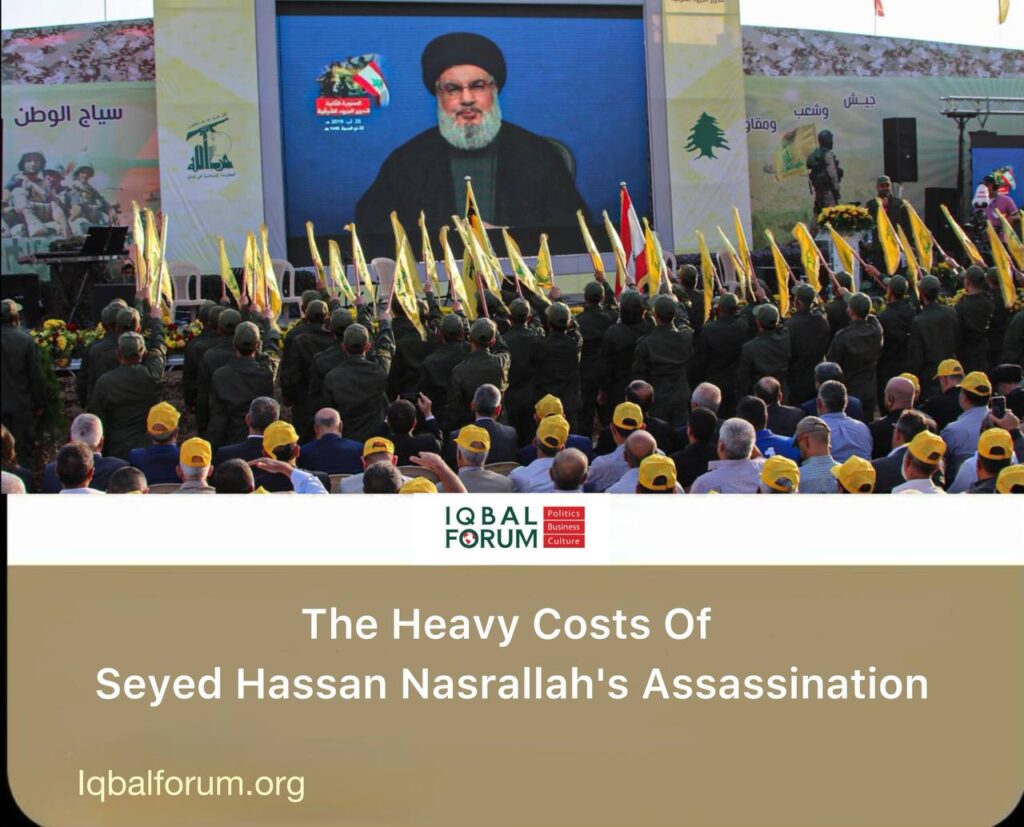
Lebanon presents a related choice. Hezbollah’s military autonomy has given Iran enduring leverage while complicating the Lebanese state’s authority over decisions affecting the entire population. Strengthening national institutions would require changes in how Tehran exercises influence, alongside credible restraint against external attack. A stable Lebanon could offer durable political relationships, provided its government could reliably administer commitments concerning war and peace.
The Gulf and Yemen demonstrate how those choices shape perceptions of Iran. Pressure on maritime commerce threatens investment and confidence, while assistance to the Houthis contributes to capabilities that alarm Saudi Arabia and other states. The Houthis possess their own political agency, but Tehran remains responsible for assessing the consequences of its support. Regional accommodation requires practical restraint that neighbouring governments can recognise and trust.
Across these theatres, the IRGC faces a common strategic choice: established military relationships sustain its influence but can also encourage other states to seek protection against Iran. Adjusting those relationships would carry immediate institutional costs while offering broader gains in commerce, acceptance and security. Zarif’s alternative requires those gains to become tangible enough to support a transition towards more dependable political relations.
Peace within Iran demands a corresponding adjustment in the exercise of authority. Grievances concerning discrimination, livelihoods and dignity cannot be resolved through permanent security mobilisation. The unlawful killings documented in Zahedan in 2022 underline the importance of accountability and equal citizenship. Women, young people and minorities seeking participation in national life must have confidence that peaceful demands can receive a political response.
That confidence would give recovery a domestic constituency. Citizens whose endurance sustains national defence have a claim to shape the future secured through it. External relief could ease economic pressures, but lasting cohesion also requires institutions capable of listening, responding and accepting scrutiny. The Guards’ contribution to national renewal would be measured partly by their willingness to support this relationship between security and public trust.
Washington has an equally consequential responsibility to make accommodation credible. Usable sanctions relief, clear reciprocal obligations and reliable verification would strengthen the case for compromise. Uncertain benefits or terms perceived as capitulation would reinforce opposition within Iran’s security establishment. A durable agreement must permit both sides to demonstrate delivery and contain disputes before they destroy the wider settlement.
Can the IRGC deliver peace to Iran within and without? Its wartime influence makes its cooperation indispensable, but Zarif’s diplomatic alternative requires it to accept changes in both its domestic authority and its regional practices. Iran’s recovery depends on institutions willing to share the opportunities of peace, while regional coexistence depends on accepting that neighbouring states will resist any replacement of foreign predominance by Iranian domination. The decisive choice is whether the Guards can convert the leverage of resistance into an order that strengthens Iran through public confidence, economic renewal and the acceptance of its neighbours. The ultimate measure of resistance is the future it makes possible for the people in whose name it is pursued.
About the Author

Ambassador G. R. Baluch
AmbassadorAmbassador G. R. Baluch is an author for whom only limited biographical information is available. The source identifies Baluch with the ambassadorial title, while nationality and further life details are not specified.
Profile and all publicationsHow to Cite This Article
Baluch, Ambassador G. R. “Can the IRGC Deliver Peace? (Part 2).” Iqbal Forum, October 13, 2026. https://iqbalforum.org/en/?p=51658.






Comments