



Pakistan’s Peace Mission in Tehran
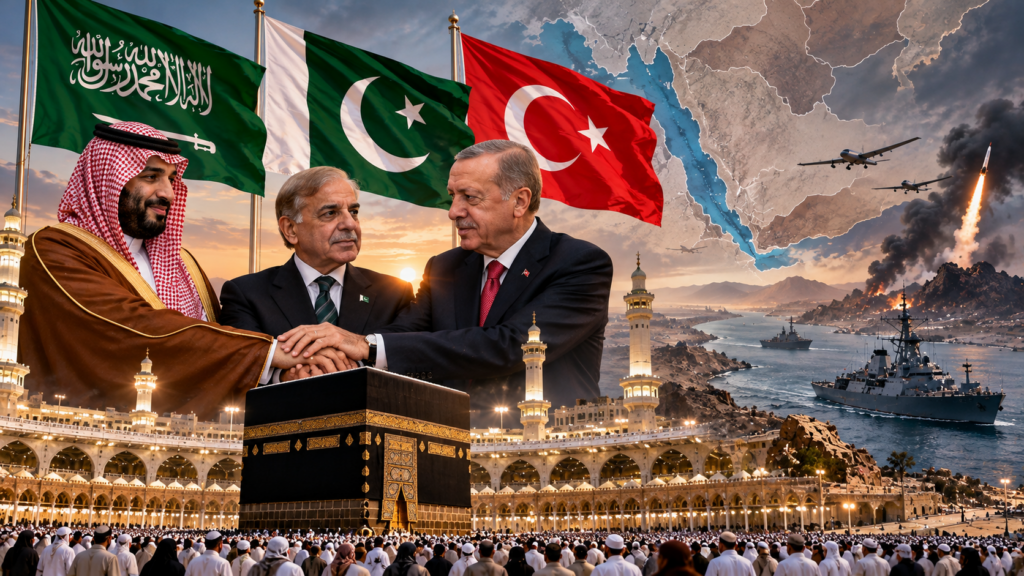
Tensions involving Iran, the United States, Israel, and Saudi Arabia have severely challenged the region, prompting Pakistan, Saudi Arabia, Türkiye, and Iran to convene in Tehran on Pakistan’s proposal. Hosted by Iran's…
AI Analysis
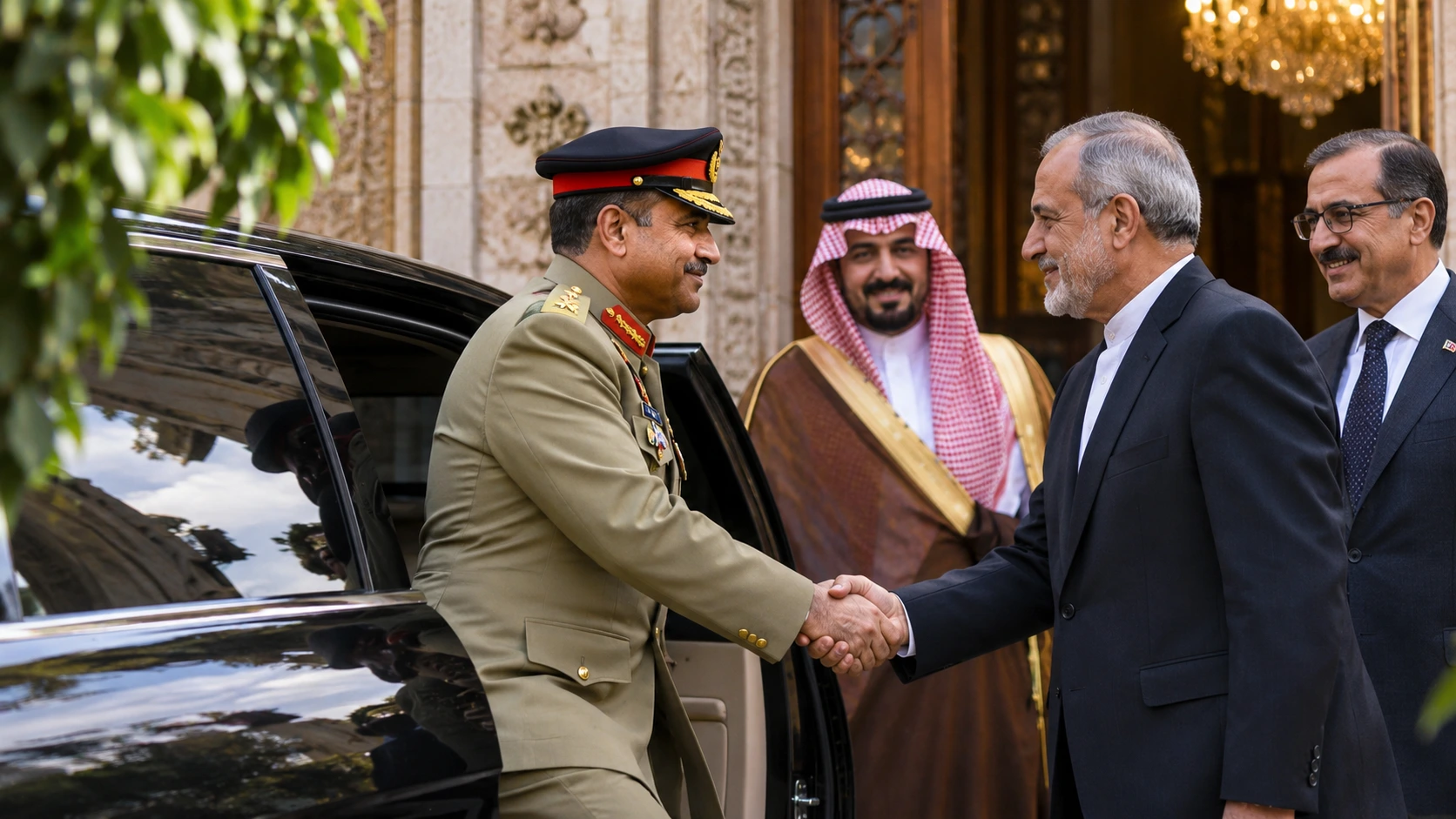
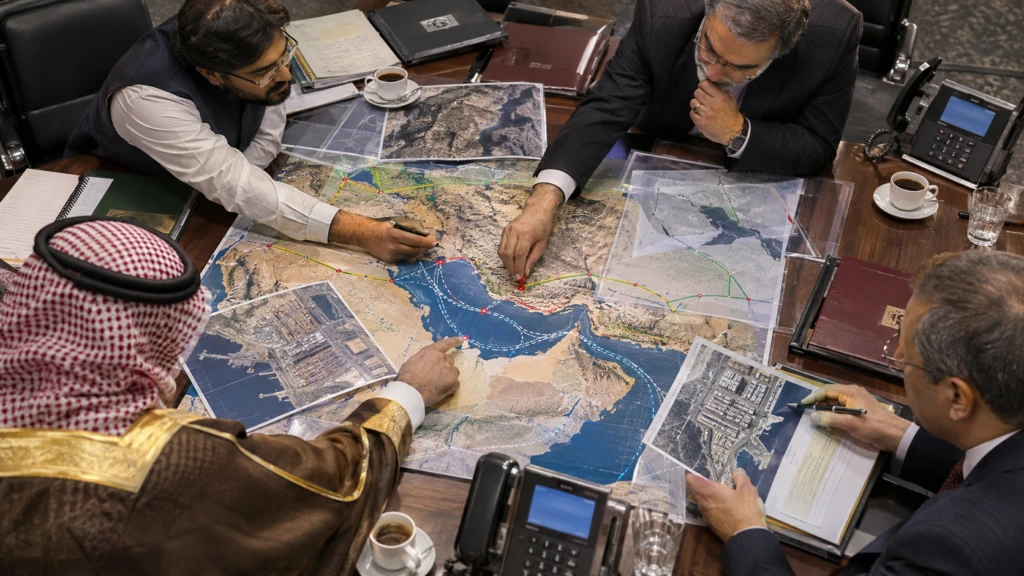
The tensions between Iran and the United States, Israel’s military actions, threats posed to Saudi Arabia by Houthi rebels, and the growing uncertainty across the region have confronted the Muslim world with a new and serious challenge. In such circumstances, the gathering of senior officials from Pakistan, Saudi Arabia, Türkiye and Iran around the same table in Tehran was not merely a diplomatic meeting, but an important step towards resolving regional issues through mutual consultation and dialogue.The most significant aspect of the four-country meeting held in Tehran on 26 October 2026 was that it took place on Pakistan’s proposal and with Iran’s agreement. Pakistan was represented by Field Marshal Syed Asim Munir, Saudi Arabia by Defence Minister Prince Khalid bin Salman, Türkiye by the head of the National Intelligence Organisation, Ibrahim Kal?n, while Iran hosted the meeting through Mohsen Rezaei, Secretary General of the Supreme National Security Council. The gathering was particularly significant because four major Muslim countries, despite having different regional priorities and disagreements on certain issues, chose the path of direct dialogue to discuss their concerns and common challenges.
The presence of four Muslim countries at the same table in Tehran sends a hopeful message: even amid the flames of conflict, the light of dialogue can still be kept alive.
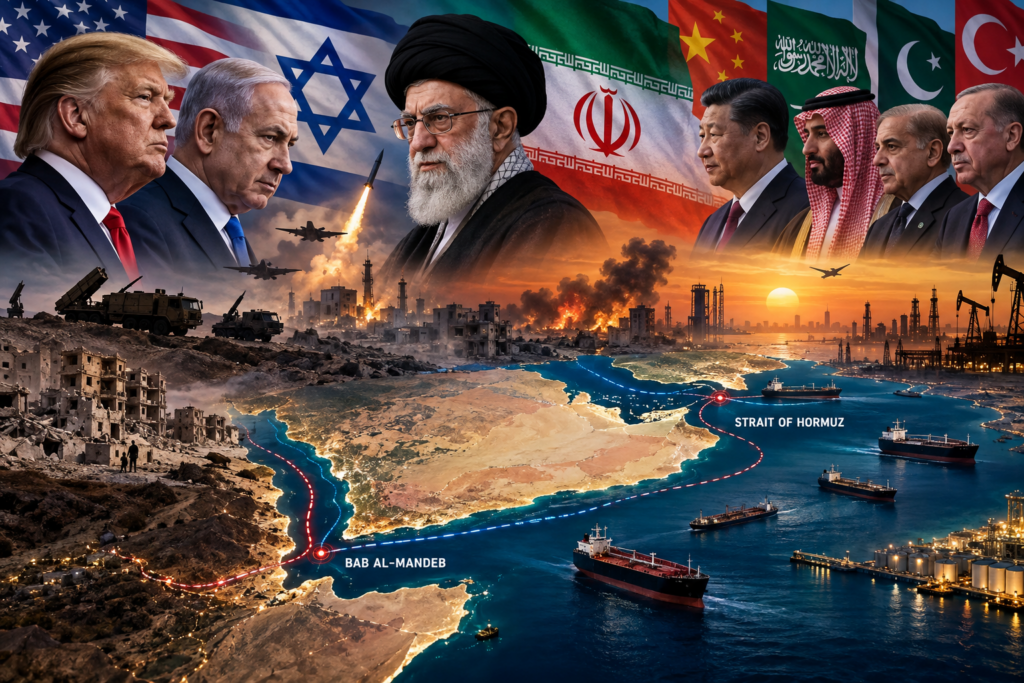
Pakistan’s role in this development, and the diplomatic efforts of Field Marshal Asim Munir in particular, deserve special attention. To understand the importance of Pakistan’s initiative, it is necessary to examine the current situation in the region. The conflict and tensions between Iran and the United States have affected security in the Persian Gulf. Difficulties in maritime navigation through the Strait of Hormuz, pressure on global oil supplies, and the threat of missile and drone attacks against Gulf countries have made the situation even more complex.Meanwhile, the activities of Houthi rebels in Yemen have created new concerns regarding Saudi Arabia’s security. Claims of attacks targeting Riyadh’s airport and Saudi energy and communications infrastructure have further intensified the seriousness of the crisis. Under such circumstances, the importance of direct communication and coordination among the four countries has increased significantly.An important aspect of Field Marshal Syed Asim Munir’s efforts is his attempt to transform defence cooperation among Pakistan, Saudi Arabia and Türkiye into a broader diplomatic opportunity for regional dialogue with Iran. The Makkah Joint Defence Agreement between Pakistan, Saudi Arabia and Türkiye in August 2026 is also significant in this context. Through this agreement, the three countries expressed their shared commitment to one another’s security and defence cooperation. However, such defence cooperation should not be viewed as a confrontation against any other country, but rather in the broader context of promoting peace, stability and collective security in the region.Another important feature of the Tehran meeting was that discussions were not limited to traditional diplomatic matters. Practical issues relating to regional security were also addressed. Reducing tensions between the United States and Iran, preventing Houthi attacks, restoring maritime movement through the Strait of Hormuz, the alleged US blockade of Iranian ports, and establishing a regional framework of non-aggression were among the key issues discussed during the consultations.The importance of Pakistan’s diplomatic efforts is further enhanced by the fact that relations between Iran and Saudi Arabia have, on several occasions in the past, been marked by tension. Rebuilding trust between the two countries is essential for peace and stability throughout the region. Pakistan has historic, religious, defence and economic ties with Saudi Arabia, while Iran is an important neighbouring country. It is neither possible nor desirable for Pakistan to place the interests of one brotherly Muslim country in opposition to those of another. Pakistan’s geographical position and historical relationships require it to play a constructive role in reducing differences and strengthening communication.This is precisely where the diplomatic activities of Field Marshal Syed Asim Munir assume particular importance. Contacts with the Iranian leadership had also taken place before his arrival in Tehran, and it was during this process that the proposal for a four-country meeting emerged.Pakistan chose the path of bringing all four countries to the same table rather than allowing the gap created by differences and disagreements to grow wider. The success of this initiative will now depend on the extent to which the discussions held at the meeting are transformed into sustained engagement, mutual confidence and practical agreements.The need of the hour is for the Muslim world not to allow its differences to turn into hostility. The presence of four Muslim countries at the same table in Tehran sends a hopeful message: even amid the flames of conflict, the light of dialogue can still be kept alive. Pakistan has taken the initiative to light that lamp. If this effort moves forward successfully, it could prove to be not only a major diplomatic achievement for Pakistan but also an important step towards peace, unity and a shared future for the entire Muslim world.
About the Author
Ali Anwar
The writer is an old Aitchisonian who believes in freedom of expression, a freelance columnist, entrepreneur and social activist.
- Politics
How to Cite This Article
Anwar, Ali. “Pakistan’s Peace Mission in Tehran.” Iqbal Forum, November 2, 2026. https://iqbalforum.org/en/?p=53800.






Comments