



Permanent peace
US President Donald Trump’s expressed desire for a "permanent" deal with Iran offers a glimmer of hope, yet achieving it requires consistent diplomacy rather than deepening mistrust through rhetoric. Iranian Foreign Minister…
AI Analysis
A permanent deal with Iran and prospects for lasting peace
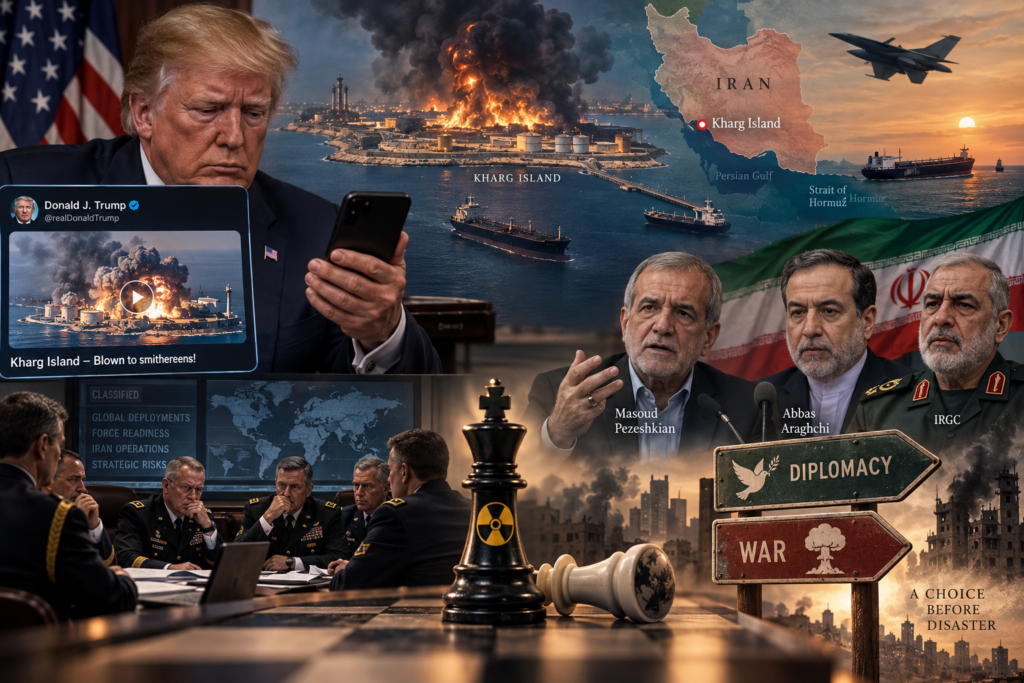
The US President Donald Trump has said that he wants a ‘permanent’ deal with Iran, the remarks that offer a glimmer of hope for resolving a conflict with far-reaching regional and global consequences. However, pursuit of such an agreement requires a consistent commitment to diplomacy rather than rhetoric that risks deepening mistrust and undermining the prospects of negotiations.
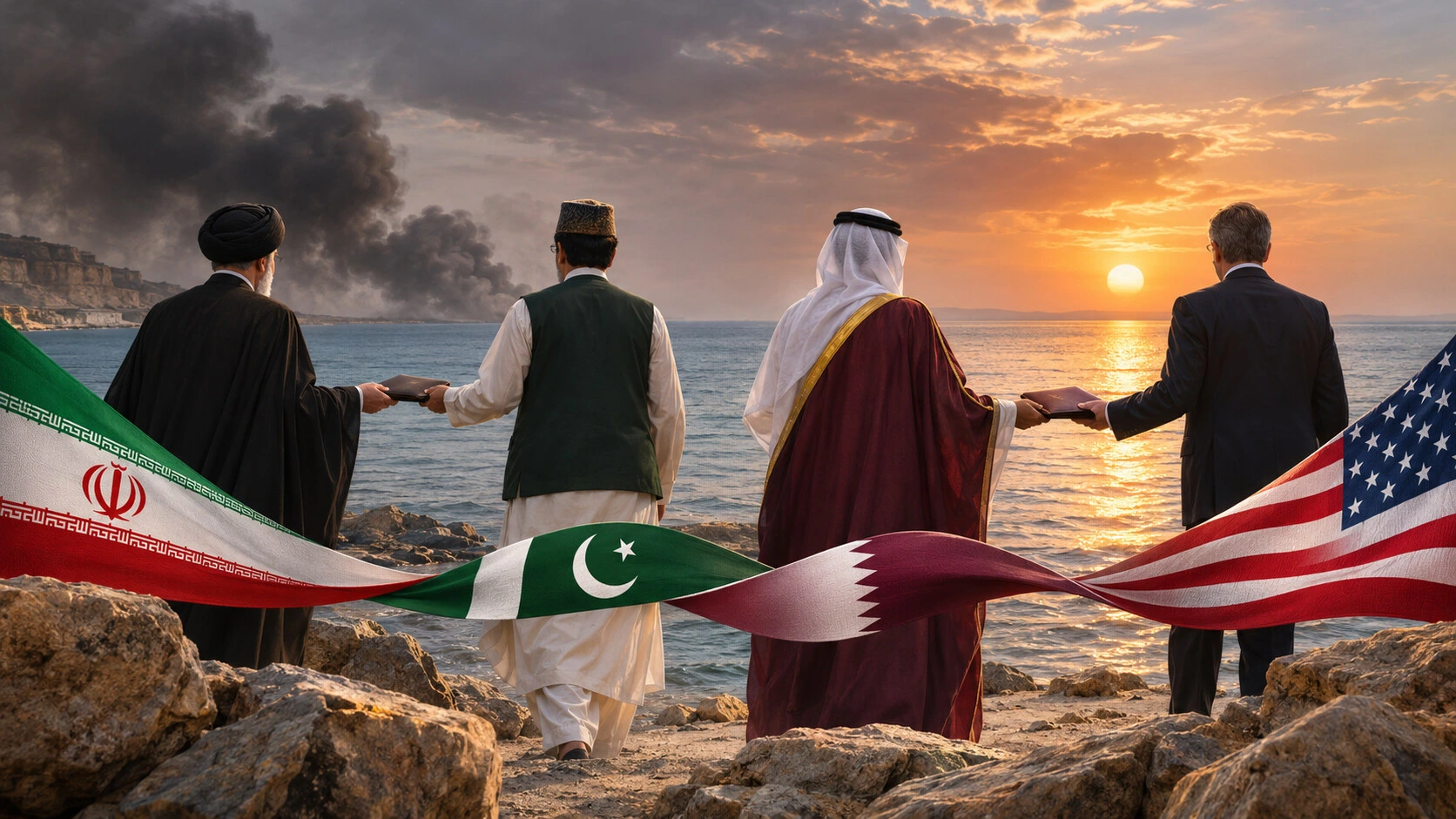
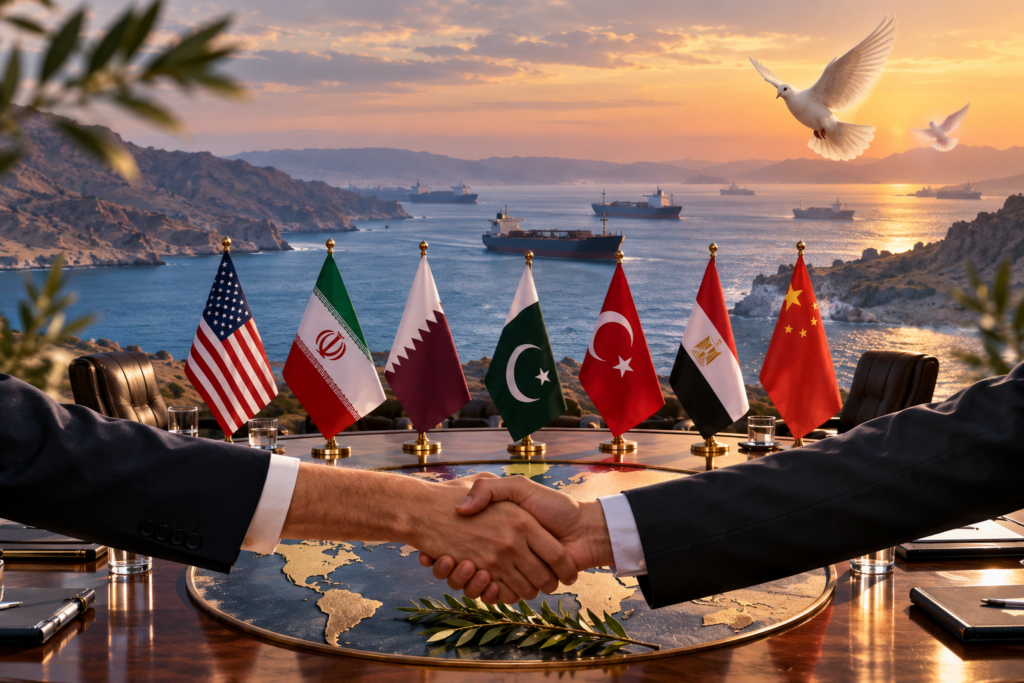
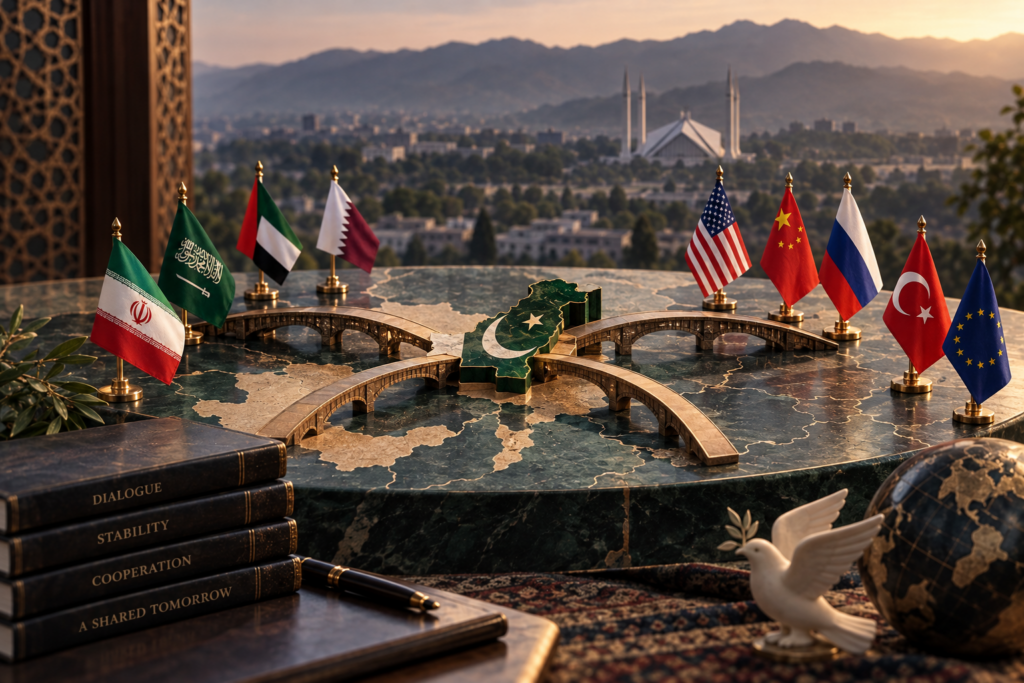
Separately, Iranian Foreign Minister Abbas Araghchi confirmed that messages continue to be exchanged between Tehran and Washington through mediators. He emphasized that Iran seeks an agreement that would prevent another war and wants assurances that Washington is genuinely serious about negotiations. Tehran also discussed confidence-building measures with mediators, suggesting that diplomatic engagement remains a viable option despite considerable differences between the two sides. Indeed, neither the region nor wider world can afford further escalation. The conflict has already inflicted immense economic costs, disrupted markets and energy supplies and heightened uncertainty across the global economy. Any renewed military confrontation would compound these consequences, with ordinary people and struggling economies bearing much of the burden. Complex issues, whether concerning Iran’s nuclear programme or Strait of Hormuz, can only be discussed and resolved at the negotiating table, not through threats or military action. Significantly, reservations about military approach are also emerging within the US administration. Vice President JD Vance, when asked whether he would have authorised the strikes against Iran to prevent it from developing nuclear weapons, declined to endorse the decision, saying that the attack was Trump’s call and that his responsibility was to support the president. His response reflects complexities and differing considerations within the administration regarding use of military force. The Islamabad Memorandum of Understanding provides a way forward towards a permanent deal and lasting peace. Greater responsibility rests with the US and President Trump. He must decide whether he wishes to leave behind legacy of a peacemaker who chose diplomacy over confrontation or allow the region to descend into another prolonged crisis. The opportunity for peace is there, what is required now is the political will to seize it.
Editor’s Note: This article was originally published in "Pakistan Observer", Pakistan, and has been republished on the Iqbal Forum website with attribution to the original author and publication. The views expressed are solely those of the author and do not necessarily reflect the position of Iqbal Forum.
About the Author

Editor Pakistan observer
This profile is listed under the name “Editor Pakistan Observer.” The available data does not provide further details about this author's life, works, or background.
Profile and all publicationsHow to Cite This Article
observer, Editor Pakistan. “Permanent peace.” Iqbal Forum, November 23, 2026. https://iqbalforum.org/en/?p=56559.



Comments