



Diplomacy’s long game
Following the Democrats capturing Congress in the US midterms, Islamabad should reconsider its personalized approach to American diplomacy and focus on building sustainable, institutional ties. Pakistan's effective foreign policy—evidenced by its post-May…

AI Analysis
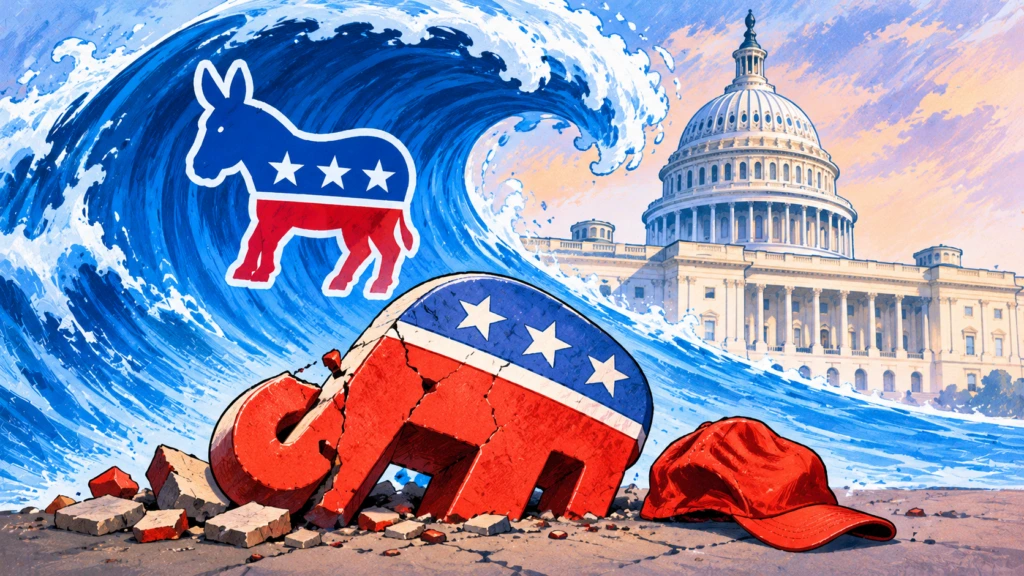
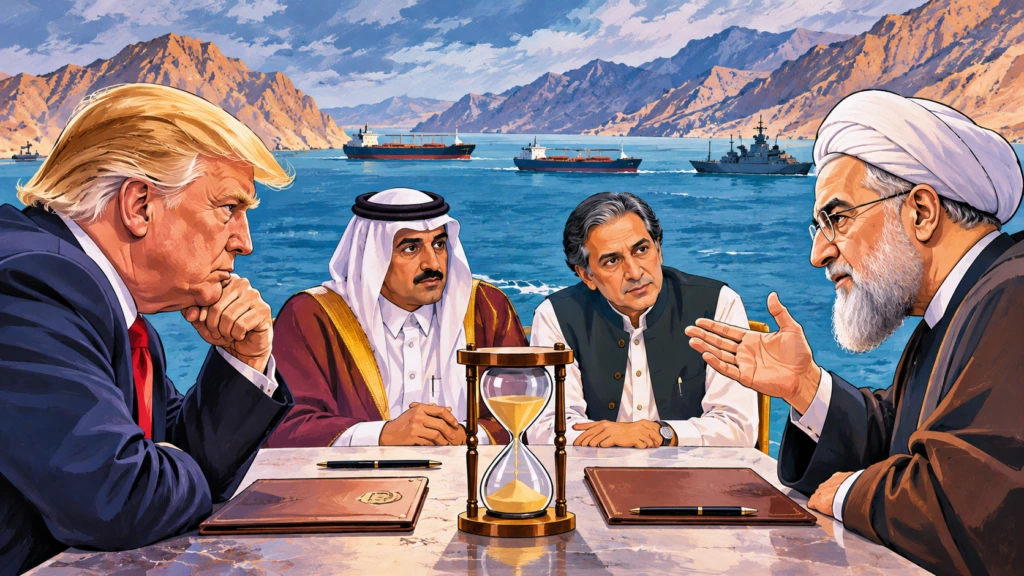
The Democratic Party’s victory in the US midterm elections is unlikely to bring about an immediate change in Washington’s relationship with Pakistan. But it does offer Islamabad an opportunity to reconsider the manner in which it has conducted its recent engagement with the US. The Democrats’ capture of both chambers of Congress is a setback for US President Donald Trump and could bring greater scrutiny of his foreign policy. For Pakistan, the implications go beyond the political fortunes of one American president and raise a more fundamental question about the sustainability of a relationship built largely around personalities rather than institutions. There is little doubt that Pakistan’s foreign policy has been conducted with considerable dexterity over the past two years, particularly since the May 2025 conflict with India. Its subsequent rapprochement with Washington and, more recently, its role in facilitating communication between the US and Iran and hosting the Islamabad talks have enhanced its diplomatic standing and showed that, despite its economic difficulties, Pakistan retains considerable regional and international relevance.
However, Islamabad could arguably have extracted more from the goodwill generated during this period. The diplomatic dividends have yet to translate into substantial economic gains. The approval of US financing for the Reko Diq project is significant, but the much-discussed request for a US Treasury facility remains unanswered. Pakistan must learn to convert diplomatic access into tangible, longer-term gains rather than rely on the goodwill of an incumbent administration. The midterm results also expose the risks of an overly personalised approach. Pakistan’s courtship of Trump secured extraordinary access to the White House. But a bilateral relationship cannot be sustained through personal equations alone. Certain business deals could also attract congressional scrutiny. This does not mean that Pakistan should anticipate an unravelling of ties with Washington. Counterterrorism cooperation, regional stability and diplomacy around Iran are areas of mutual interest that transcend party politics. The US may continue to regard India as an indispensable strategic partner in South Asia. So be it. Pakistan has its own relationship with Washington to cultivate, without making it contingent on competing with New Delhi for American attention.
There is also a changed Pakistan for Washington to contend with. Since the last Democratic administration, Pakistan has shown its ability to maintain relationships with competing powers and emerge as an important interlocutor in a major international crisis. It should recognise its own strategic importance and potential as a net security provider. The way forward requires institutionalising ties with the US through sustained engagement with Congress, the State Department, the Pentagon and the American business community. And these closer relations with Washington must not come at the expense of other strategic partnerships. China, Saudi Arabia and the wider West Asian region remain vital, as do opportunities to strengthen ties with Russia and maintain constructive engagement and strong relations with Iran. Pakistan’s recent diplomatic successes should provide confidence, not complacency, to build a foreign policy that is institutional, diversified and anchored in long-term national interests.
About the Author

Editor The News
No detailed biographical information is provided for Editor The News. This profile records the author under the supplied name, with no further details about the author’s background provided.
Profile and all publicationsHow to Cite This Article
News, Editor The. “Diplomacy’s long game.” Iqbal Forum, November 7, 2026. https://iqbalforum.org/en/?p=54487.





Comments