



Important alliances
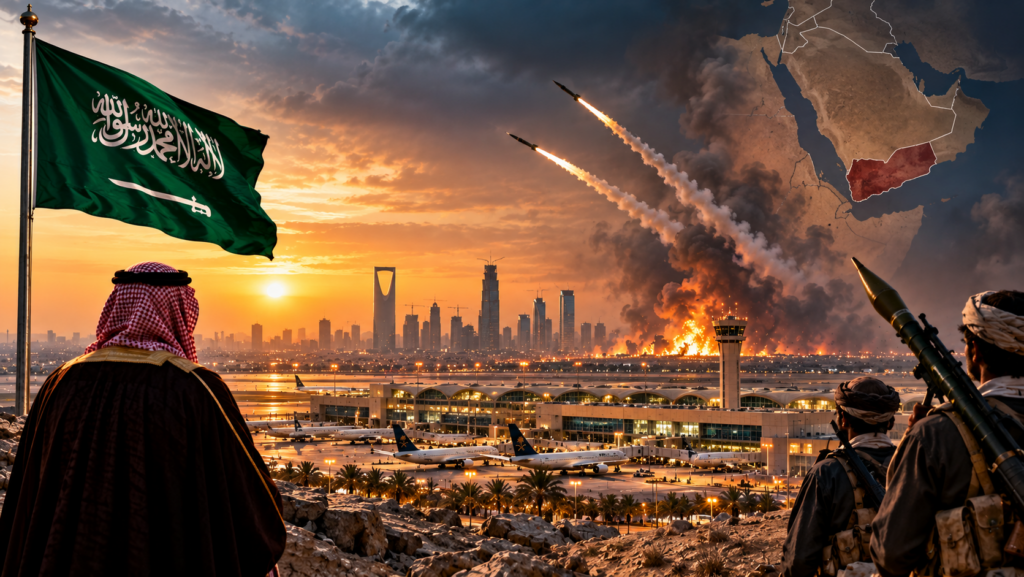
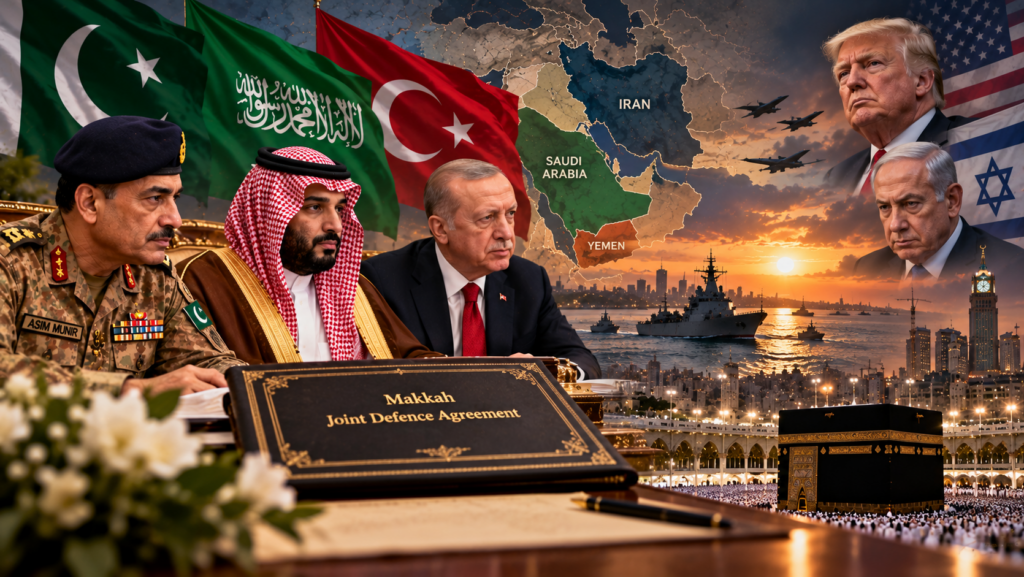
The Makkah Joint Defence Agreement—signed on August 7, 2026, by Pakistan, Saudi Arabia, and Turkiye—is being tested by recent Houthi attacks on Saudi Arabia. Modelled on NATO’s Article 5 to treat an…
AI Analysis
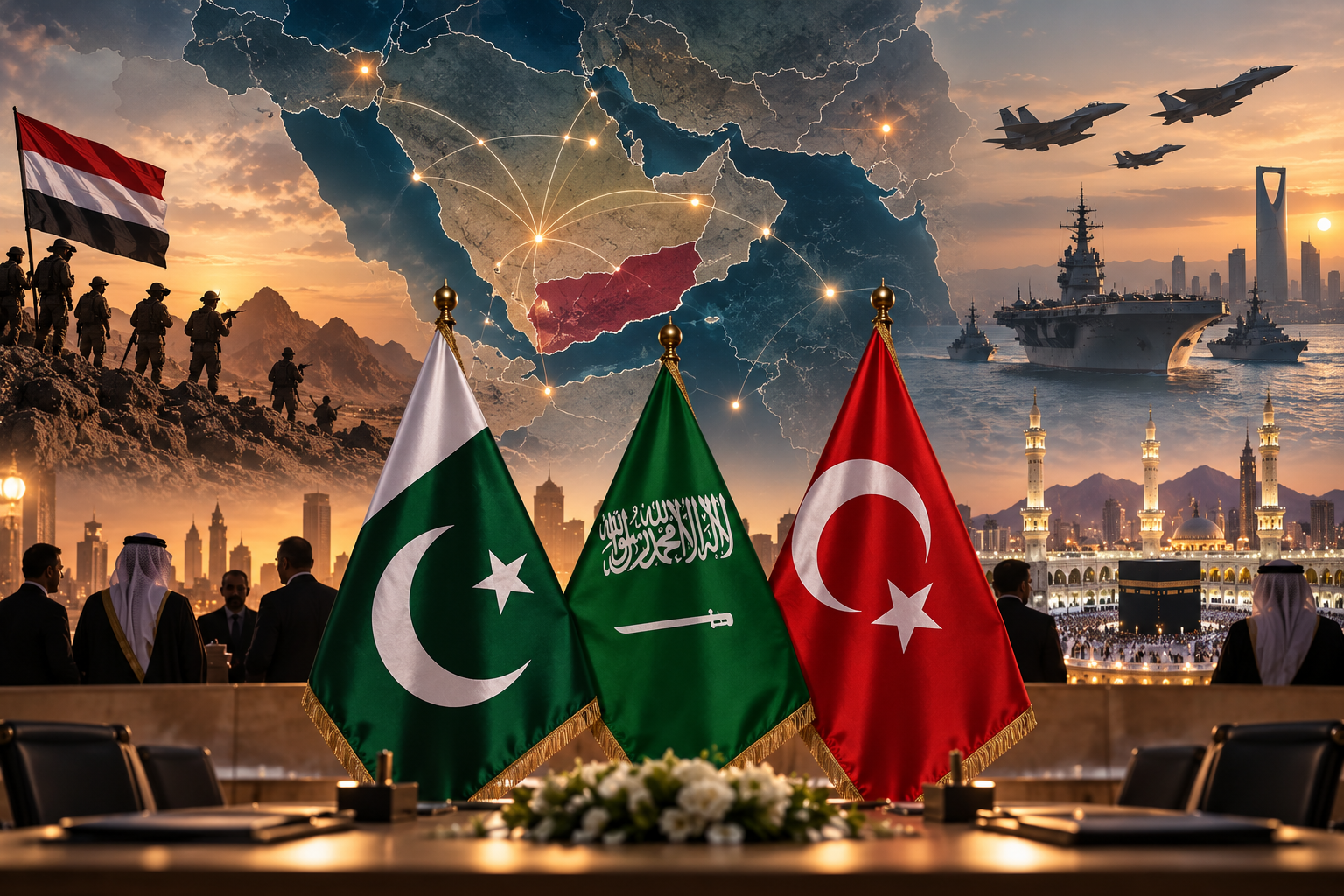
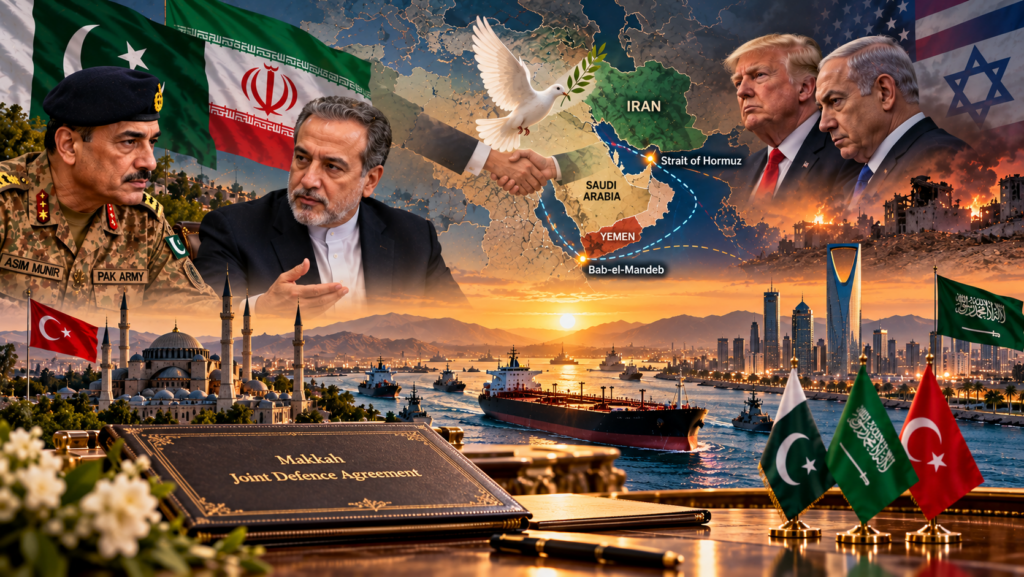
The Makkah Joint Defence Agreement is already being tested in circumstances that are highlighting the importance of the regional security arrangement. Foreign Minister Ishaq Dar on Friday confirmed that more than six countries have expressed interest in joining the pact, while reiterating that it is defensive in nature and not intended for offensive purposes. Pakistan, Saudi Arabia and Turkiye signed the agreement on August 7, weeks before Yemen’s Houthis began launching attacks against Saudi Arabia. Modelled in some respects on Nato’s Article 5, the pact stipulates that an attack on any one of the three countries will be regarded as an attack on all three. It is therefore unsurprising that questions are now being raised about the role Pakistan and Turkiye may be expected to play in the face of the Houthi attacks. Dar said an emergency meeting under the Makkah agreement would be held next week to review the latest situation in Saudi Arabia. Pakistan’s army top brass had also condemned the Houthi attacks on Friday, and reaffirmed Pakistan’s commitment to the security and sanctity of the Haramain Sharifain. Saudi Crown Prince Mohammed bin Salman has, meanwhile, said the pact is intended to bolster regional stability and shield the region from tensions and conflicts.
The Makkah alliance could eventually encompass more countries in the region. This would not be entirely unexpected. What began as a bilateral defence relationship between Pakistan and Saudi Arabia has already expanded into a trilateral arrangement with Turkiye joining the two countries. The reported interest of more than six other countries suggests that the logic behind such cooperation extends beyond the original three members. Regional experts have argued that more countries need to develop defence and diplomatic alliances in response to the security environment created by Israel and the support it receives from Western governments, particularly the US. This month marks the three-year anniversary of the ongoing genocide in Gaza. From the outset, it became clear that Israel’s actions would not remain confined to Palestine, with Lebanon also drawn into conflict and Qatar not spared. The subsequent war on Iran has further transformed the regional security landscape. For the GCC countries, this has raised fundamental questions about the limits of relying on an American security umbrella. Despite the presence of US military bases, the US was seen as unwilling to protect their security when Iran launched strikes, instead prioritising the protection of Israel. Whatever the individual positions of these countries, the experience has encouraged them to consider different defence pacts, security paradigms and alliances.
This is where the role of middle powers becomes particularly important. The emergence of new regional alliances reflects a recognition that countries in the region may need greater capacity to safeguard their own collective interests rather than remain dependent on security arrangements shaped primarily by outside powers. The Houthi attacks add another dimension to this. They risk sabotaging the improving relationship between Iran and Saudi Arabia, who have moved beyond a bitter past and established better diplomatic ties. The question of who benefits from the disruption of that rapprochement should therefore be considered carefully. If regional states are serious about developing security arrangements that serve their own interests, these alliances cannot simply be built around military responses to individual threats. They must also recognise the importance of diplomacy and of preventing the region’s existing relationships from being deliberately destabilised. This is why some believe Iran, too, should eventually become part of these emerging regional alliances to allow the countries of the region to collectively safeguard their interests from Israel and reduce their dependence on external powers. Whether the Makkah pact ultimately develops in that direction is up to future developments. But we can already see that the security architecture of the region may be entering a new phase.
About the Author

Editor The News
No detailed biographical information is provided for Editor The News. This profile records the author under the supplied name, with no further details about the author’s background provided.
Profile and all publicationsHow to Cite This Article
News, Editor The. “Important alliances.” Iqbal Forum, October 5, 2026. https://iqbalforum.org/en/?p=50761.





Comments