



Region in turmoil
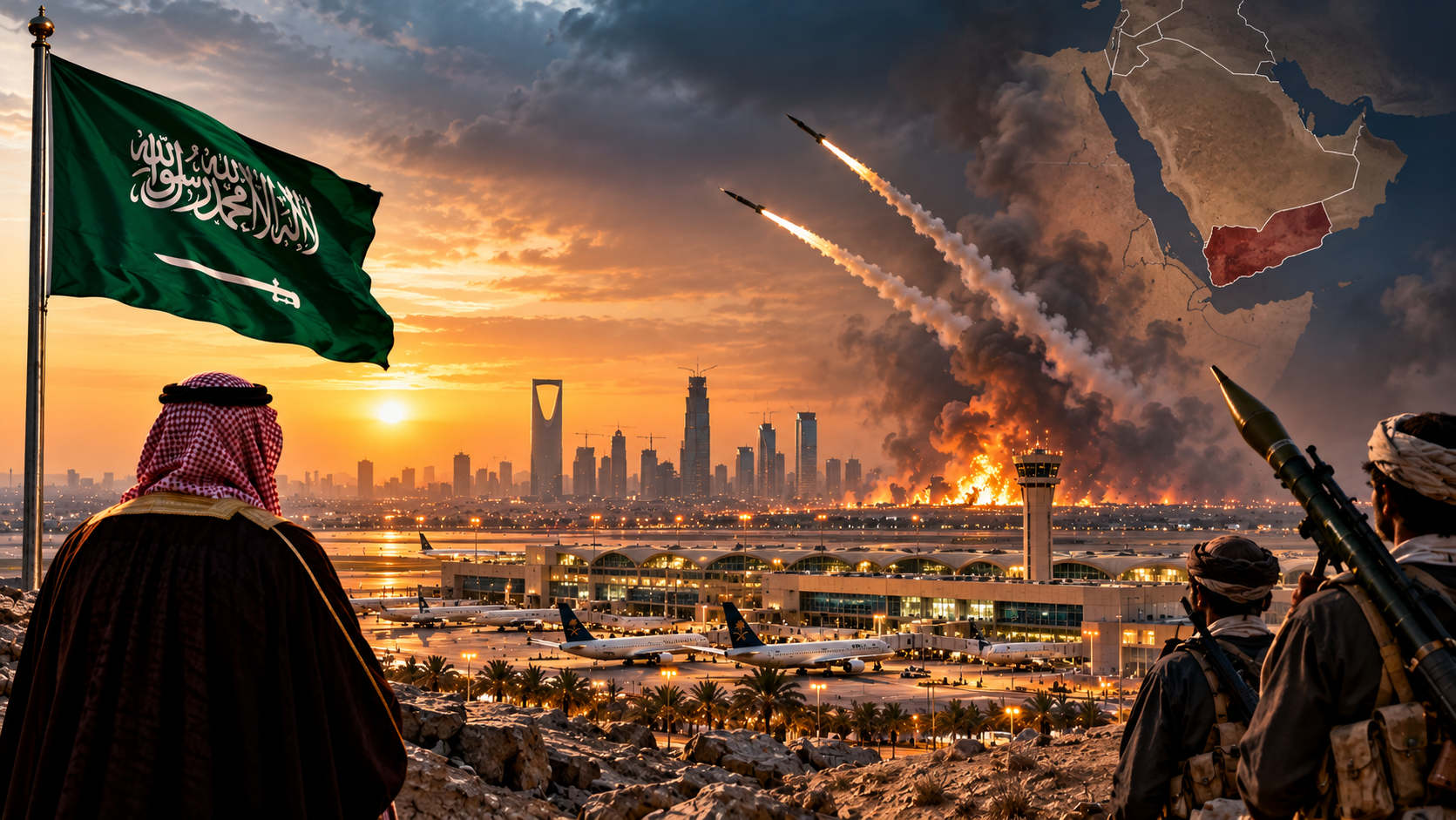
Escalating clashes between Yemen's Houthis and Saudi Arabia are plunging the region into deeper chaos, marked by deadly attacks on Riyadh's international airport, threats against Aramco oil facilities, and potential US military…
AI Analysis
The escalating clashes between Yemen’s Houthis and Saudi Arabia are plunging an already volatile region into further chaos. The attacks on Riyadh’s international airport have rightly drawn condemnation from several countries. The human toll is mounting: a Pakistani resident was killed and nearly a dozen people injured in an attack on the airport on Sunday, a day after a strike killed 13 people and wounded 308. Unfortunately, the situation doesn’t seem to be abating. The Houthis have now threatened Saudi Aramco’s oil facilities, declaring them “a legitimate target”. In response, the Saudi-led coalition has asked civilians to evacuate an area around the Yemeni Oil Company in Houthi-held Sanaa ahead of an expected attack. The Houthis have warned that any strikes on Sanaa will invite a “harsh” and painful response in Riyadh. US President Donald Trump has also said Washington is considering joining Saudi strikes against the group, raising the stakes further. The economic consequences could also be significant: Saudi Arabia’s real GDP is projected to contract by 3.6 per cent this year, reflecting several factors, including lower oil activity. An expansion of hostilities would only deepen the uncertainty.
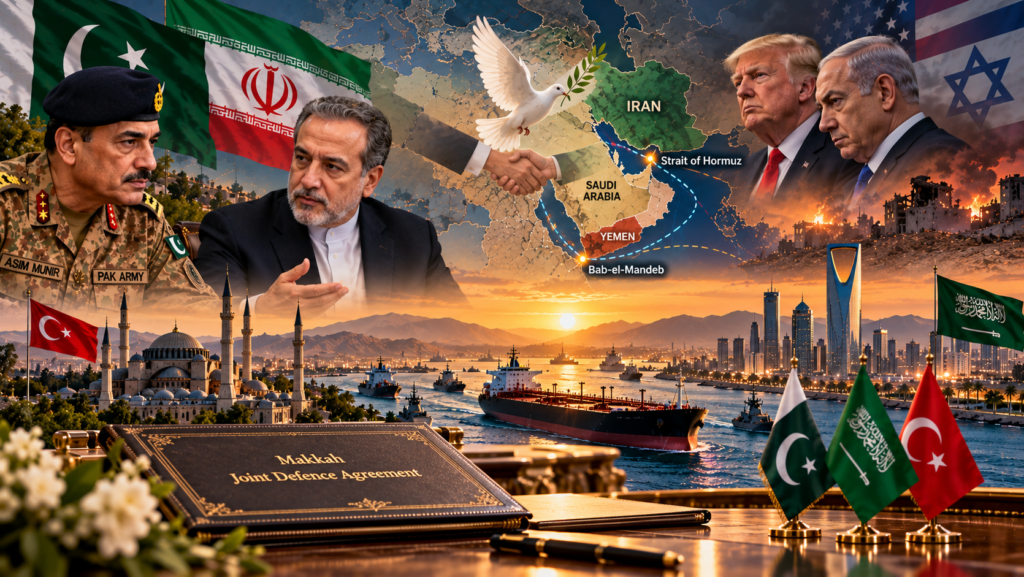
None of this is divorced from the wider upheaval engulfing the Middle East, the Gulf and West Asia. From the ongoing genocide in Gaza over the past three years to the US-Israel war on Iran earlier this year and now the Houthis’ deadly attacks on Saudi Arabia, the region is undergoing tectonic shifts. And let’s face it: in all this, Israel appears to be the principal beneficiary of the fallout from these conflicts, while the US continues to back its closest Zionist partner amid growing instability across the region. There is also another reality that analysts sometimes fail to acknowledge: although historically backed by Iran, the Houthis exercise a degree of autonomy and do not invariably follow Tehran’s wishes. Iran’s offer to facilitate talks between the group and Saudi Arabia therefore makes more sense, with Iranian Foreign Minister Abbas Araghchi speaking to his Saudi counterpart, Prince Faisal bin Farhan Al Saud, on Sunday, in their first publicly reported contact since the Houthis intensified their attacks. Iran has advised a political solution instead of focusing solely on a military approach. Regional experts believe Tehran is seeking to establish itself as an indispensable participant in a broader regional settlement and its diplomatic initiative also suggests concern in Iran that the escalation could spiral out of control. This is a sensible approach given that Saudi Arabia exercised considerable restraint during the US-Israel war on Iran, refraining from participating in attacks against Tehran despite pressure from Washington and Tel Aviv.
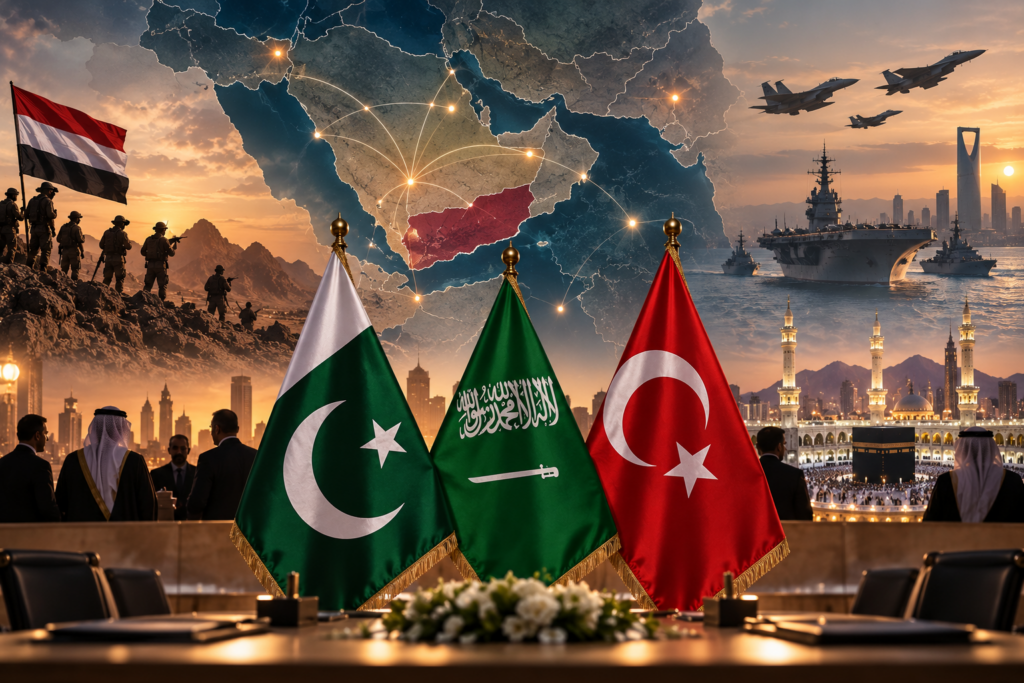
Pakistan too is engaging with Iran to help contain the Saudi-Houthi escalation. At a moment when Washington is contemplating deeper military involvement and both sides are threatening further retaliation, diplomatic channels must be pursued urgently and consistently. Military strikes may promise immediate retribution but risk triggering a cycle of attacks that neither the region nor its already strained economies can afford. The international community must press for restraint, protect civilians and support negotiations before another front opens in an already devastating regional conflict. The consequences would extend well beyond Yemen and Saudi Arabia, threatening energy infrastructure, economic stability and wider regional security. The Houthis are playing with fire, but the danger is not confined to their actions alone. Every additional military intervention risks making this conflict harder to contain. We – the world – cannot afford more war.
About the Author

Editor The News
No detailed biographical information is provided for Editor The News. This profile records the author under the supplied name, with no further details about the author’s background provided.
Profile and all publicationsHow to Cite This Article
News, Editor The. “Region in turmoil.” Iqbal Forum, October 14, 2026. https://iqbalforum.org/en/?p=51785.




Comments