



S, Israel and Iran: A Conflict Deferred, Not Resolved (Part I)
The escalating crisis involving Iran from August to November 2026 has evolved beyond nuclear enrichment and sanctions into a broader geopolitical struggle over Middle Eastern security, maritime control of the Strait of…
AI Analysis
Israel and Iran: A Conflict Deferred and the Role of the US
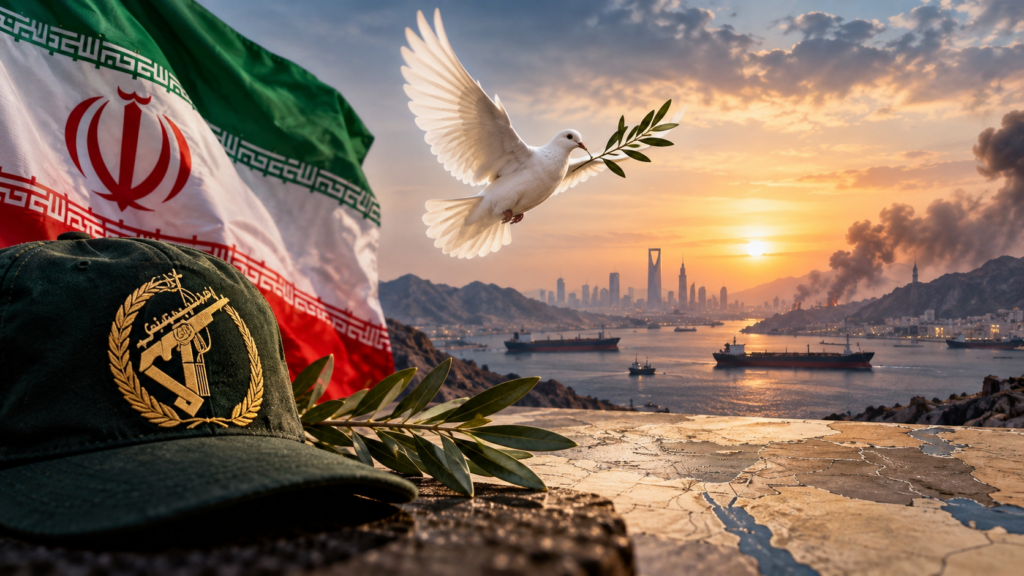
The Iranian crisis is no longer a question about nuclear enrichment, the future of the regime or economic sanctions. It has morphed into a struggle over the strategic architecture of the region, the future of an international order increasingly shaped by rival interests, Gulf security and the balance of power between the US and its competitors. The disagreements central to the crisis remain unresolved, and the consequences of another military confrontation could extend beyond regional borders. The period from August to November 2026 must therefore be viewed against the backdrop of a longer history of strategic confrontation. Netanyahu’s determination to prevent a strategic rival from acquiring nuclear weapons, the vulnerability of the Straits of Hormuz to an Iranian blockade and Washington’s regional commitments to its Gulf allies have combined to create a crisis in which diplomacy goes hand in hand with military preparation.
The past months have demonstrated the fragility of the situation. The memorandum of understanding reached in June 2026, following Pakistani mediation, expired on 17 August without birthing a settlement. Its collapse removed what had been an auspicious diplomatic framework for ending the conflict. The US maintained its blockade of Iranian ports, while intermittent military exchanges continued. The confrontation gradually shifted towards Hormuz, where control of maritime traffic has become an instrument of political and economic pressure.
The Iranian government has faced a combination of military damage, economic pressure and political uncertainty. The death of Ali Khamenei and the succession of Mojtaba Khamenei, fundamentally altered the country’s political landscape. The IRGC has assumed an increasingly prominent role. President Pezeshkian has advocated an end to the conflict, but the government’s negotiating position remains constrained by powerful hardline constituencies. Tehran has dithered from providing the IAEA with the access necessary to establish the status of its nuclear facilities and enriched uranium stockpile.
The fundamental difficulty is that Iran may regard retaining a latent nuclear capability as essential to its security and an indispensable deterrent, particularly after experiencing direct military attacks.
The Trump administration has pursued a dual strategy of military pressure and economic coercion. Washington continues to insist that any sustainable agreement must address Iran’s nuclear program. The administration’s position is complicated by financial and military costs, domestic scepticism pertaining to the conflict and midterm elections that don’t bolster the Trump administration. Nevertheless, the US has shown little inclination to accept an arrangement that leaves Tehran with substantial strategic freedom or an inadequately monitored nuclear infrastructure. The possibility of renewed strikes has remained a prominent feature of American policy discussions.
Israel remains unswervingly opposed to any settlement that allows Iran to retain a potentially militarily useful nuclear capability. Its strategic calculation extends beyond the immediate question of uranium enrichment. Israel views Iran’s missile programme, regional alliances and capacity to threaten it as interconnected elements of a broader security challenge. The prospect of Iran reconstructing its military infrastructure or recovering its nuclear capabilities remains unacceptable to the Israeli security establishment.
The Gulf Arab states have found themselves in a difficult position. Saudi Arabia has sought to prevent the conflict from becoming a permanent regional catastrophe, while simultaneously protecting its energy infrastructure and economic transformation. The emergence of Houthi threats against Saudi shipping and infrastructure has added another dimension to security concerns. Riyadh has participated in diplomatic efforts, including discussions involving Qatar, Pakistan and Turkey, but remains deeply concerned about Iranian attacks and the vulnerability of its strategic installations.
The UAE has balanced its close security relationship with Washington against the economic importance of regional stability. As a major commercial, financial and logistical centre, the UAE has a particularly strong interest in keeping maritime routes operational. The possibility of further attacks on Gulf infrastructure and commercial shipping threatens its wider economic ambitions.
Qatar has assumed an especially important diplomatic role. Its established channels of communication with Tehran and Washington have made Doha a natural intermediary. In October, Qatar participated in efforts to develop proposals for a ceasefire and the reopening of the Strait of Hormuz. Prime Minister Al Thani’s discussions with President Trump on 9 November illustrated the significance Washington attaches to Qatari mediation. Likewise, Oman has continued to facilitate communication between Iran and its adversaries. Its geographical position makes the security of the Strait of Hormuz particularly important. On 17 November, Iranian Foreign Minister Araqchi met Omani officials to discuss maritime security, shipping and the prevention of further escalation. This diplomacy was taking place even as the security situation deteriorated.
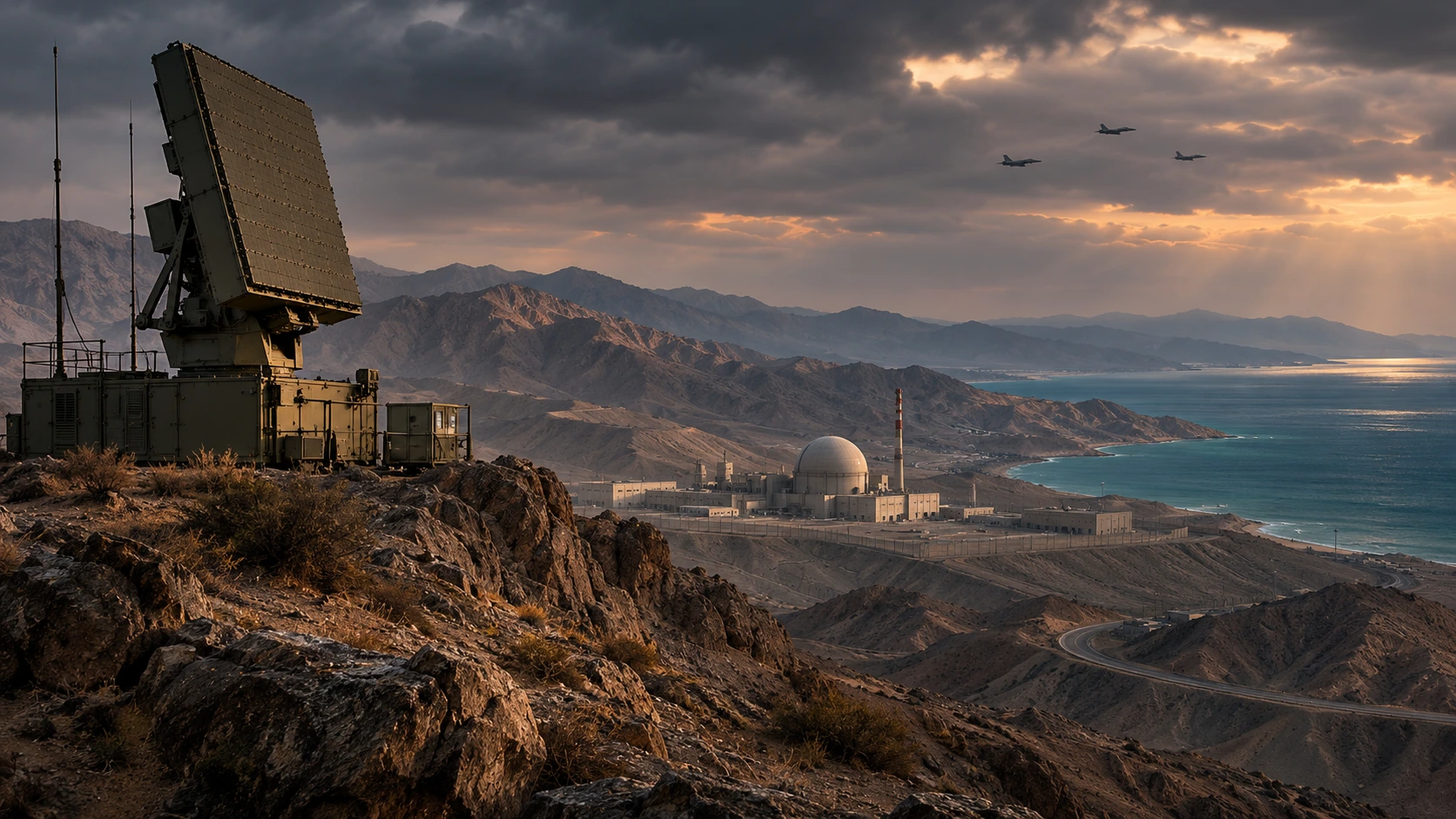
Bahrain has adopted a considerably more confrontational position towards Tehran. As host to the US 5th Fleet, it retains an integral position in the American military presence in the Gulf. Bahrain requested a UNSC briefing on the regional crisis, held on 13 November. Its security concerns became particularly acute on 17 November, when Iranian drones targeted a US military radar installation at Sheikh Isa. Meanwhile, Kuwait has had to contend with the implications of regional instability for its security, energy exports and relationship with the US. Like its Gulf neighbours, it faces the uncomfortable reality that hosting or supporting Western security infrastructure can make it vulnerable to retaliation in a wider confrontation.
The diplomatic picture is further complicated by the UN. On 9 September, the IAEA Board of Governors voted to refer Iran’s safeguards non-compliance to the Security Council, with 23 countries supporting the decision. China, Russia and Niger opposed it. The US, UK, France and Germany reiterated their concerns about the lack of inspection access and the inability to verify the status of Iran’s highly enriched uranium. The diplomatic divide reflects competing international interpretations of how the crisis should be managed.
At the heart of the confrontation lies a fundamental disagreement about what constitutes an acceptable nuclear programme. Tehran maintains that its nuclear activities are peaceful and that it has the right to develop nuclear technology under the NPT. Washington and Israel, however, are unwilling to accept an arrangement that leaves Iran with the infrastructure, enriched uranium reserves and expertise required to move towards a nuclear weapon.
For Israel, this is an existential strategic calculation. A nuclear-capable Iran could fundamentally alter the regional balance of power, constrain Israeli freedom of action and create a deterrence in which the consequences of military confrontation become dangerous. Israeli policymakers also fear that nuclear protection could embolden Iran’s regional allies and undermine Israeli military superiority. For Washington, the concern is broader. An Iran possessing a credible nuclear weapons option could trigger a regional proliferation cascade, potentially encouraging Saudi Arabia and other states to reconsider their own nuclear ambitions. It could also weaken American guarantees to Gulf partners and undermine the international non-proliferation system. There is an important distinction between possessing nuclear technology and possessing nuclear weapons. Nevertheless, the US and Israel increasingly regard an inadequately monitored Iranian enrichment program as an unacceptable strategic risk.
The fundamental difficulty is that Iran may regard retaining a latent nuclear capability as essential to its security and an indispensable deterrent, particularly after experiencing direct military attacks. This is the strategic dilemma that diplomacy has so far failed to resolve. The present confrontation is more likely to represent an intermission than a durable peace. The US and Israel have demonstrated that they are prepared to use military force to prevent Iran from consolidating its nuclear and missile capabilities. Unless a credible agreement emerges, the likelihood of renewed military action remains substantial – sooner rather than later. (To Be Concluded)
Editor’s Note: This article was originally published in "Daily Times", Pakistan, and has been republished on the Iqbal Forum website with attribution to the original author and publication. The views expressed are solely those of the author and do not necessarily reflect the position of Iqbal Forum.
About the Author

Ahmed S Cheema
The provided data contains no biographical information about Ahmed S Cheema. Therefore, further details about his background or field of work are not specified.
Profile and all publicationsHow to Cite This Article
Cheema, Ahmed S. “S, Israel and Iran: A Conflict Deferred, Not Resolved (Part I).” Iqbal Forum, November 24, 2026. https://iqbalforum.org/en/?p=56658.






Comments