


Atle Hetland
SeniorThe writer is a senior Norwegian social scientist with experience from university, diplomacy and development aid.
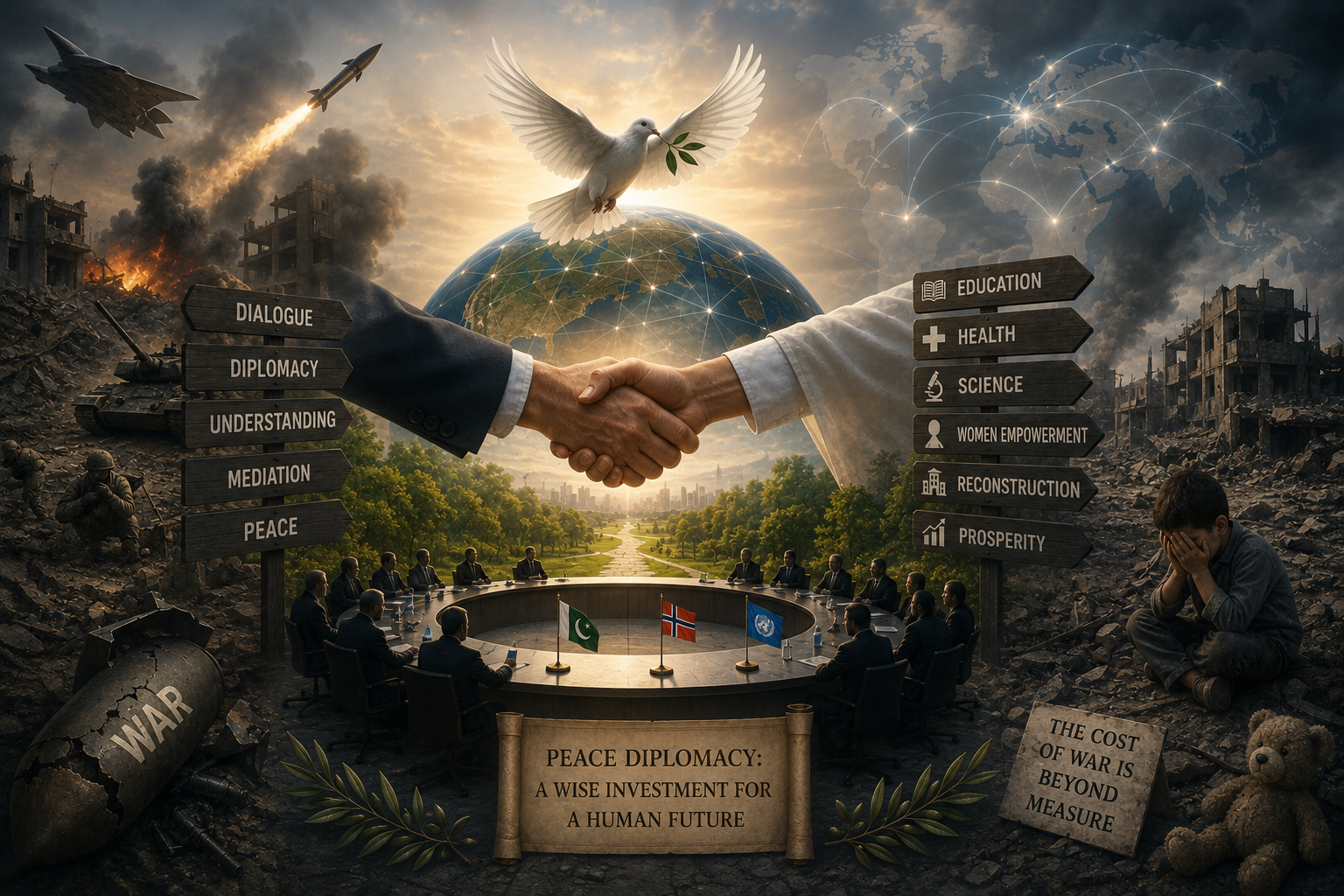
View ProfileWe live in a time when we want to measure and weigh everything. But peace diplomacy cannot be evaluated that way, especially not if it is about helping to prevent conflicts and wars from beginning, reduce escalation when they go on, and help end them and rebuild afterwards.
Professor Johan Galtung (1930-2024), considered the founder of peace research as an academic discipline, said in his many books that both sides must be open-minded and listen to the other side in talks and negotiations, and he underlined that it is necessary to ask if perhaps both parties in conflicts have some good points. We should realise that unless there is communication and a will to listen to each other, the terrible conflicts we witness will go on, as they currently do between Russia and Ukraine, the USA and Iran, Israel and Lebanon, and Israel and Palestine. Wars hardly ever end on the battlefield.
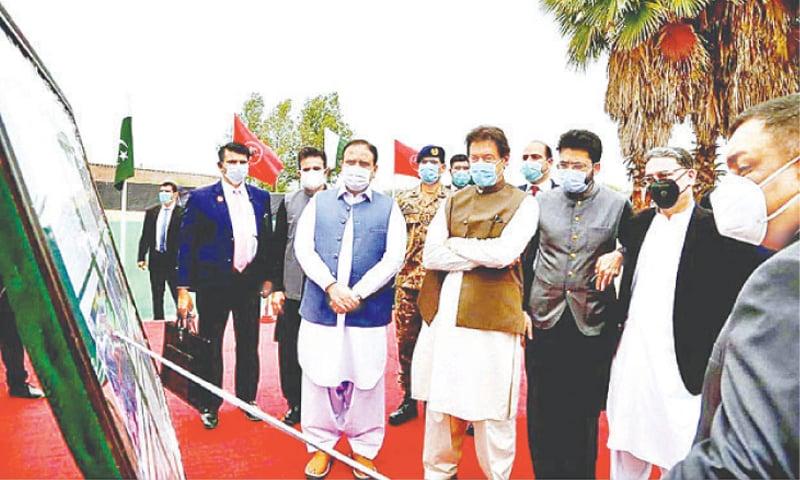
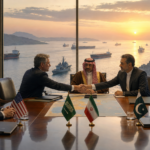
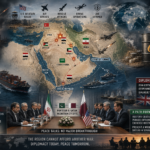
It becomes important that talks take place, often with peace diplomats and brokers, such as what Pakistan is now doing regarding the USA-Iran war, with quite some earlier success. It should be underlined that brokers cannot solve conflicts, but they can play essential roles along the way.
In an essay on 23 July 2026 in ‘Agenda’, a Norwegian online publication on development aid and international affairs, senior social scientist at the CMI research institute in Bergen, Dr Arne Strand, tried to evaluate the importance of peace diplomacy and brokerage – at a time when donors, including Norway and other major actors, are concerned about the high cost of development aid and other international activities, often unable to show good results.
Strand says that it is difficult to measure the results of peace diplomacy. At the same time, when critical voices want to know what it all costs, he argues that peace diplomacy is not at all expensive. What is really expensive is to let conflicts and wars go on, even without serious efforts to help end them. He says that the war in Iran has, till now, cost the USA an estimated USD 132 billion, and in addition comes a weaker world economy and costs to rebuild Iran and its neighbouring countries. He says that Norway spends some USD 40 million annually on peace diplomacy, and that it is well worth it for the world, including goodwill for Norway.
Strand uses some quantitative data and statistics, but mostly he uses words to argue for peace diplomacy. He stresses the societal benefits of fewer people being killed and injured in conflicts and wars, fewer people made refugees or being displaced, fewer destroyed schools, hospitals and other infrastructure, and fewer people traumatised. The ‘peace dividend’ is high, Strand says, but it is difficult to measure, indeed in quantifiable terms. Perhaps we also don’t want to show the real costs of wars and conflicts, because the figures would be devastating.
Norway has been involved in many peace-creating efforts, including those leading up to the Oslo Agreements regarding Israel and Palestine in 1993. As examples, Strand refers to Norway’s efforts during the civil war in Sri Lanka and the West’s invasion of Afghanistan and Iraq, and he says that Norway’s efforts were not very successful. But he says that the results of the efforts in Colombia during 2012-2016 were better. Let me add that in peace diplomacy it is important that staff have the right technical training and values, operating in teams, not in individual capacities, but building personal relationships is also needed.
In future, it would be important that more organisations and countries engage in peace diplomacy, similar to what Norway has done in the past and Pakistan is doing today. It would also be important that the United Nations and other multilateral organisations, and other organisations and academic institutions, engage more actively in peace diplomacy, or pre-peace diplomacy, preparing for later talks and negotiations.
Today, there should be much more peace diplomacy to help solve ongoing conflicts and wars, indeed the Russian war in Ukraine, now in its fifth year, with escalation, inter alia, as Ukraine has now become able to attack more targets with drones deep inside Russia. There ought to be efforts by groups of neutral countries to help prepare for later talks directly between the two countries, which are the ones that eventually must decide how to end the war. The UN, EU and others ought to do more, and also organisations and countries friendly to Russia.
In the Middle East, the lasting Israeli aggressive behaviour is unacceptable, also leading to counter-activities by terrorist organisations, indeed Hamas. The situation of the Palestinian people in Gaza and in the West Bank, including illegal Israeli settlements, is unsustainable. Lebanon’s situation is also unsustainable. Neutral peace diplomacy efforts are required soonest. It is difficult to understand that the international community is not involved in serious efforts already, to include neighbouring countries and the West. The USA should be included, but not have any veto power.
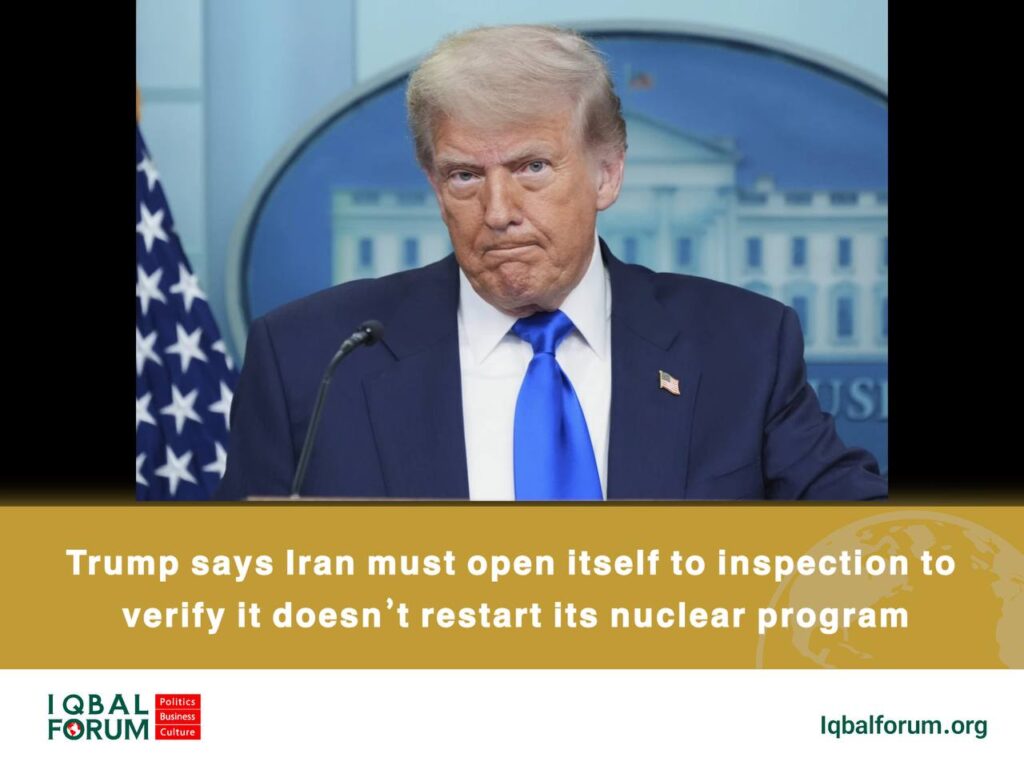
The USA-Iran war has been left drifting for four months since it started, allowing the parties, especially the USA, to carry out terrible attacks. Since Russia is said to support Iran, the war has broader East-West dimensions. The conflict about the Strait of Hormuz seems not to be possible to end unless there is international peace diplomacy involvement. Hormuz should be open, with oversight by Iran and the other Persian Gulf countries, but it is difficult to see if a far-away country like the USA should have any role; in our time, it is unacceptable that it indirectly acts as a superpower ‘policeman’, much on behalf of the international community, i.e. the West.
In future, it is likely that the local country authorities will play a more active role than hitherto in controlling straits and passages, which we otherwise say fall under the International Law of the Sea. Now we are beginning to see escalations at the Bab-el-Mandeb Strait, which connects the Gulf of Aden and the Indian Ocean at the southern entrance to the Red Sea, and in the north, the Suez Canal at Egypt’s entrance to the Mediterranean Sea. The situation is particularly volatile because of the terrorist organisations of Al-Qaeda, or related groups, and the Iran-supported Houthis (Ansar Allah), holding the capital Sanaa and large parts of northern Yemen. Restrictions, even closure, of ship traffic at Mandeb would probably be in Iran’s interest, yet Iran now seems to prefer talks with Saudi Arabia as the Houthis recently attacked Saudi oil sites.
Let me end my article by repeating that peace diplomacy is cheaper than allowing conflicts and wars to begin and rage unresolved, not to speak of the social and individual human suffering. I have drawn attention to the need for broader international peace efforts by groups of countries and multilateral organisations. Since the UN seems unable to shoulder these tasks, other organisations and neutral countries should also be involved in groups; it is difficult for separate countries, such as Norway and Pakistan, to reach lasting results unless in contact and cooperation with groups of countries and organisations, but sometimes their results have been impressive. Many conflicts and wars should not have been allowed to drift unresolved for as long as has often happened, when they could and should have ended long ago, and peace and prosperity restored, which is what people want and pray for everywhere.
The writer is a senior Norwegian social scientist with experience from university, diplomacy and development aid.
View Profile
AI Assistant
Fast and reliable answers