



BRICS consensus
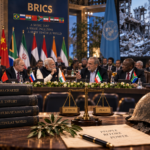
The BRICS summit in New Delhi signaled a significant shift in realpolitik as high-level diplomacy saw India welcome China, Iran acknowledge the need to back down for de-escalation, and key member nations…
AI Analysis
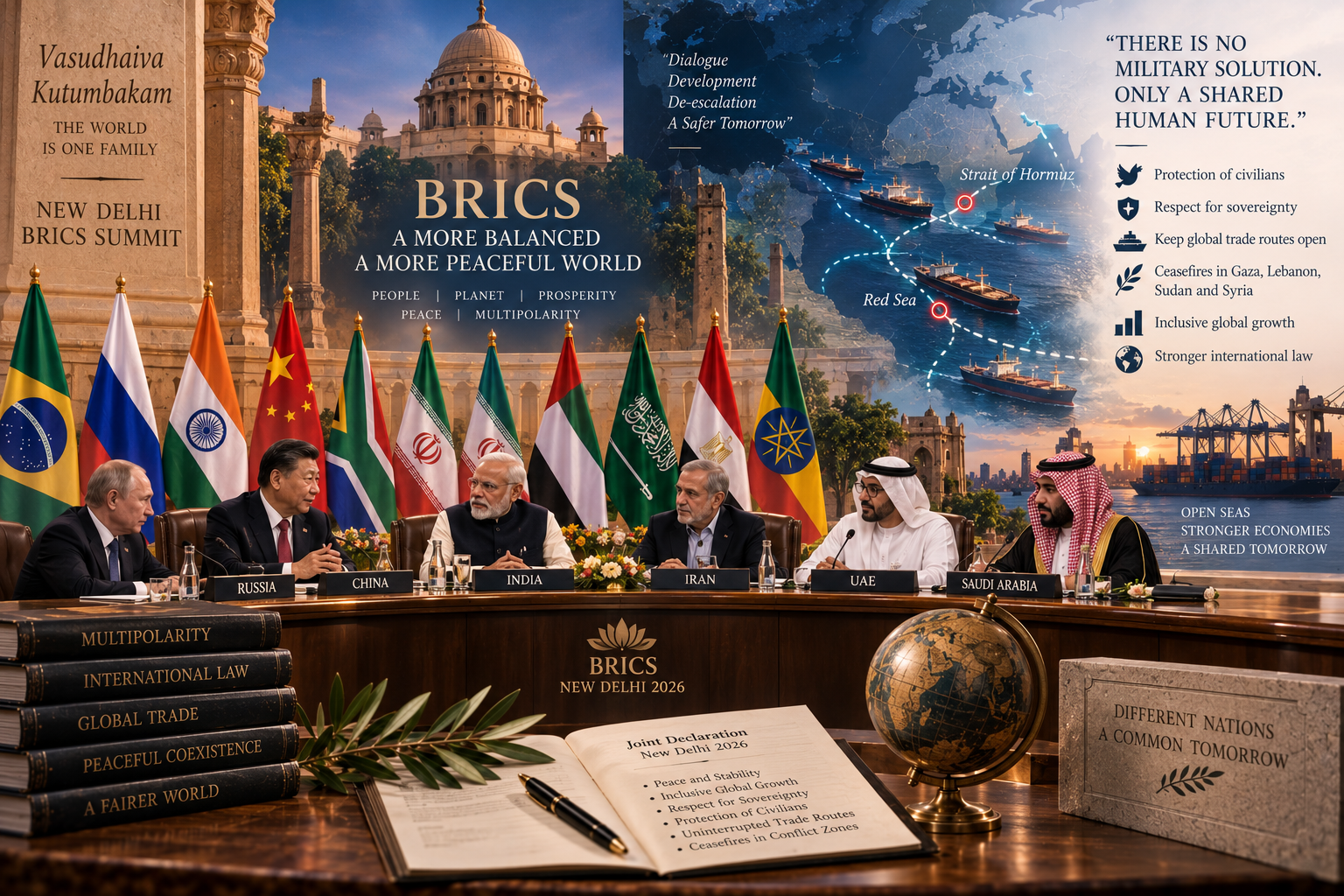
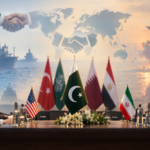
The BRICS summit in New Delhi has come as a precursor to a change in realpolitik. High-level international diplomacy saw India lay out the red carpet for China, Iran recognise the need to back down for de-escalation, and the UAE condemn attacks on nuclear facilities under IAEA safeguards. The fact that the joint statement called for the protection of civilians, respect for sovereignty, keeping global trade routes open, and ceasefires in other Middle Eastern flashpoints – including Gaza, Lebanon, Sudan and Syria – is a breakthrough of sorts. This is tantamount to strengthening international law and global institutions, and is a departure from the prevailing world order dominated by the United States.
The 11-nation multilateral body has come a long way since May this year, when its foreign ministers differed over a proposed joint declaration. This time around, they emphasised the need for “inclusive global growth”. As a conglomerate of nations representing 50% of the world’s population, 40% of global GDP and more than 25% of global trade, the group tactically hinted at a consensus to fend off global economic shocks that impact them, while working toward a calibrated move on a gold-backed BRICS currency to replace the heavily pressured US dollar.
Saudi Arabia and the UAE, as two key allies of the US, and India, despite retaining close ties with Israel, were seen looking beyond immediate geopolitical exigencies to call for a new world order for the collective good of humanity. President Xi Jinping’s first visit to New Delhi since 2019, along with Iranian President Masoud Pezeshkian’s debut in deliberations with special representatives from the UAE and Saudi Arabia, has surely led to some much-needed ice-breaking.
As President Xi called for a political settlement to the war in the Middle East, Russia and Iran backed the proposal. That in itself is a laudable achievement. The bare minimum required is to broker a thaw over the shipping lanes in the Strait of Hormuz and the Red Sea, ensuring that supply lines remain uninterrupted. While BRICS mobilising for tranquility is appreciated, Washington too must put its weight behind the declaration. The bottom line is that there isn’t a military solution.
Article Authors

Editor
This contributor is identified as an editor. No further information about background or field of work is provided.
View Profile

Comments