



Trump can’t win
Six months into the second US-Israeli war, the conflict has degraded into an unsustainable stalemate as Iran continues to fight, escalate, and resist surrender despite suffering immense casualties, the loss of its…
AI Analysis
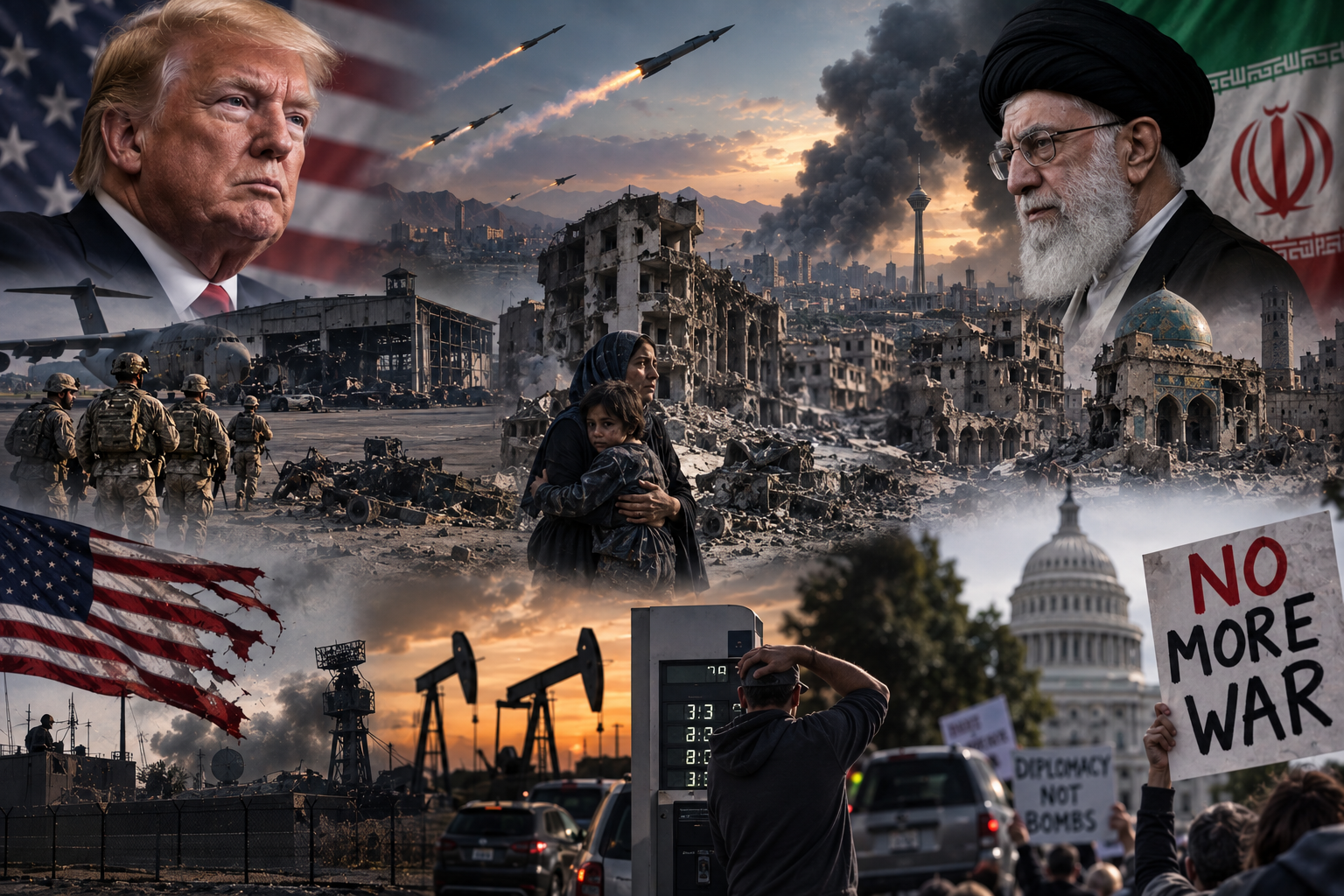
Six months into the second US-Israeli war on Iran, the Trump administration’s message is that Iran is weakening, the United States is winning, and the costs of war will be temporary. That narrative is hard to sustain as the war drags on, gas prices rise, US munitions stocks dwindle, and a majority of Americans oppose the war, opposition they will make known in the November midterm elections.
Despite overwhelming military and economic pressure, as well as the loss of a head of state, the Islamic Republic of Iran is still fighting, still capable of escalating, and still unwilling to surrender. The United States and Israel have caused enormous destruction, without compelling Tehran to accept Washington’s demands. The question, known before the war and abundantly clear now, is not whether the United States can inflict more damage on Iran. The question is how additional damage would produce a victory.
Last week President Donald Trump dismissed the conflict as “small potatoes,” minimizing a war that has lasted far longer and imposed greater costs than his administration initially suggested. The conflict has killed 18 American service members, wounded more than 750, and cost US taxpayers at least $37.5 billion.
The cost to Iran has been far greater. By June 10, at least 3,468 people had been killed and more than 26,500 injured in US and Israeli attacks, according to figures from Iran’s Ministry of Health. Civilian casualties have been recorded throughout the conflict, including in strikes on an elementary school in Minab in February and on a wedding gathering in southern Iran in September. The Iranian Red Crescent reported that more than 125,000 civilian units had been damaged by April, including approximately 100,000 homes. Iran also submitted a list of 134 damaged cultural sites to UNESCO, while Reuters documented damage to historic buildings and protected sites.
Iran demonstrated that it can impose substantial costs on the United States. An analysis found that Iranian strikes damaged 15 US military sites across the region, including barracks, hangars, fuel depots, aircraft, radar systems, communications equipment, and air-defense systems.
US Central Command disputed descriptions of the damage. The strikes nevertheless exposed the vulnerability of fixed US facilities and the cost of defending them against sustained Iranian missile and drone attacks.
“The Trump administration – and likely the Pentagon itself – overestimated the ability of the United States and Israel to quickly subdue Iran’s military,” Harrison Mann, associate director for campaigns at Win Without War and a former US Army officer and intelligence official, told the International Policy Journal (IPJ). “They were never able to locate or destroy the majority of Iran’s drones and missiles, nor destroy enough of its air defenses that US aircraft could fly freely over the entire country.”
“Ultimately, Trump discovered it’s not possible to fight a prepared, 21st-century military – even one objectively weaker than America’s – and still conceal the costs from the public like previous US military interventions in the region,” Mann added.
Article Authors





Comments