



The Evolving Strategic Landscape (Part I)
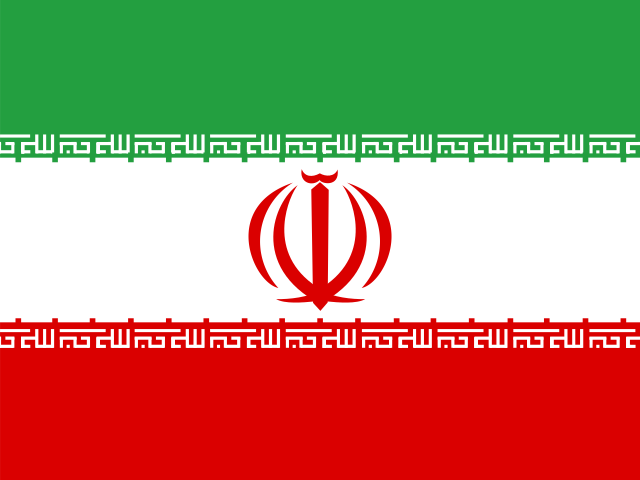
Following the June 2025 US attacks on Iran's nuclear installations, the military conflict escalated dramatically on February 28, 2026, when a combined US-Israel strike targeted Iran's top leadership, resulting in the martyrdom…
AI Analysis
The strategic landscape has been evolving at a rapid pace particularly since the US’ withdrawal from Afghanistan in August 2020. The events which have taken place since then cannot be replicated at any other time.
First, it was Russia’s attack on Ukraine on 24 February 2022, perhaps to preempt Ukrainian joining of NATO. Russia had long been saying that Ukraine is its red line, and it will not let the country join NATO under any circumstances. The war continues and has entered its fifth year and during this period Russia has captured some 27 per cent of the Ukrainian territory in the Donbas region. Soon after President Trump’s take over in January 2025, it was hoped that the war might stop, however, it has getting uglier since the beginning of 2026, as Ukraine has been getting military support it needed to target Russian energy targets. The drone warfare between the two European neighbours has intensified in the last couple of months and the casualty rate has intensified on both sides.
Then it was Israeli attacks on Gaza on October 7, 2023. Israel unleashed one of the deadliest military attacks on the civilians in Gaza killing thousands of innocent non-combatants including women and children. Israelis attacked hospitals, schools, and the population centres to simply kill any and every Palestinian. Again, the ceasefire depended on President Trump’s promises during his election campaign with the Muslim voters, and he did make significant effort in this regard. However, Israeli Prime minister Netanyahu was adamant to pursue eliminating Hamas and Hezbollah. Though the ceasefire was achieved in January 2025, the occasional Israeli bombings have continued at will. Israel continues to target Southern parts of Lebanon also to eliminate Hezbollah, and since occupied a significant part of the country.
The 23-minutes long barrage of surface-to-surface missiles and drones on Pakistan was well responded by Pakistan Air Force by downing at least six fighter jets of Indian Air Force in a 58-minute long ‘Beyond Visual Range’ engagement, the longest air engagement since the end of WW II.
In South Asia too, the situation changed from ‘No Peace-No War’ to an unprovoked Indian attack on Pakistan’s counterforce and countervalue targets on the night of May 7, 2025. The 23-minutes long barrage of surface-to-surface missiles and drones on Pakistan was well responded by Pakistan Air Force by downing at least six fighter jets of Indian Air Force in a 58-minute long ‘Beyond Visual Range’ engagement, the longest air engagement since the end of WW II.
Then came the US’ attacks on Iran’s nuclear sites in June 22, 2025, when President Trump decided to start a new war. The reason cited for attacks remain Iran’s nuclear programme which is perceived by the US and Israel as a threat to regional security, whereas Iran continues to maintain that it is not pursuing a nuclear weapons programme.
Qatar, a peaceful state, its Capital Doha also came under an Israeli attack on September 9, 2025, in which several Hamas leaders and a few Qatari officials were martyred. This was an uncalled-for attack and first of its kind by Israel on the soil of any Gulf Cooperation Council country.
While Russia-Ukraine war was intensifying, the US and Israel decided to open a new warfront and made a coordinated attack to eliminate Iran’s leadership. On February 28, 2026, in a combined attack by the US and Israel, Iran’s spiritual leader Ayot Ullah Khamenie and his close family members embraced Shahadat. Subsequently, the USAF continued its attacks on Iran’s counterforce and countervalue targets killing school children, political leaders, and non-combatants.
Iran reacted sharply and retaliated against Israel as well US military establishments in the GCC. The most hit GCC country was UAE and Bahrain. Kuwait, Qatar and Saudia Arab were also hit. Iran maintained that it is only attacking the US military installations, however, the civilian targets were hit in these countries as well.
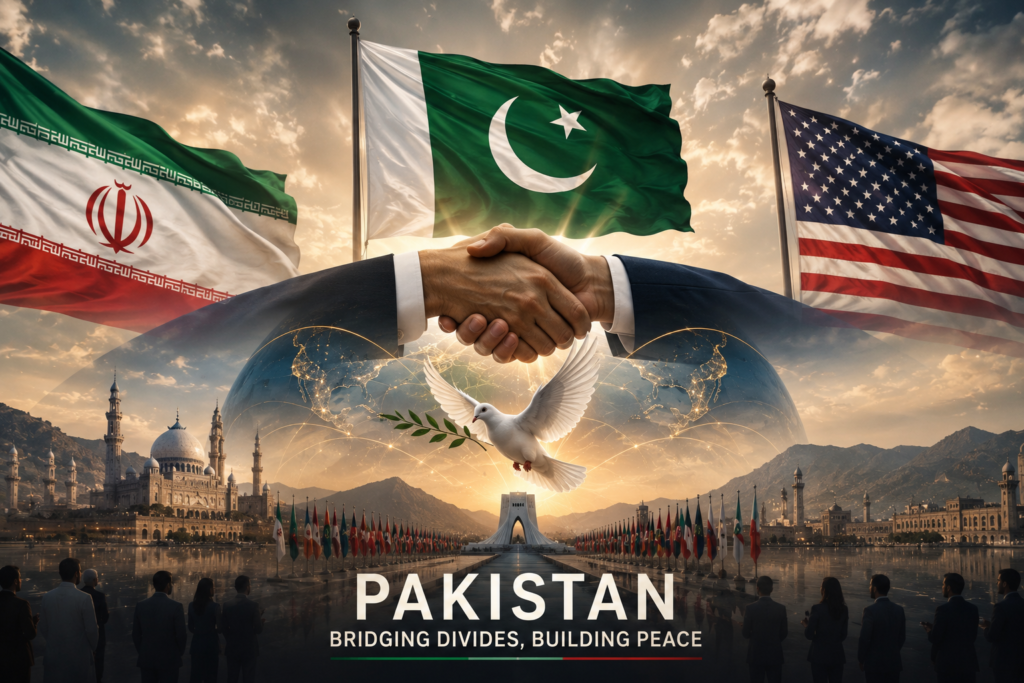
Pakistan took the initiative to stop this needless war and with the help of other brotherly states like Qatar and Türkiye, convinced and invited the US and Iran to Islamabad for peace talks. The US delegation was led by the Vice President JD Vance, whereas the Iranian delegation weas led by Parliamentary Speaker Mohammad Bagher Ghalibaf. The marathon talks in Islamabad did make some progress; however, no formal agreement could be signed after the first meeting.
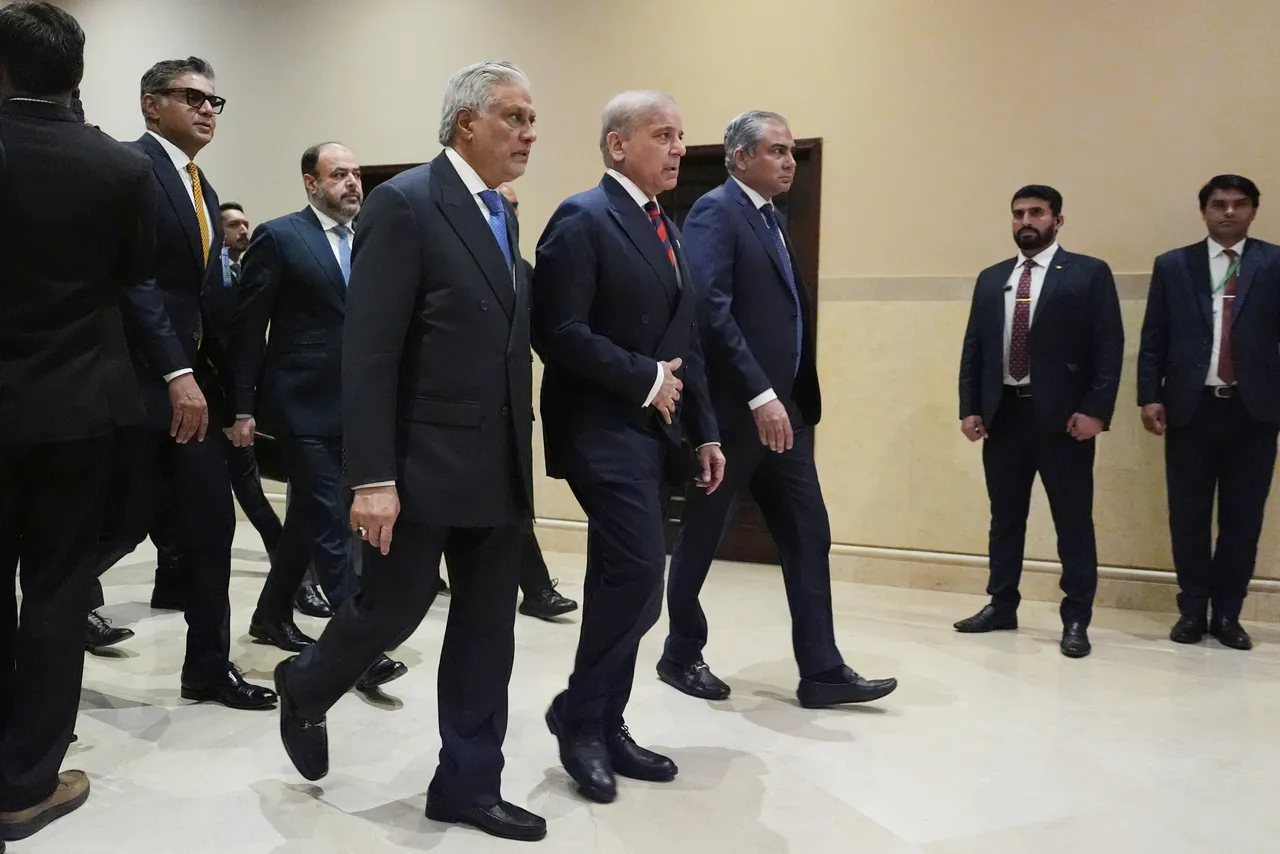
Iran, besides responding to the US attacks, also took the war to the next level and announced a blockade of the Strait of Hormuz. Iran forced the closure of the Strait and ensured that no sea-transportation takes place through the Straits.
Iran’s decision to close the Strait had a significant impact on the supply chain management of numerous goods and services in general and energy supplies and prices. Foregoing, the cracks appeared among the global stakeholders, and many European allies denounced their support to Trump’s war on Iran, calling it a Netanyahu’s war, only.
The Part II, next week, In Sha Allah, will continue to highlight the significance of evolving strategic landscape due to ever-increasing wars and conflicts since the US’s withdrawal from Afghanistan in 2020.
Article Authors

Dr Zia Ul Haque Shamsi
The writer of this article has authored four international books: Nuclear Deterrence and Conflict Management Between India and Pakistan, South Asia Needs Hybrid Peace, Understanding Sun Tzu and the Art of Hybrid War, and Diplomacy and Deterrence.
View Profile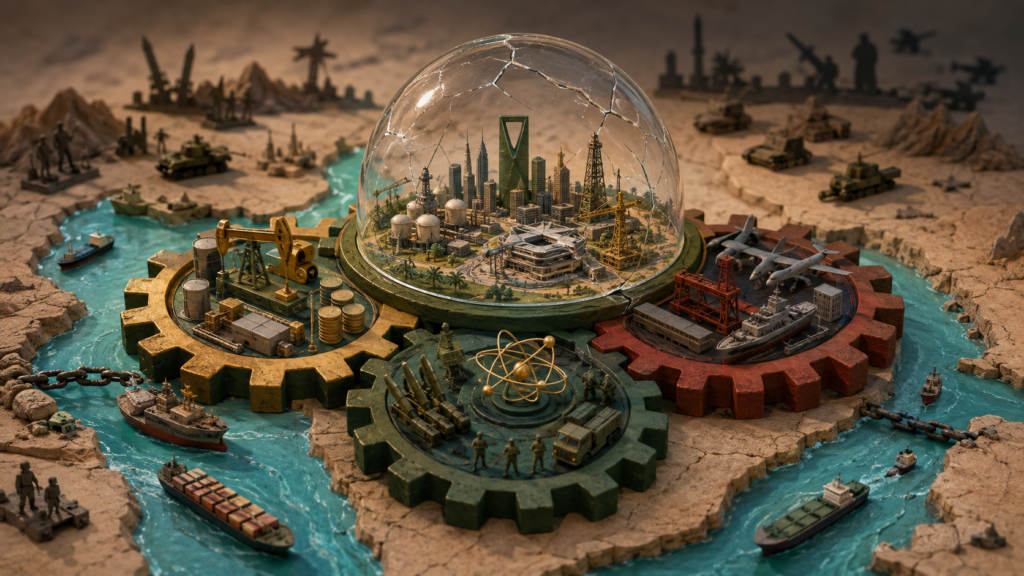

Comments