



Video could not load. Press play to retry.
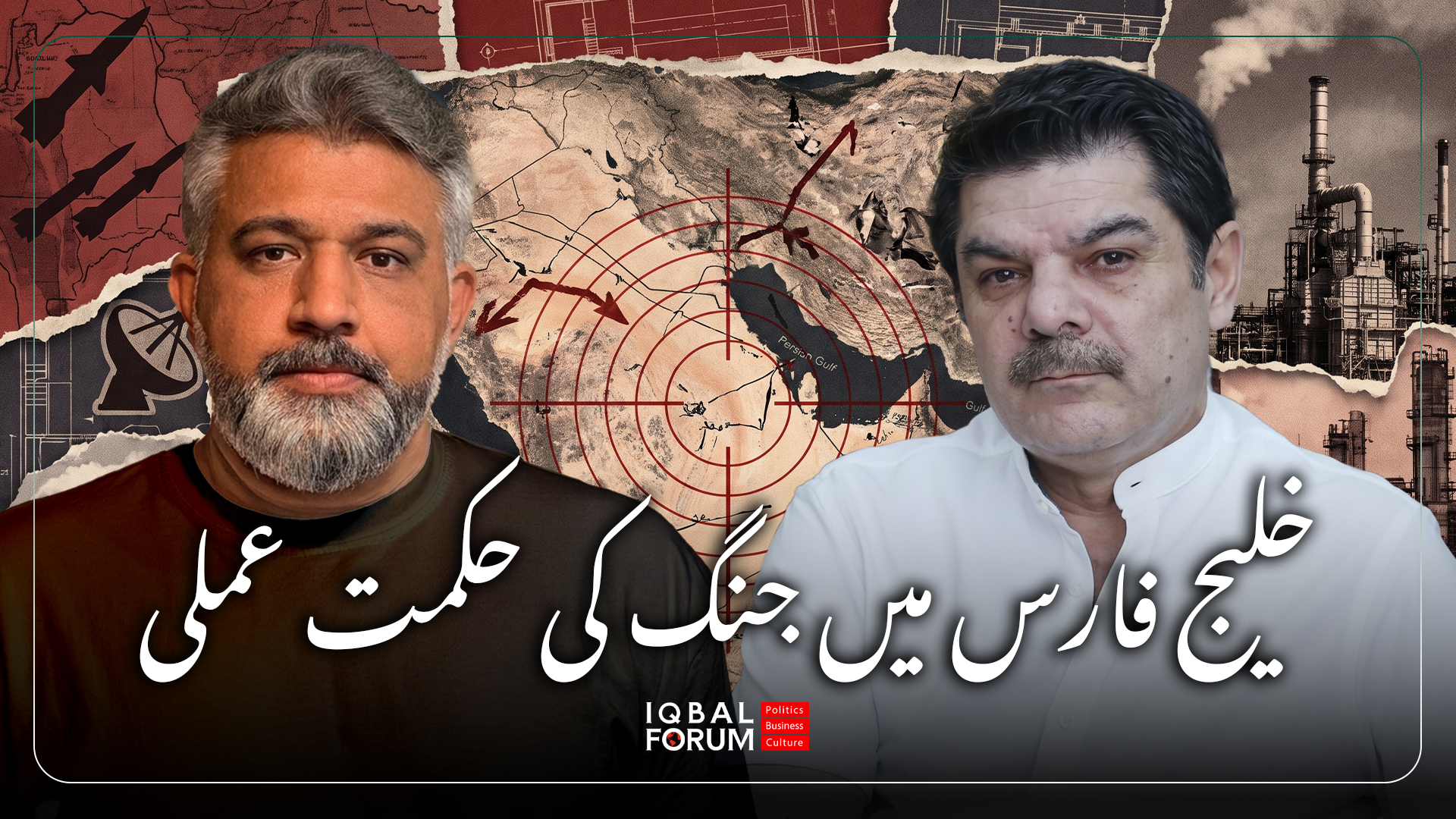
Analysis of Mohammad Hossein Bagheri’s Interview: Director of the Iqbal Think Tank on Mubasher Luqman’s Podcast – From Social Realities to the Strategy of an All-Out War in the Persian Gulf
Western Media War and the Real Image of Iran and Pakistan Mutual negative portrayal: Western media have created a frightening image of Pakistan as an insecure country in the minds of Iranians, while portraying an inaccurate picture of the situation...

Western Media War and the Real Image of Iran and Pakistan
- Mutual negative portrayal: Western media have created a frightening image of Pakistan as an insecure country in the minds of Iranians, while portraying an inaccurate picture of the situation of women in Iran to the Pakistani public.
- The reality on the ground in Iran: Contrary to Western propaganda, Iranian women are described as being highly active and confident in society, occupying roles ranging from business management and bank leadership to driving public transportation fleets.
- Travel as the antidote to propaganda: According to the speaker, the truth should be seen firsthand. He argues that tourists who visit Iran and observe its infrastructure and culture often feel as though they have traveled to Europe.
Balance of Power: From the “Poisoned Chalice” of the 1980s to Deterrence in 2026
- A 40-year shift in the balance of power: During the final years of the Iran-Iraq War, Mohsen Rezaei, then commander of the IRGC, reportedly informed Ayatollah Khomeini that Iran lacked the capability to confront the U.S. Air Force and Navy. According to the speaker, today the situation has completely changed, and Iran has demonstrated its strength against the United States in a hypothetical 40-day war.
- Infrastructure as a red line and the policy of retaliation: The speaker claims that Iran has lost commanders, leaders, and scientists in recent conflicts and therefore believes it has little left to lose. He characterizes the conflict as an existential struggle for Tehran.
The Strategy of “Imposing Costs” on America’s Regional Partners
- A proportional response in the Persian Gulf: The speaker claims that after U.S. missiles destroyed an Iranian desalination plant in southern Iran, Iran responded by targeting a desalination facility in Kuwait.
- Who stands to lose more?
- Iran: The speaker claims Iran obtains only about 2% of its drinking water from desalination plants.
- Arab states: Gulf Arab countries are described as being heavily dependent on desalinated water. According to the speaker, they would suffer the greatest losses if such infrastructure were damaged.
- A direct message to Dubai, Bahrain, and Qatar: The speaker warns that if the United States attacks Iranian infrastructure, airports and skyscrapers in Dubai and Bahrain would not remain safe, and Qatar’s infrastructure would also become targets. He argues that regional states should shut down U.S. military bases.
Global Energy Crisis and Trump’s Strategic Deadlock
- Oil crisis: The speaker states that oil prices have already risen above $80 per barrel and predicts that, if the war continues for another two or three months, prices will surge further, forcing the world to bear the costs of what he describes as U.S. expansionism.
- Expansion of the war: He argues that there is a high likelihood of the Bab el-Mandeb Strait being closed and the conflict spreading to the Red Sea. According to him, any attempt to impose a naval blockade on Iran would fail, and any U.S. military action on Iranian territory or islands would incur severe costs.
- Why doesn’t Israel intervene? The speaker claims that Israel knows any direct involvement would trigger an immediate Iranian missile response against Israeli territory.
Final Outlook: Returning to the Negotiating Table Under Tehran’s New Terms
The speaker argues that Donald Trump is trapped in a strategic dilemma: he cannot escalate the war because of the heavy costs for U.S. allies, nor can he withdraw without achieving results, as Iran would retain control over the Strait of Hormuz.
According to the speaker, after several months of attritional warfare, Washington would have no choice but to return to negotiations. He further claims that, this time, the United States would have to accept all of Iran’s conditions and those of Ayatollah Mojtaba Khamenei.
