



Video could not load. Press play to retry.
Field Developments and the New Deterrence Equation: Dimensions of the Iran–U.S. Confrontation
Field Developments and the New Deterrence Equation: Dimensions of the Iran–U.S. Confrontation Amid escalating regional developments, defense doctrines and military equations have entered a new phase. Muhammad Hussain Baqeri, a senior international affairs expert and Director of Iqbal Forum, in...

Field Developments and the New Deterrence Equation: Dimensions of the Iran–U.S. Confrontation
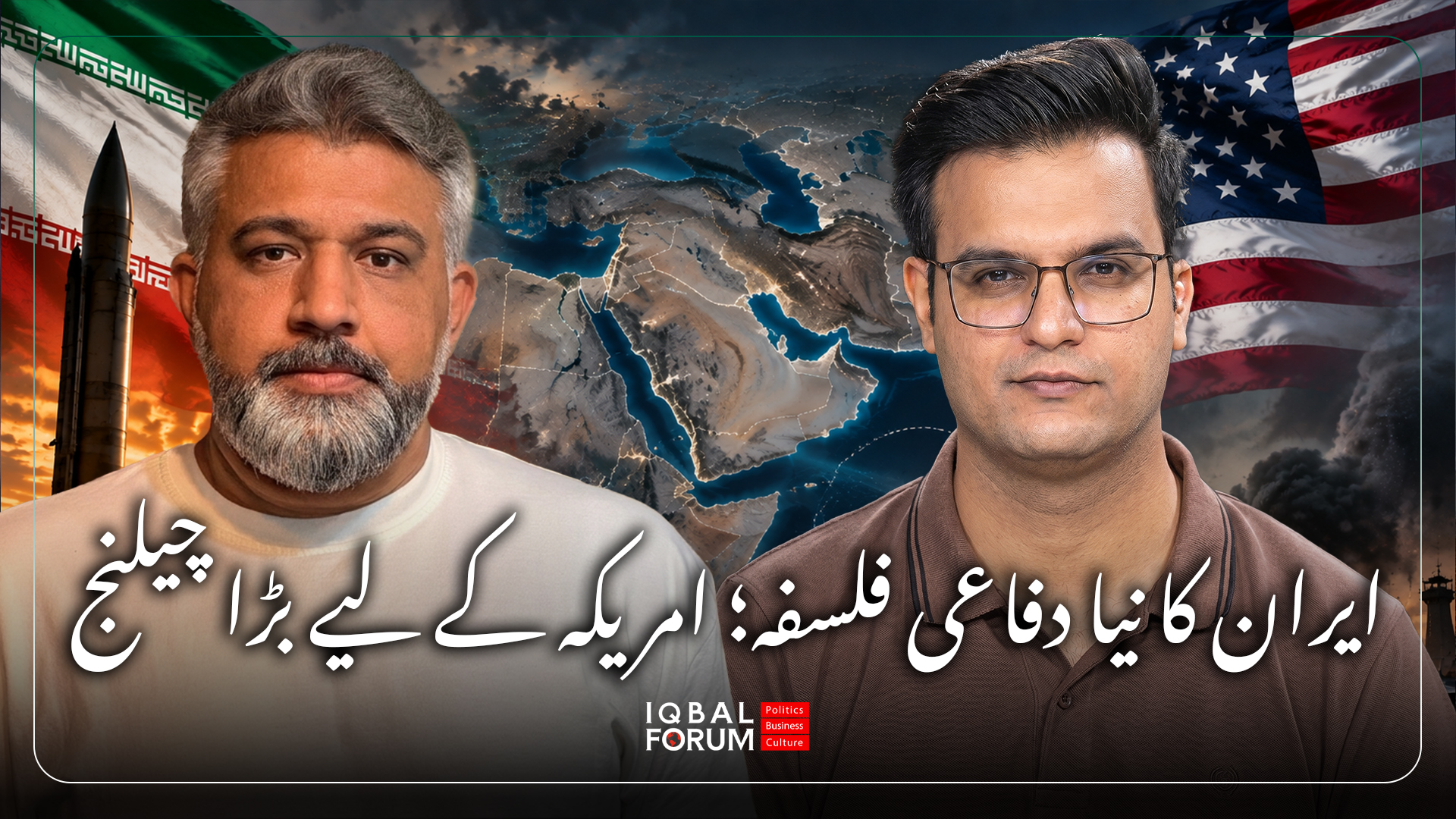
Amid escalating regional developments, defense doctrines and military equations have entered a new phase. Muhammad Hussain Baqeri, a senior international affairs expert and Director of Iqbal Forum, in an interview with Pakistan’s Sono News Network, examined Iran’s latest missile achievements, the actual losses sustained by the American side, and the future of regional security arrangements.
1. Unveiling of the “Qassem Basir” Missile and a Leap in Deterrence
The “Qassem Basir” hypersonic anti-ship ballistic missile, powered by solid fuel, has a range of 1,200 to 1,400 kilometers, a 500-kilogram warhead, and a radar-evading carbon-fiber body. Furthermore, the capture of the U.S. Dive-LD underwater drone demonstrated that Iran, much like its previous experience of capturing an intact RQ-170 drone, is turning emerging threats into technological advantages.
2. Heavy U.S. Losses in Jordan and the Dimensions of Western Media Deception
Contrary to Washington’s claims, international reports, including those attributed to CBS, revealed that eight U.S. F-15 fighter jets and one A-10 aircraft were destroyed in an Iranian missile strike on Muwaffaq Salti Air Base in Jordan. Iran reportedly fired 40 cluster missiles equipped with upgraded warheads, designed to activate at an altitude of two to three kilometers, precisely targeting the new CENTCOM hub.
3. Legal Distinction Between Iran’s Legitimate Attacks and U.S. Crimes
The U.S. use of cluster bombs against civilians in residential areas of Tehran constitutes a clear war crime. In contrast, Iran’s cluster missiles were used exclusively against military bases and equipment belonging to U.S. forces described as aggressors, without causing damage to Jordan’s urban infrastructure.
4. Iran’s New Foreign Policy Doctrine: Active Deterrence
Iranian foreign policy has undergone a “fundamental shift in discourse.” Countries are no longer assessed primarily on the basis of their diplomatic rhetoric, but rather on their “practical conduct” and their refusal to cooperate with Iran’s adversaries. Iran’s current logic is that peaceful coexistence requires remaining constantly prepared for conflict.
5. Historical Roots of the Yemen Crisis and Iran’s Principled Position
The disputes between Saudi Arabia and Yemen date back to the 1930s and the Treaty of Taif and have not been resolved by a decade of bombardment. Based on the strategy associated with Martyr Soleimani, Iran’s position is to support neighboring countries against foreign aggression and to stand with oppressed nations. The only solution to the Yemen crisis is direct negotiations with Ansarullah.
6. Baseless Claims of Arms Supplies from China and Russia
Claims that Beijing and Moscow are supplying Iran with weapons are unfounded, as Washington itself does not have such concerns. Iran relies on its indigenous capabilities, while its cooperation with China and Russia is defined primarily in diplomatic—particularly at the UN Security Council—and economic dimensions.
7. Expansion of Strategic Influence Across Maritime Chokepoints
Iran has expanded the geographical scope of its deterrence from the Strait of Hormuz to Bab al-Mandab, the Gulf of Aden, and international waters. Iran’s objective in establishing influence over key maritime routes is to raise the cost of any military aggression to such a level that the possibility of another attack is reduced to zero.
8. Iran’s Condition for Joining New Security Arrangements
Iran maintains that regional security should be provided by the Islamic countries of the region themselves. Tehran’s condition for joining any security bloc is “complete independence from U.S. interventionist policies” and “non-alignment with the objectives of the Israeli regime.”
