



Diplomacy’s Dividend
UN Secretary-General Antonio Guterres credited Pakistan with playing a pivotal role in bringing the United States and Iran back to diplomacy through the talks that led to the Islamabad memorandum and a…
AI Analysis
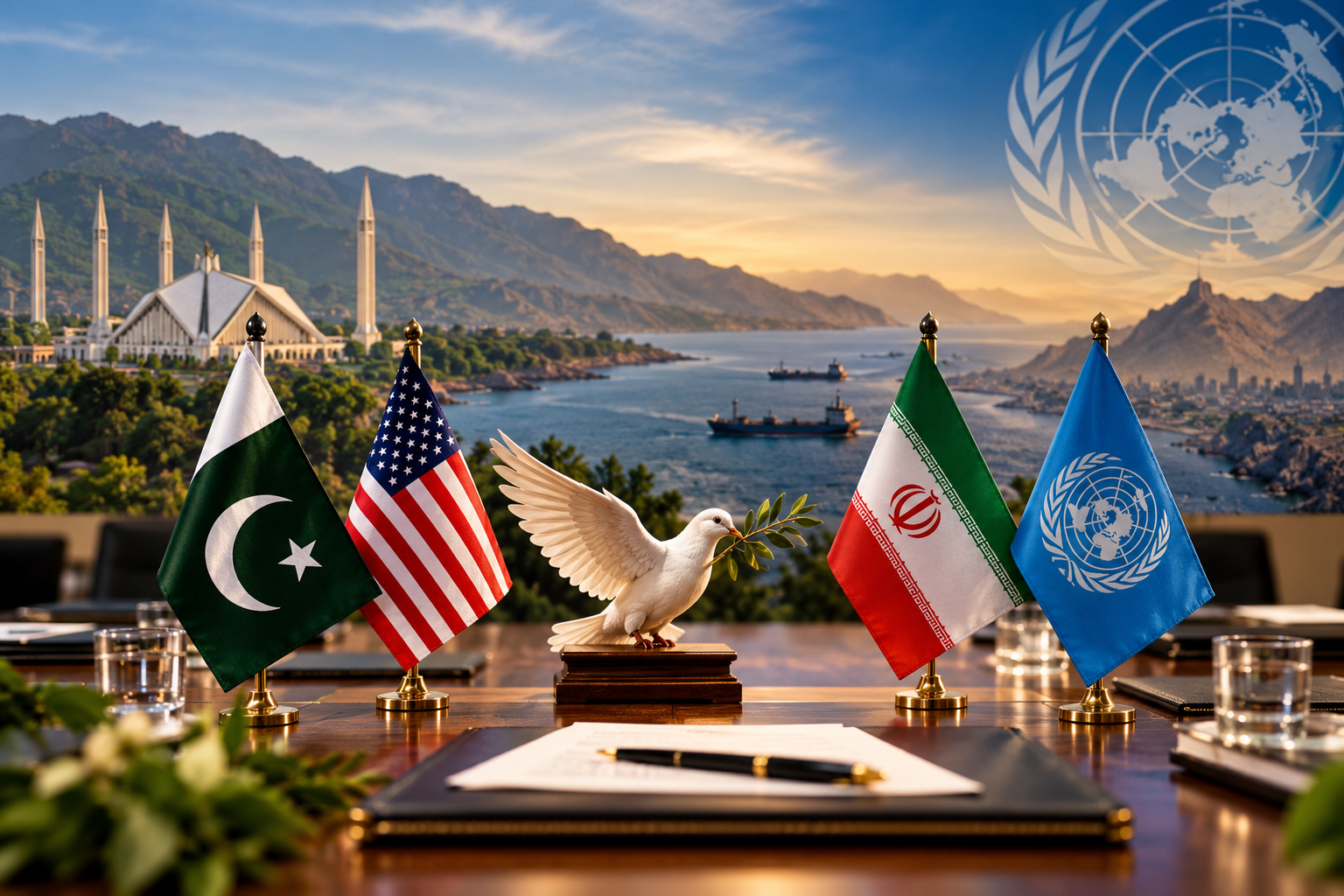
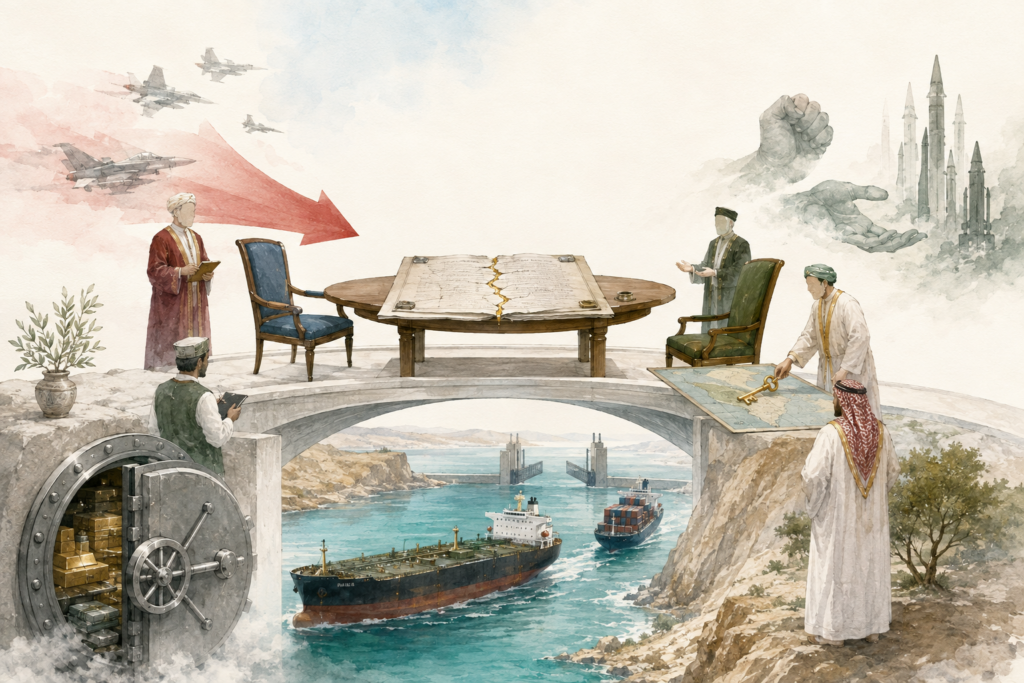
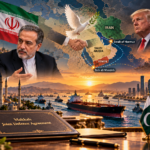
Diplomacy’s DividendUN Secretary-General Antonio Guterres, on Tuesday, credited Pakistan with playing a “pivotal role” in efforts to bring the United States and Iran back towards diplomacy, pointing to Islamabad’s part in the talks that produced the Islamabad memorandum and the ceasefire that followed.
His remarks have landed at a time when the conflict remains unsettled, and disagreements over sanctions, maritime security and implementation of earlier commitments continue to hold up further progress. For Islamabad, they also amounted to unusually direct international recognition of a diplomatic effort that required it to maintain working channels with Washington, Tehran and several regional capitals at the same time.
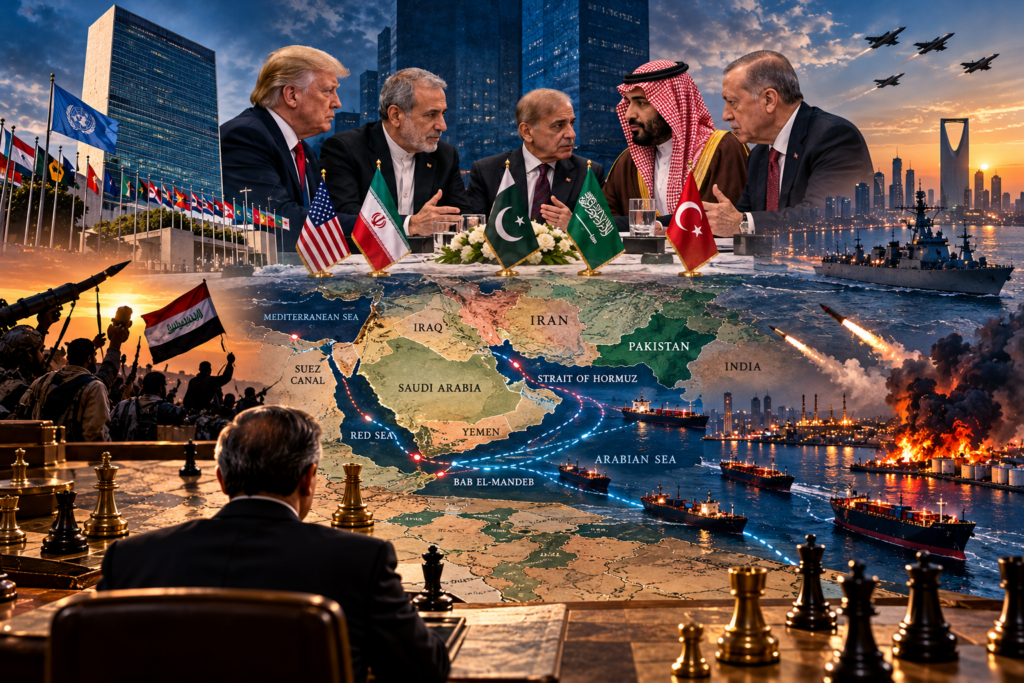
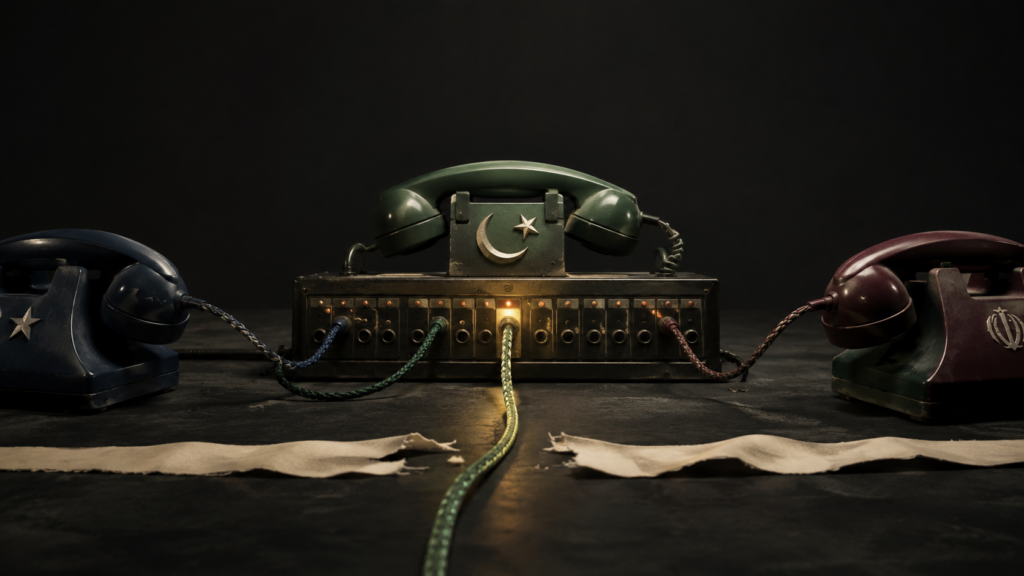
Pakistan’s role was never going to be easy. Iran is a neighbour with which Islamabad cannot afford prolonged instability. Meanwhile, the US remains an important political and economic partner, and Saudi Arabia, Qatar and Türkiye have their own stakes in the conflict. Keeping all those channels open while hostilities were still shaping calculations on both sides required careful diplomacy.
The Islamabad memorandum did not settle every dispute. Nor did the ceasefire remove the bigger differences that had produced the confrontation. What it did was create enough space for the two sides to step away from immediate escalation and return to negotiations.
Guterres’ appeal for a return to diplomacy therefore deserves attention. Tehran and Washington are still apart on key issues, while the Strait of Hormuz remains tied to the wider dispute. Pakistan’s usefulness will now depend less on what was achieved in June and more on whether it can help prevent the existing understandings from unravelling.
There is a broader point here for Pakistani foreign policy. Islamabad has often argued that its geography gives it strategic relevance. During the Iran conflict, it was able to speak to parties that had increasingly little room for direct engagement and help keep a diplomatic channel alive. Guterres also acknowledged Pakistan’s wider contribution to the United Nations, particularly its peacekeeping record and its role in initiatives aimed at protecting peacekeepers and promoting accountability for attacks against them.
That recognition comes as Ambassador Asim Iftikhar Ahmad prepares to return home to take charge as foreign secretary after two unusually demanding years in New York. His tenure covered Gaza, tensions with India, the Iran conflict and a sharply divided Security Council. The steady handling of Pakistan’s UN diplomacy during that period deserves credit.
Pakistan does not need to oversell what it achieved. The conflict remains unresolved, and the diplomatic gains remain vulnerable. The important point is simpler: when one of the world’s most dangerous confrontations needed a channel back to negotiation, Islamabad was in the room and was trusted enough to help keep it open.
About the Author

Editor dailytimes
No biographical details were provided for Editor dailytimes in the input data. This entry records the byline as an author profile without additional supplied facts.
Profile and all publicationsHow to Cite This Article
dailytimes, Editor. “Diplomacy’s Dividend.” Iqbal Forum, October 8, 2026. https://iqbalforum.org/en/?p=51059.


Comments