



Peace around the holy mosques
Saudi Arabia holds a unique status in the Muslim world due to the holy cities of Makkah and Madinah, making its security a matter of deep concern for the entire Ummah, especially…
AI Analysis
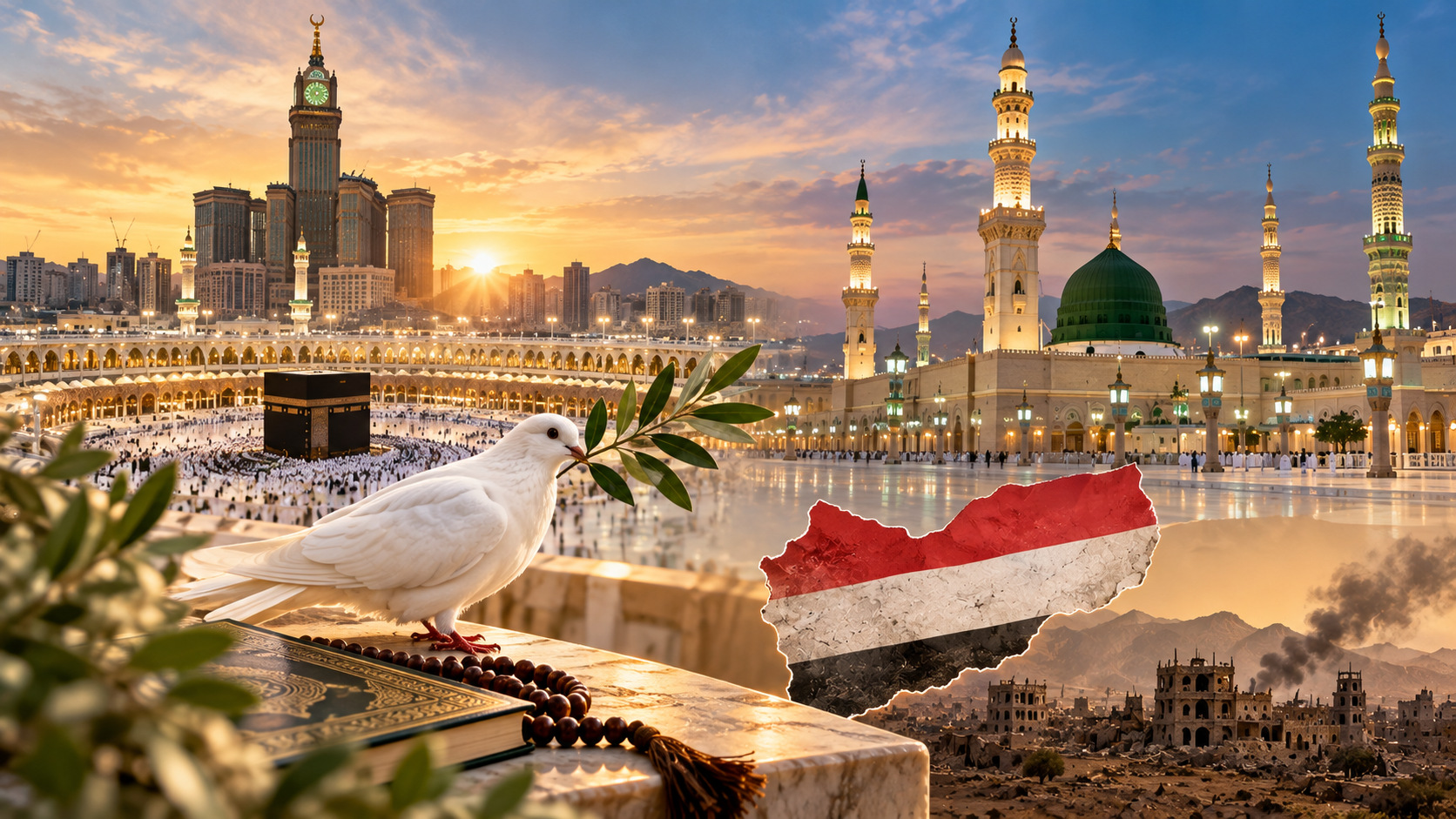
MANY countries around the world hold significance because of their geographical boundaries, economic strength and political influence. However, Saudi Arabia occupies a position that goes far beyond these considerations. Every year, millions of Muslims from across the world travel there to perform Hajj and Umrah. For this reason, the security of Saudi Arabia is not merely a matter of one country’s national security; it is also deeply connected to the religious sentiments and spiritual attachment of the entire Muslim Ummah. Therefore, any attack on Saudi Arabia by Yemen’s Houthi Movement is naturally a matter of serious concern.
Relations between the Houthi Movement and Iran have long been a subject of international debate. Several international reports have referred to various forms of Iranian support for the Houthis. However, any claim regarding Iran’s direct involvement in a particular attack must be assessed on the basis of the available evidence. Maintaining this distinction is essential because an accurate understanding of the region’s complex problems and the search for lasting solutions, require a clear separation between established facts and allegations. Nevertheless, if Iran possesses political or diplomatic influence over the Houthis, it has an important responsibility to use that influence to reduce tensions and help prevent attacks against Saudi Arabia. Iran and Saudi Arabia have experienced disagreements and periods of tension in the past. However, efforts to improve relations between the two countries demonstrate that diplomacy can help bridge differences. If both countries seek to resolve their disputes through negotiations, the positive effects could extend to Yemen and the wider Middle East.
For Muslims, Makkah and Madinah are not merely two cities. They are the great centres of faith, worship, history and spiritual devotion. Muslims living in every part of the world share a profound emotional and religious bond with these sacred places. This is why peace and security in Saudi Arabia hold special importance for the entire Muslim world. The Houthi Movement must also recognize that political differences and regional disputes cannot be resolved through attacks on civilian populations or critical infrastructure.
The people of Yemen have themselves endured years of war, poverty, displacement and humanitarian suffering. Further military operations could aggravate these hardships. If the Houthi leadership is genuinely committed to Yemen’s future and the welfare of its people, it should adopt a strategy that opens the way for negotiations and lasting peace.
For Iran, this is an important opportunity to link its regional role with the promotion of peace rather than the escalation of tensions. Iran should use its influence over the Houthi Movement constructively and play an effective role in preventing attacks against Saudi Arabia. The Houthis, too, should give priority to political negotiations rather than military operations.
Despite their mutual differences, Saudi Arabia, Iran, Yemen and other regional countries must seek common pathways to peace. It must always be remembered that safeguarding the holy sites, protecting human life and promoting peace and brotherhood among Muslim countries are principles that must never be compromised. The true strength of the Muslim Ummah does not lie in confrontation but in unity, justice, wisdom and the establishment of peace.
About the Author

Rana Zahid Iqbal
The writer is contributing columnist, based in Faisalabad
Profile and all publicationsHow to Cite This Article
Iqbal, Rana Zahid. “Peace around the holy mosques.” Iqbal Forum, October 13, 2026. https://iqbalforum.org/en/?p=51659.







Comments