



Is Iran the Only One Gloating over Trump’s Embarrassment? (Part I)
Donald Trump’s war intended to bring Iran to its knees has instead crippled his own political fortunes, as Iran survived eight months of American and Israeli military onslaught while Democrats captured both…
AI Analysis
Is Iran the Only One Gloating over Trump’s Embarrassment? (Part I)
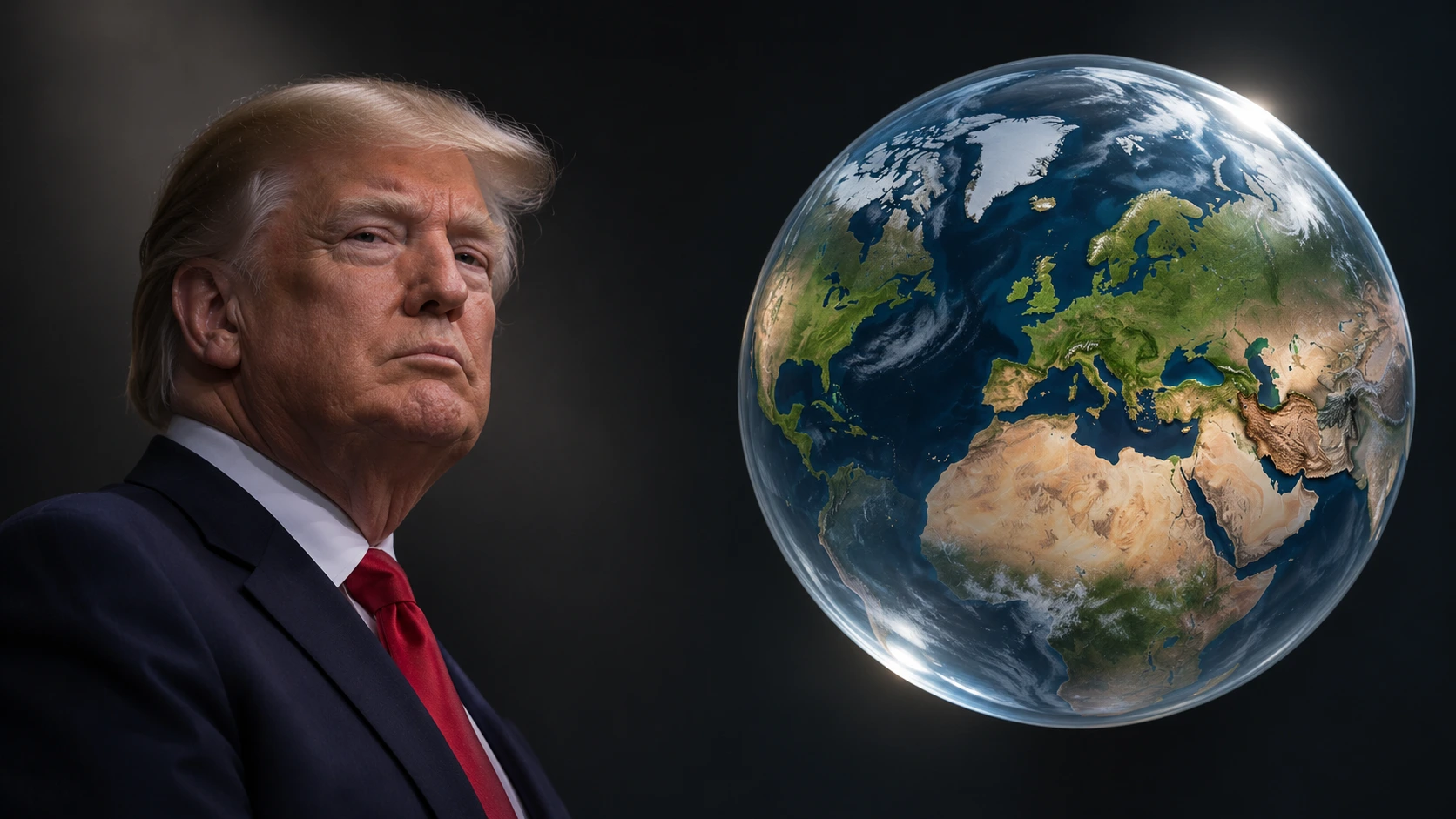
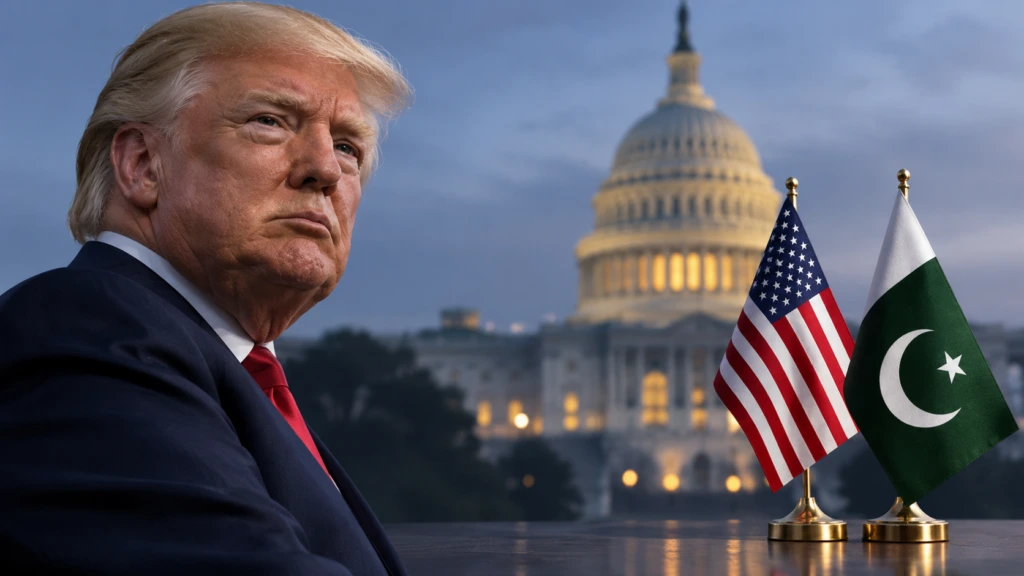
If Donald Trump went to war to bring Iran to its knees, the irony is that the war has brought his own political fortunes to their knees.
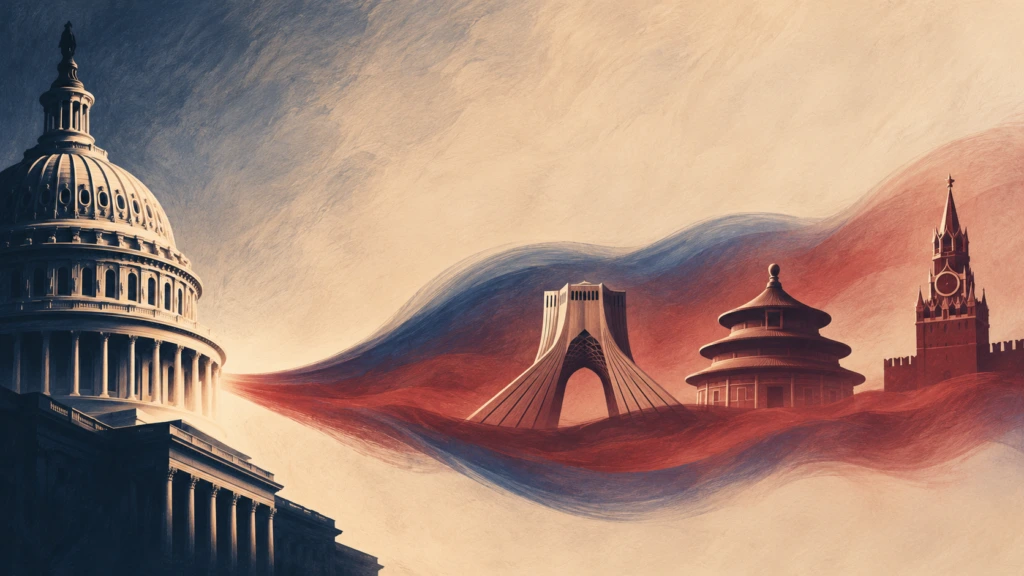
Tehran has survived eight months of American and Israeli military onslaught, while Trump has suffered a spectacular electoral rebuke at home. The Democrats have captured both chambers of Congress, ending Republican control of Capitol Hill and making the final two years of his presidency a far more complicated proposition.
Iran, understandably, has reasons to savour the moment. But is it alone?
Across the world, there are governments and political leaders who may not be celebrating publicly but have little reason to mourn a setback for a President whose approach to international relations has often resembled a combination of real-estate bargaining, television theatrics and diplomatic intimidation.
But an important qualification is necessary. A weakened Trump does not necessarily mean a weakened America, and a Democratic victory does not automatically reverse American foreign policy. Nor does every country irked by Trump wish to see the United States diminished.
Yet the election has exposed the political costs of a foreign policy that has alienated friends, unsettled allies and given adversaries opportunities to exploit Washington’s divisions.
For Tehran, the result is more than a symbolic victory. The war has inflicted serious damage on its military capabilities and infrastructure, but it has not produced the decisive political outcome that Washington and Tel Aviv appeared to seek.
Iran’s nuclear question remains unresolved, the Strait of Hormuz has become a strategic pressure point, and the conflict has imposed substantial economic costs on the United States and the wider world.
Trump now faces a Democratic Congress with greater capacity to investigate the conduct of the war, scrutinise expenditure and challenge its continuation. The conflict has also divided his own political camp. Vice-President JD Vance has blamed the war for the Republican defeat, while other prominent Republicans have questioned its duration and cost. Tehran can reasonably conclude that time and domestic American politics may now be working in its favour.
Britain finds itself in a familiar predicament: too closely tied to Washington to disregard its choices, yet too exposed to the consequences of American unpredictability to welcome another period of uncertainty.
But it would be premature to declare Iran victorious. Its economy and infrastructure have suffered, its regional position remains contested, and Trump retains considerable freedom to order military action before the new Congress takes office. A politically bruised President may become more cautious, as some of his recent statements suggest, or more reckless, as his conduct so far has demonstrated.
Canada has had a particularly uncomfortable relationship with Trump. Tariffs, threats and repeated questioning of the value of the bilateral relationship have tested a partnership that should have been among Washington’s most dependable. Ottawa may see the Democratic victory as giving it greater room to negotiate, although Canadian officials have sensibly refrained from assuming that a change in congressional control will transform the relationship overnight.
European capitals have had ample reason to be uneasy. Trump has questioned the value of NATO, pressed European allies over defence spending, imposed tariffs and treated transatlantic relations as a transaction in which the bill is always due immediately. His political setback may be welcomed in Brussels, Paris and Berlin, but few European leaders will mistake it for a restoration of the old transatlantic relationship.
The European Union may hope that congressional scrutiny will restrain some of the more disruptive aspects of Trump’s trade and security policies. Yet the larger lesson is already being absorbed: Europe cannot base its security indefinitely on the political temperament of whoever occupies the White House.
For NATO, the result offers some temporary reassurance, not a guarantee. A Democratic Congress may resist abrupt changes to the American military presence in Europe, but it cannot easily reverse the wider strategic debate over burden-sharing and Washington’s priorities.
Ukraine has perhaps the most immediate reason to watch developments closely. Kyiv has endured an uncomfortable relationship with Trump, whose pressure for a settlement has often appeared to place greater demands on Ukraine than on Russia.
Democrats may press for continued military assistance to Kyiv and a firmer approach to Moscow. But congressional goodwill cannot, by itself, dictate the President’s negotiating position or deliver weapons overnight.
Britain, meanwhile, finds itself in a familiar predicament: too closely tied to Washington to disregard its choices, yet too exposed to the consequences of American unpredictability to welcome another period of uncertainty. London may prefer a more predictable White House, but it will have to work with the one it has.
Israel has a more direct stake in the outcome. Trump has been among its most supportive American Presidents, and Prime Minister Benjamin Netanyahu has enjoyed an unusually close relationship with him. Yet the war against Iran has become politically costly in the United States, and the Democratic victory may bring greater scrutiny of American military assistance and the conduct of Israeli operations.
The implications are not necessarily immediate. Israel continues to enjoy substantial support in Congress, and a change in the balance of power does not automatically translate into a change of policy. But the political environment is shifting. The debate over unconditional support for Israel is no longer confined to the margins of American politics. Netanyahu may find that the political protection he has enjoyed in Washington is becoming less comprehensive.
For the Gulf states, Trump’s electoral setback is not necessarily cause for celebration. Their relationship with Washington is driven less by party loyalties than by security guarantees, arms supplies, intelligence cooperation and the protection of ruling regimes.
On these fundamentals, Republicans and Democrats share a broad strategic interest in the Gulf and in containing Iran. A Democratic takeover of Congress, therefore, does not automatically threaten these relationships.
There are, however, important differences of emphasis. Democratic lawmakers have traditionally been more willing to question arms sales, scrutinise civilian casualties, challenge the conduct of regional wars and raise human-rights concerns.
Saudi Arabia and the UAE, in particular, may face closer congressional scrutiny over their regional policies and military operations. The prospect of renewed debate over Yemen, political freedoms and the treatment of dissidents is unlikely to be welcomed in their palaces.
Qatar and Oman, with their established roles in regional mediation, may find a Congress more receptive to diplomacy and de-escalation. Bahrain and Kuwait, meanwhile, will remain primarily concerned with the continuity of American security commitments.
The UAE’s position is more complicated: its confrontation with Iran makes continued American military support particularly important, even as it seeks to avoid an open-ended regional war.
The Gulf rulers, in short, have little reason to prefer one American party over the other. They may, however, find Trump’s personal and transactional approach easier to navigate than that of a Democratic Congress more inclined to attach political and human-rights conditions to the relationship. Their concern is not that America will abandon them, but that the terms of its support may become more demanding. For rulers accustomed to dealing with Washington through personal access and strategic bargains, that could be an unwelcome adjustment
Editor’s Note: This article was originally published in "Daily Times", Pakistan, and has been republished on the Iqbal Forum website with attribution to the original author and publication. The views expressed are solely those of the author and do not necessarily reflect the position of Iqbal Forum.
About the Author

How to Cite This Article
Niazi, Khizar. “Is Iran the Only One Gloating over Trump’s Embarrassment? (Part I).” Iqbal Forum, November 13, 2026. https://iqbalforum.org/en/?p=55277.




Comments