



From Kabul to the Gulf: In Search of a New Regional Security Architecture
An Exclusive Interview with Ambassador Asif Durrani by Muhammad Hussain Baqeri, Founder and Director of Iqbal Forum From Pakistan–Afghanistan tensions and Iran’s potential role as a regional facilitator to the Makkah Defence…
AI Analysis
Listen to this article
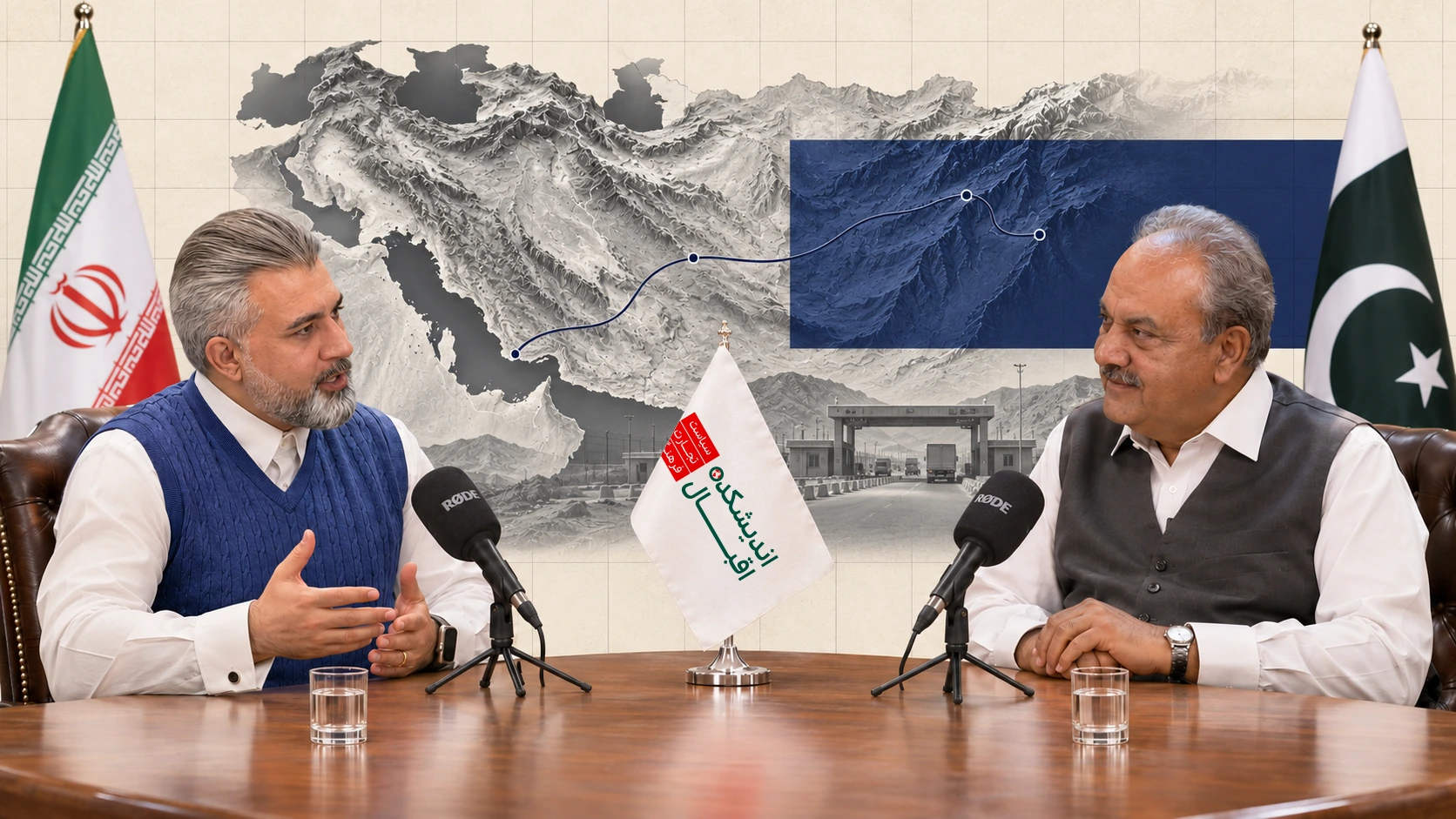
An Exclusive Interview with Ambassador Asif Durrani by Muhammad Hussain Baqeri, Founder and Director of Iqbal Forum
From Pakistan–Afghanistan tensions and Iran’s potential role as a regional facilitator to the Makkah Defence Pact, Pakistan’s strategic balancing act, and the future of West Asian security by 2035.
Introduction: Asif Durrani and Pakistan’s Search for a New Regional Balance
At a time when developments in Afghanistan, intensifying security competition across West Asia, and emerging defence arrangements in the Gulf are reshaping the region’s traditional geopolitical equations, Pakistan finds itself at an increasingly complex strategic crossroads.
Islamabad is confronting a deepening crisis in its relations with Afghanistan while simultaneously seeking to reconcile its defence and economic commitments to the Arab Gulf states with the imperative of maintaining stable and constructive relations with neighbouring Iran.
Against this backdrop, the perspectives of experienced diplomats who have participated directly in Pakistan’s foreign policy establishment offer insights that extend well beyond conventional media commentary.
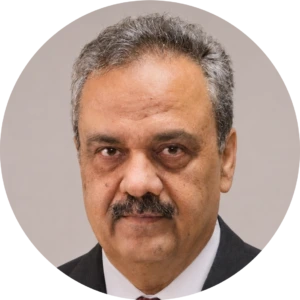
Ambassador Asif Durrani is a distinguished Pakistani diplomat whose professional experience spans three increasingly interconnected strategic theatres: Afghanistan, Iran, and the Arab Gulf.
Over the course of his diplomatic career, he has held several important assignments, including serving as Pakistan’s Ambassador to Iran and the United Arab Emirates. These postings provided him with firsthand exposure to the political and security environments of Tehran and the Gulf, both of which profoundly influence Islamabad’s strategic calculations.
Durrani also served as Pakistan’s Special Representative for Afghanistan, a position that placed him at the centre of efforts to manage Islamabad’s increasingly complicated relationship with Kabul. His experience encompasses engagement with the Afghan Taliban, the challenge posed by Tehreek-e-Taliban Pakistan (TTP), cross-border militancy, and the wider implications of instability in Afghanistan for regional security.
His significance, however, extends beyond the diplomatic offices he has held. Through his writings and public interventions on West Asian security, the Strait of Hormuz, China’s evolving regional role, and the need to reconsider existing security arrangements, Durrani has raised a fundamental question: can the countries of West Asia continue to depend predominantly on external powers for their security, or has the time come for a more inclusive, regionally driven security architecture?
For Iran and Pakistan, this question carries particular significance. Beyond their shared border and longstanding historical ties, the two countries face interconnected challenges involving border security, terrorism, migration, energy, trade, and Afghanistan’s stability.
At the same time, Pakistan’s expanding defence cooperation with Saudi Arabia and Türkiye has added a new dimension to the strategic calculations of both Islamabad and Tehran.
In this exclusive conversation, Muhammad Hussain Baqeri, Founder and Director of Iqbal Forum, speaks with Ambassador Asif Durrani about ten defining questions shaping the region’s future.
The discussion ranges from Pakistan’s miscalculations following the Taliban’s return to power and the need to move from political assurances towards verifiable security commitments, to Iran’s potential role in facilitating dialogue between Kabul and Islamabad, the implications of the Makkah Defence Pact, and the prospects for a new regional security architecture.
Durrani argues for realism in dealing with Afghanistan, cautions against interpreting Pakistan’s defence partnerships with Arab states as inherently hostile to Iran, and advocates practical mechanisms for regional cooperation.
At the heart of his analysis lies a compelling proposition: the security of one country should not depend upon the permanent insecurity of another.
The following is the full interview.
- Pakistan and Afghanistan: What Went Wrong?
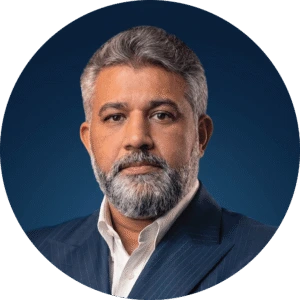 Muhammad Hussain Baqeri: You have followed Afghanistan for many years, both as a diplomat and as Pakistan’s Special Representative for Afghanistan. Following the Taliban’s return to power in 2021, there was an expectation in parts of Pakistan that relations between Islamabad and Kabul might enter a more stable phase. Instead, the relationship has experienced profound tensions.
Looking back, what went wrong? Did Pakistan misread the Taliban and their priorities, or are the roots of the current crisis deeper than the policies of any particular government or movement?
 Ambassador Asif Durrani: Pakistan’s expectations following the Taliban’s return to power in August 2021 were understandable, but perhaps overly optimistic.
Some circles believed that the historical, ideological, and social connections between Pakistan and the Afghan Taliban would translate into a more cooperative relationship, particularly on security matters.
However, experience has demonstrated that relations between states and political movements are not determined solely by historical affinities. Interests, perceptions of sovereignty, and domestic priorities also play decisive roles.
First, we probably overestimated the influence Pakistan could exercise over the Taliban leadership.
The Afghan Taliban returned to power after years of armed insurgency against a foreign-backed government. They have their own ideological convictions, political calculations, and understanding of sovereignty. Their relationship with Pakistan cannot therefore be viewed exclusively through the prism of past cooperation.
Second, Pakistan’s security concerns, particularly the resurgence of Tehreek-e-Taliban Pakistan, have become a major source of disagreement.
Pakistan expects the Afghan authorities not to allow their territory to be used for organising and conducting cross-border attacks.
Kabul, however, has generally been reluctant to accept Islamabad’s assessment of the problem or to treat it as a bilateral responsibility in the manner Pakistan expects. This divergence in perceptions has eroded mutual trust.
Third, both sides have allowed accumulated mistrust to overshadow opportunities for cooperation.
Border incidents, trade disruptions, refugee-related tensions, and confrontational political rhetoric have added to the complexity of the relationship.
Consequently, relations have become increasingly reactive rather than strategic and forward-looking.
Pakistan needs a policy that combines principled firmness on security issues with sustained diplomatic engagement.
We must distinguish between the Afghan people, the Afghan state, and the policies of the de facto authorities.
An unstable Afghanistan is not in Pakistan’s interest, just as a hostile relationship with Pakistan cannot serve Afghanistan’s long-term economic interests.
The Taliban authorities must also recognise that constructive relations with Pakistan require tangible action against threats emanating from Afghan territory.
Pakistan should continue to articulate its concerns clearly, while also offering a positive vision for bilateral relations based on trade, transit, employment, energy, and regional connectivity.
The lesson is not that engagement with the Taliban was necessarily mistaken. Rather, engagement must be realistic, institutionally grounded, and linked to verifiable outcomes.
Neither country can change its geography. Both must manage the realities of their neighbourhood through diplomacy, responsible security policies, and mutually beneficial economic cooperation.
- Is the Pakistan–Afghanistan Crisis Really Only About the TTP?
Muhammad Hussain Baqeri: Islamabad regards the TTP as one of the principal obstacles to normal relations with Kabul, while the Afghan Taliban have often characterised the issue as an internal Pakistani matter.
If the TTP problem were somehow resolved tomorrow, would Pakistan–Afghanistan relations fundamentally normalise? Or are deeper structural issues, including the Durand Line, Pashtun identity, competing concepts of sovereignty, and longstanding mutual mistrust, at the heart of the relationship?
Ambassador Asif Durrani: Yes, the TTP is the most important issue of contention with the Afghan Taliban.
It currently represents the most immediate and dangerous security challenge in Pakistan–Afghanistan relations.
Pakistan has suffered enormously from terrorism and has a legitimate expectation that Afghan territory should not be used to organise, facilitate, or conduct attacks against it.
The Afghan authorities must understand that this is not merely a political disagreement between Islamabad and Kabul. It is an issue involving human security and regional stability.
At the same time, cooperation would be more productive if both sides exchanged credible intelligence and established practical procedures for examining specific allegations.
There are also significant economic interests at stake.
Pakistan provides Afghanistan with access to major markets and maritime routes, while Afghanistan can connect Pakistan with Central Asia.
Both countries stand to benefit from expanded transit trade, improved transport infrastructure, and energy cooperation.
My recommendation is to establish a comprehensive bilateral agenda with distinct but interconnected tracks covering security, border management, trade and transit, refugees, and political dialogue.
Progress in one area should not remain indefinitely hostage to disagreements in another, although serious security violations must also be addressed.
- From Trust to Verification: Is It Time for a New Approach?
Muhammad Hussain Baqeri: After years of negotiations, assurances, tensions, and recurring violence, can Pakistan–Afghanistan relations still be built primarily on political trust?
Or has the time come for a framework based on specific, measurable, and verifiable security commitments?
In practical terms, what might a credible mechanism for verifying that Afghan territory is not being used for attacks against Pakistan look like?
Ambassador Asif Durrani: Trust remains an essential element of international relations. However, when two countries face recurring security threats and fundamentally different perceptions of the problem, trust alone is insufficient.
In my view, Pakistan and Afghanistan should move towards a system in which political assurances are supported by specific commitments, institutionalised communication, and credible verification.
First, both sides should agree on a written security understanding.
Such an arrangement should identify red lines and prohibited activities, establish procedures for intelligence-sharing, and clarify the responsibilities of each party.
The central principle should be simple and explicit: no country should allow its territory to be used to organise or launch attacks against another.
Second, the two countries should establish a permanent bilateral mechanism involving empowered representatives from the relevant civilian and security institutions.
This mechanism should meet regularly and be capable of convening immediately following a major terrorist incident or border confrontation.
A standing communication channel is far more useful than improvised, episodic diplomacy after every crisis.
Third, verification must be practical.
Both sides could consider appointing liaison officers, establishing secure intelligence-sharing arrangements, agreeing on border procedures, and, where mutually acceptable, conducting limited joint technical assessments.
Any monitoring arrangement must respect national sovereignty, protect sensitive security information, and avoid becoming an instrument of political humiliation or pressure.
Fourth, there should be a graduated system of responses to non-compliance.
The first step would normally involve clarification and consultation, followed by a time-bound corrective plan.
Continued failure to implement agreed commitments would require higher-level diplomatic engagement and a review of the measures envisaged under the arrangement.
- Can Iran Become a Credible Facilitator Between Pakistan and Afghanistan?
Muhammad Hussain Baqeri: Having served in Iran and worked extensively on Afghanistan, you possess an unusual understanding of all three countries.
If Tehran were to assume a more active role in reducing tensions between Islamabad and Kabul, could Iran become a credible facilitator?
What comparative advantages might Iran possess vis-à-vis China, Qatar, Türkiye, or Saudi Arabia?
Conversely, what limitations would it face, and perhaps more importantly, what should Iran avoid doing if it seeks the confidence of both Pakistan and Afghanistan?
Ambassador Asif Durrani: I believe Iran can play a constructive role in reducing tensions between Pakistan and Afghanistan.
Iran’s geographical position, historical connections with Afghanistan, relations with Pakistan, and experience of engaging with different Afghan political actors provide Tehran with valuable diplomatic assets.
Beyond mediation, Iran and Pakistan should work towards stability in Afghanistan because instability there also affects Iran through refugee movements, drug trafficking, border insecurity, water-related disputes, and the wider activities of armed organisations.
Iran also has legitimate economic interests in Afghanistan’s trade and connectivity.
Therefore, a more stable relationship between Kabul and Islamabad would serve not only Afghanistan’s neighbours but also Iran’s own interests.
Nevertheless, Iran faces certain limitations.
Tehran’s relations with the Taliban authorities have not been free of disagreements, and issues such as water, border management, and the treatment of Afghan communities have generated tensions.
Pakistan and Iran are also concerned about the difficult situation facing women in Afghanistan.
The question of inclusivity and the participation of all social groups is equally troubling, as religious and ethnic minorities have been deprived of fundamental rights.
- Can Afghanistan Move from a Theatre of Competition to a Corridor of Connectivity?
Muhammad Hussain Baqeri: For decades, Afghanistan has predominantly been viewed through the lenses of war, terrorism, and geopolitical competition.
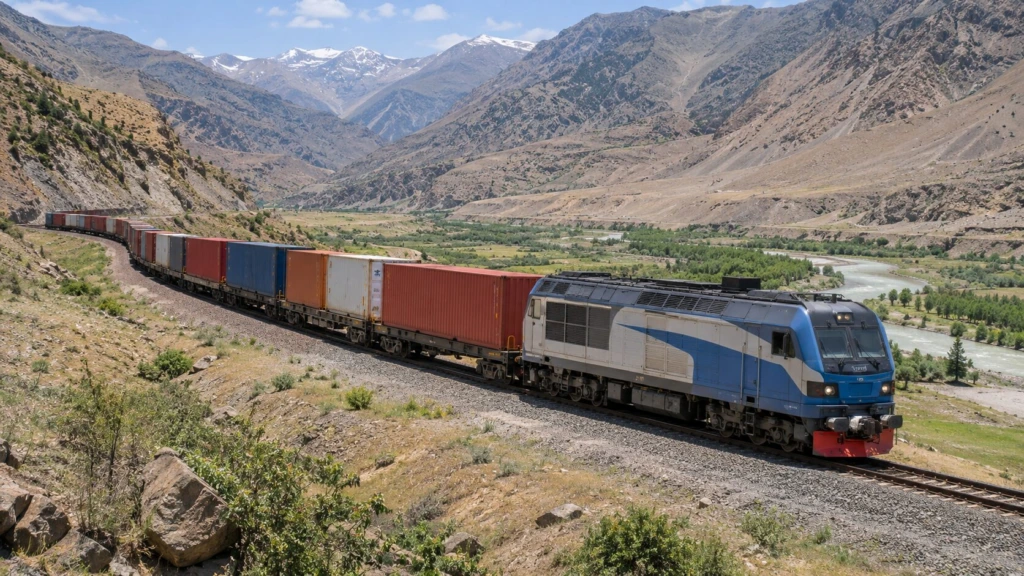
Could a different paradigm emerge in which Afghanistan becomes a connecting space between Pakistan, Iran, Central Asia, and China?
Can shared economic interests in transit, railways, energy, and trade become instruments of stabilisation?
If one practical regional connectivity project were to serve as a test case for this approach, which should it be?
Ambassador Asif Durrani: Yes, Afghanistan can become a hub of connectivity between South Asia and Central Asia. It also has geographical connections with Iran and China.
For far too long, however, Afghanistan has been viewed primarily through the lenses of war, ideological rivalry, and terrorism.
A different approach could transform Afghanistan from a source of regional insecurity into an economic bridge.
The first prerequisite is security.
Investors, transport companies, and governments will not commit substantial resources to infrastructure exposed to attacks by armed groups, political disruptions, or arbitrary border closures.
All regional countries therefore share an interest in preventing terrorist organisations from using Afghan territory and ensuring the security of trade routes.
Second, connectivity projects should be selected on the basis of economic viability rather than geopolitical symbolism.
Railways, roads, electricity transmission lines, fibre-optic networks, energy pipelines, and customs modernisation can generate shared benefits, but they require realistic feasibility studies, financing arrangements, and sustained political commitment.
One practical starting point could be improving the existing trade and transit system between Pakistan and Afghanistan.
This would require more predictable customs procedures, modern border facilities, reliable cargo clearance, transparent regulations, and mechanisms for resolving commercial disputes.
Such reforms would cost less and could produce results more quickly than ambitious new railway projects.
I would recommend establishing a regional connectivity working group involving Afghanistan, Pakistan, Iran, China, and interested Central Asian countries.
Its initial mandate should be to identify a limited number of commercially viable projects, assess their security requirements, and establish implementation timelines.
- Pakistan Between Iran and the Arab Gulf
Muhammad Hussain Baqeri: You are among the relatively few senior Pakistani diplomats to have served both in Iran and in a major Arab Gulf state.
Pakistan has historically sought to maintain close relations with Saudi Arabia, the United Arab Emirates, and other Gulf states while simultaneously preserving an important relationship with neighbouring Iran.
From your experience, how successfully has Pakistan managed this balance?
Have Islamabad’s relations with Tehran and the Arab Gulf generally been complementary, or have periods of Iran–Arab rivalry forced Pakistan into difficult strategic choices?
What lessons has Pakistan learned from managing this delicate balance?
Ambassador Asif Durrani: Pakistan’s relations with Iran and the Arab Gulf states are not inherently contradictory. They represent different but important dimensions of our foreign policy.
Iran is our neighbour, with whom we share a long border, historical connections, and common interests in regional stability.
Saudi Arabia, the United Arab Emirates, and other Gulf countries are also important partners for Pakistan in economic cooperation, energy, investment, defence, and people-to-people relations.
My diplomatic experience has reinforced the importance of assessing each relationship on its own merits rather than viewing one exclusively through the prism of another.
First, geography requires Pakistan and Iran to maintain constructive relations.
Border security, counterterrorism, trade, energy cooperation, and regional stability are matters directly connected to our shared interests.
Disagreements will inevitably arise, but they should be addressed through institutional dialogue and established diplomatic channels.
The border incidents of January 2024 and the subsequent resumption of high-level engagement demonstrated that, where political will exists, differences can be resolved rapidly.
Second, Pakistan’s relations with Saudi Arabia and the United Arab Emirates have substantial economic and strategic foundations.
These relationships should not be reduced to a zero-sum competition with Iran.
Pakistan benefits when its Gulf partnerships contribute to investment, employment, energy security, and regional stability.
At the same time, those partnerships should not prevent Islamabad from maintaining normal and constructive relations with Tehran.
Pakistan should assess each issue on the basis of its national interests, international obligations, and likely consequences for regional peace.
This requires regular high-level consultations, transparency regarding strategic concerns, and a clear distinction between bilateral defence cooperation and participation in a wider regional conflict.
Pakistan should also encourage dialogue among its partners wherever its relationships allow it to do so.
There is a positive opportunity here as well.
Pakistan can encourage economic and diplomatic initiatives that connect the Gulf states with Iran and South Asia through trade, energy, transport, and investment.
Such cooperation would demonstrate that regional partnerships need not be organised around hostile blocs.
- The Makkah Defence Pact, the Iran–United States War, and Pakistan’s Emerging Strategic Position
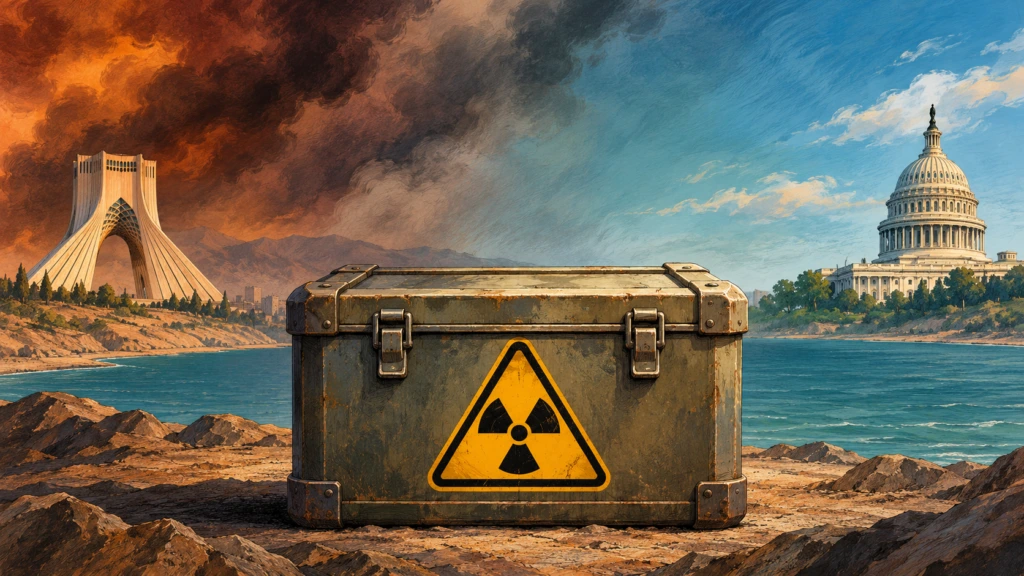
Muhammad Hussain Baqeri: The Iran–United States war has significantly altered the regional security environment, while the Makkah Defence Pact involving Pakistan, Saudi Arabia, and Türkiye has introduced a new dimension into the region’s security architecture.
In this changed environment, how can Pakistan reconcile its deepening security commitments to Saudi Arabia and the Gulf states with its strategic interest in maintaining stable and constructive relations with neighbouring Iran?
Could this emerging order increase the risk of Pakistan finding itself caught between competing security alignments?
Or could Pakistan instead use its unique relationships to serve as a bridge between Iran and the Arab Gulf and become a contributor to a more inclusive regional security architecture?
Ambassador Asif Durrani: Developments in West Asia’s security environment have created both opportunities and considerable responsibilities for Pakistan.
The conflict involving Iran, the United States, and Israel has exposed the vulnerability of regional economies, maritime routes, and energy supplies to military escalation.
At the same time, defence cooperation among Pakistan, Saudi Arabia, and Türkiye has raised important questions about the future of regional security arrangements.
I approach this issue by distinguishing between legitimate defence cooperation and the danger of becoming entangled in a wider conflict.
First, Pakistan has legitimate reasons to maintain strong security relations with Saudi Arabia.
The two countries have longstanding political and defence ties, and the security of the Kingdom is important to Pakistan.
However, the precise obligations arising from any defence agreement must be interpreted according to its actual text, agreed procedures, and the circumstances under which commitments may be activated.
Defence cooperation should not automatically be understood as an obligation to participate in every war or conflict involving a partner.
Second, Pakistan must preserve constructive relations with Iran.
Our shared border, historical connections, and common interests in regional stability make a functional relationship with Tehran essential.
A conflict between Iran and one of Pakistan’s Gulf partners would place Islamabad in an extremely difficult position, with implications for border security, domestic stability, economic interests, and Pakistan’s relations with the Muslim world.
Third, Pakistan should use diplomacy to prevent such a dilemma from arising.
Islamabad can encourage restraint, maintain communication with Tehran and Riyadh, and support arrangements that reduce the likelihood of miscalculation.
Pakistan’s relationships with both sides provide a useful platform, although we should not overestimate our ability to influence the decisions of other governments.
Pakistan should promote regional dialogue involving Iran and the Arab Gulf states.
An initial agenda could include maritime security, protection of energy infrastructure, freedom of navigation, mechanisms for preventing unintended military encounters, and peaceful dispute resolution.
The Strait of Hormuz is particularly important because any disruption there would impose costs extending far beyond the immediate parties to a conflict.
Pakistan should neither seek confrontation with Iran nor undermine its partnership with Saudi Arabia.
Islamabad’s objective should be to keep these relationships as compatible as possible and manage differences through diplomacy.
- What Do Iran and Pakistan Still Misunderstand About Each Other?
Muhammad Hussain Baqeri: Having observed Iran from within and represented Pakistan in Tehran, what would you identify as the most consequential Pakistani misunderstanding of Iran?
Conversely, what do you believe Iranian policymakers and strategic thinkers still misunderstand about Pakistan — its state, society, security establishment, or national interests?
How have these misperceptions constrained the relationship?
Ambassador Asif Durrani: There are three areas where greater mutual understanding would be beneficial.
First, both countries should distinguish between cooperation with a third party and hostility towards one another.
Neither should automatically interpret the other’s diplomatic or defence relationships with other countries as evidence of a hostile policy directed against itself.
Second, both countries should manage security concerns through direct communication.
Terrorist activities, border incidents, and allegations of support for hostile groups can rapidly undermine trust if they are pursued through public accusations rather than established diplomatic channels.
The events of January 2024 demonstrated both the dangers of escalation and the value of restoring communication.
Third, both sides should recognise the economic costs of underdeveloped bilateral relations.
Trade, border markets, transport links, energy cooperation, and investment could benefit communities on both sides of the border.
However, progress in these areas requires a realistic assessment of constraints arising from sanctions, financing, infrastructure, and the business environment — not merely declarations of intent.
I would also emphasise the importance of expanding exchanges among diplomats, academics, journalists, business representatives, and strategic experts.
Governments often become trapped in security-centred perceptions, whereas broader social and professional engagement can identify opportunities that official channels may overlook.
Pakistan and Iran do not need to agree on every regional issue in order to maintain a productive relationship.
Their objective should be to manage disagreements without damaging shared interests.
The most important change is to move away from asking whether the other country agrees with us on every issue and instead ask where practical cooperation is possible.
Such an approach is more realistic, more consistent with respect for national sovereignty, and far more beneficial to both countries.
- What Would a New Security Architecture for West Asia Actually Look Like?
Muhammad Hussain Baqeri: In your recent writings, you have raised a fundamental question: can West Asia continue to depend primarily on external powers for its security, or has the time come for a more regionally driven security architecture?
If such an architecture were to move from concept to reality, what would it actually look like?
What roles should Iran, Pakistan, Saudi Arabia, Türkiye, the United Arab Emirates, and other regional states play?
How should such a framework address external powers, particularly the United States and China?
And could Pakistan, given its relationships across these geopolitical divides, play a meaningful role in bringing different sides together?
Ambassador Asif Durrani: I believe West Asia needs a security architecture that is owned and driven by the countries of the region, is inclusive in character, and rests on the principle that the security of one country should not depend upon the permanent insecurity of another.
The recent conflict has reinforced the need to reconsider existing arrangements and explore whether regional states can develop more effective mechanisms for managing their differences.
Such an architecture will not emerge overnight, nor should it be mechanically borrowed from models developed elsewhere.
West Asia has its own historical experiences, political systems, rivalries, and security concerns.
A workable framework must accommodate these differences rather than assume they can simply be eliminated.
First, the proposed architecture must be inclusive.
Iran, Saudi Arabia, the United Arab Emirates, Türkiye, Iraq, Pakistan, and other relevant regional countries should have opportunities to participate in discussions on matters affecting their security.
Second, the framework should begin with achievable confidence-building measures rather than an immediate attempt to negotiate a comprehensive regional security treaty.
Third, counterterrorism cooperation should be one of its principal pillars.
Regional countries should exchange information, subject to appropriate safeguards, concerning terrorist organisations, financing, recruitment, and cross-border movements.
No state should permit its territory to be used to organise attacks against another.
Fourth, maritime and energy security deserve particular attention.
The Strait of Hormuz and Bab el-Mandeb, which connect the Gulf and surrounding region with international markets, are vital to regional and global economic stability.
Regional governments should explore arrangements for crisis communication, incident prevention, protection of commercial shipping, and emergency coordination.
Fifth, the architecture must have an economic dimension.
Trade, investment, transport corridors, and energy cooperation can create constituencies with a vested interest in stability.
A regional security framework that ignores economic interdependence will command only limited public and political support.
- From Kabul to the Gulf: Looking Towards 2035
Muhammad Hussain Baqeri: Drawing on your decades of diplomatic experience across Afghanistan, Iran, and the Gulf, how do you envision the region stretching from Kabul and Islamabad to Tehran and the Arab Gulf by 2035?
More importantly, if there is one strategic decision that the countries of this region need to take today — and may deeply regret not taking ten years from now — what would that decision be?
Ambassador Asif Durrani: Looking towards 2035, I see two broad possibilities for the region extending from Kabul and Islamabad to Tehran and the Arab Gulf.
The first is the continuation of fragmented security arrangements, recurring crises, competing alignments, and economic opportunities lost through mistrust.
The second is a gradual transition towards a more interconnected region in which states retain their independent identities and strategic partnerships while developing practical mechanisms for cooperation.
I believe the second outcome is possible, but it requires political decisions that must be taken well before 2035.
First, Afghanistan must become a source of stability rather than regional insecurity.
This requires the Afghan authorities to address terrorism, establish constructive relations with neighbouring countries, facilitate trade, and create conditions for economic recovery.
A stable Afghanistan would benefit Pakistan, Iran, Central Asia, and China, while providing opportunities to the Afghan people that decades of war have denied them.
Second, Pakistan and Iran should develop a more ambitious bilateral relationship.
Their cooperation should move beyond managing periodic security crises and encompass trade, border development, transport, energy cooperation where feasible, and sustained political dialogue.
Third, the Arab Gulf states, Iran, Türkiye, and Pakistan should gradually establish mechanisms for de-escalation and dispute management.
They do not necessarily need to form a formal alliance.
Indeed, a more flexible framework based on consultation, confidence-building, and cooperation on specific issues may be better suited to their differing interests.
Fourth, regional connectivity should become a practical priority.
Roads, railways, ports, energy transmission lines, and improved customs procedures can connect markets and create employment.
However, infrastructure must be supported by political stability, commercial viability, and predictable regulations.
Governments should avoid announcing major projects without resolving financing and implementation challenges.
Fifth, the region must invest in human capital.
Education, professional exchanges, academic cooperation, and opportunities for young people to participate in economic development can broaden the social constituencies supporting peace.
Security cannot be sustained indefinitely through military measures alone.
External powers will, of course, continue to exert influence.
The United States, China, and others will remain important actors in shaping the region’s strategic environment.
Regional autonomy does not mean disengagement from them. Rather, it means the ability to make independent decisions and prevent external rivalries from determining every regional relationship.
Diplomatic experience has taught me that geography cannot be changed, historical disagreements cannot simply be wished away, and trust cannot be created through declarations alone.
Political relationships can, however, evolve if leaders recognise their shared interests and build institutions capable of managing differences.
My hope is that by 2035, our conversation will no longer be limited to how we can prevent the next crisis.
Instead, we should be discussing how the countries of the region have established a framework that makes crises less frequent, less dangerous, and easier to resolve.
That, in my view, would be the most meaningful measure of strategic success.
About the Author
Asif Durrani
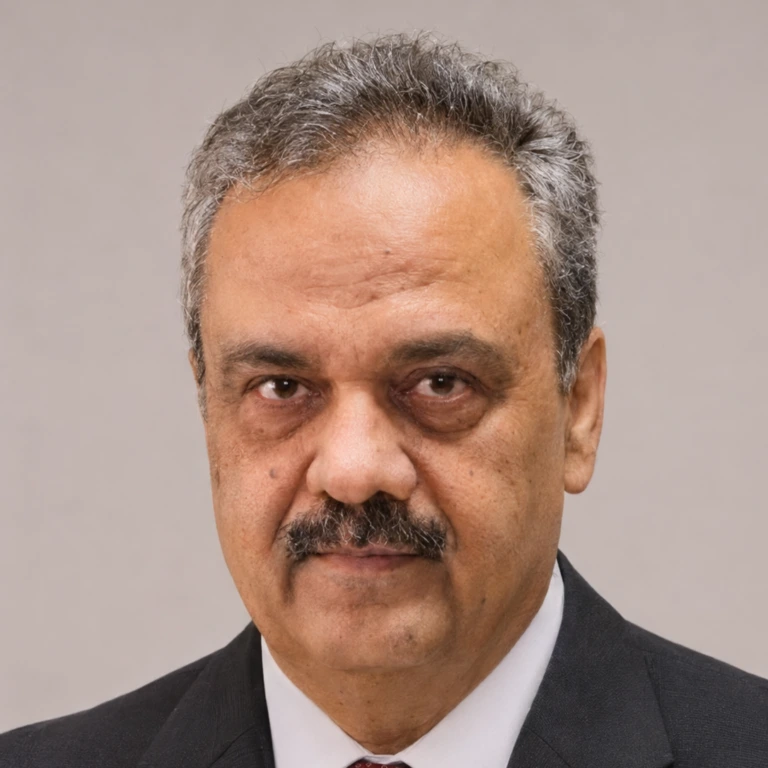
A senior Pakistani diplomat, former Ambassador of Pakistan to Iran and the United Arab Emirates, and former Special Representative of Pakistan for Afghanistan. His professional experience focuses on regional diplomacy, Iran-Pakistan relations, and political and security issues in Afghanistan.
Profile and all publicationsHow to Cite This Article
Durrani, Asif. “From Kabul to the Gulf: In Search of a New Regional Security Architecture.” Iqbal Forum, November 19, 2026. https://iqbalforum.org/en/?p=56071.



Comments