


Might Is Right: How Xi, Putin And Trump Are Divvying Up The World
The November 19 trilateral summit in Shenzhen between Trump, Putin, and Xi yielded few concrete breakthroughs yet signaled an emerging division of global spheres of influence that sidelined Europe and raised major…
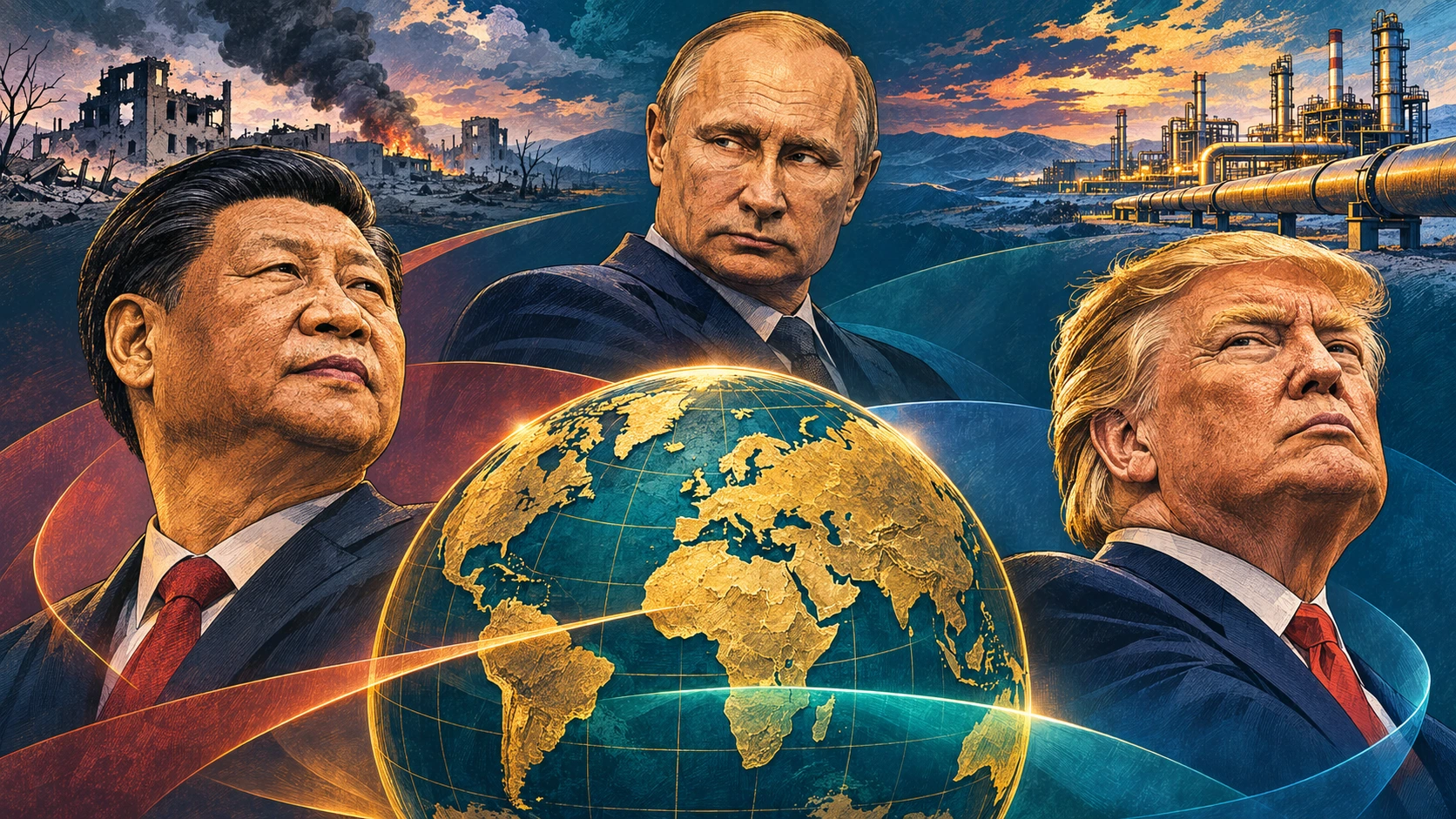
Table of Contents
AI Analysis
How Xi, Putin and Trump are divvying up the world
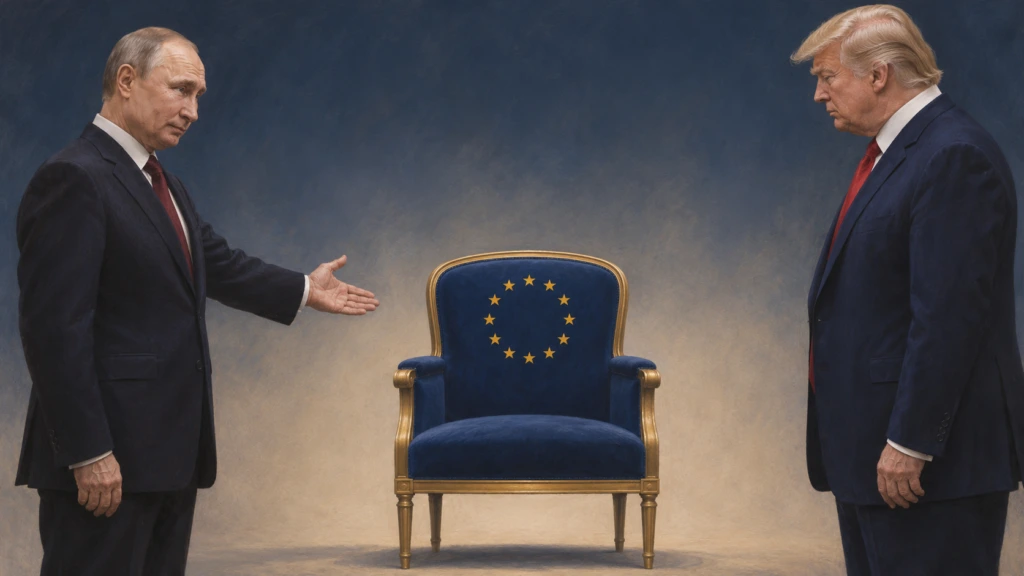
It was a very odd meeting on November 19. One waning superpower, one erstwhile superpower, and a wannabe superpower, all in the room to decide the fate of the world. In the end, they didn’t seem to achieve much. But the meeting itself made headlines nearly everywhere, with only the European media markedly distancing itself from the whole event. That’s unsurprising. After all, there is a palpable fear that Putin, Trump, and Xi would negotiate Ukraine over their collective heads. For India, the whole exercise was fraught with interest on multiple counts. The meeting is over, and the headlines have since moved on. But what is vitally important is what to expect downstream. Superpowers, after all, don’t meet every day.
Washington’s ‘Nuclear’ Takeaways
The meeting needs to be understood in the run-up to the event. Washington chose to attend what seemed to be a tepid quad meeting, held rather pointedly in an ASEAN state. For Washington, it was also a negotiating counter before the trilateral. At the summit itself, Trump was all smiles upon seeing Putin and seemed to have given some assurance on the end of the Ukraine war, apparently as European leaders at the nearly simultaneously held Berlin summit said they were ready for talks. Meanwhile, Jared Kushner said that Moscow was now “comfortable” with Ukraine having security guarantees based on NATO’s Article Five, hinting that this would be in exchange for painful territorial concessions. Russia, therefore, seems ready to open the door to Ukrainians. True, a Ukraine peace deal would be a political ‘victory’ for Republicans after their rout in the midterms. But the Opposition is already at his throat. Major Democrats on the House Foreign Affairs Committee accused Trump of lacking a clear plan or strategy for the meeting, warned against dividing the world into spheres of influence, and called for confronting Xi over Chinese espionage. The media echoed this negative feedback, calling the whole exercise a win for Russia and China, rather than for the US.
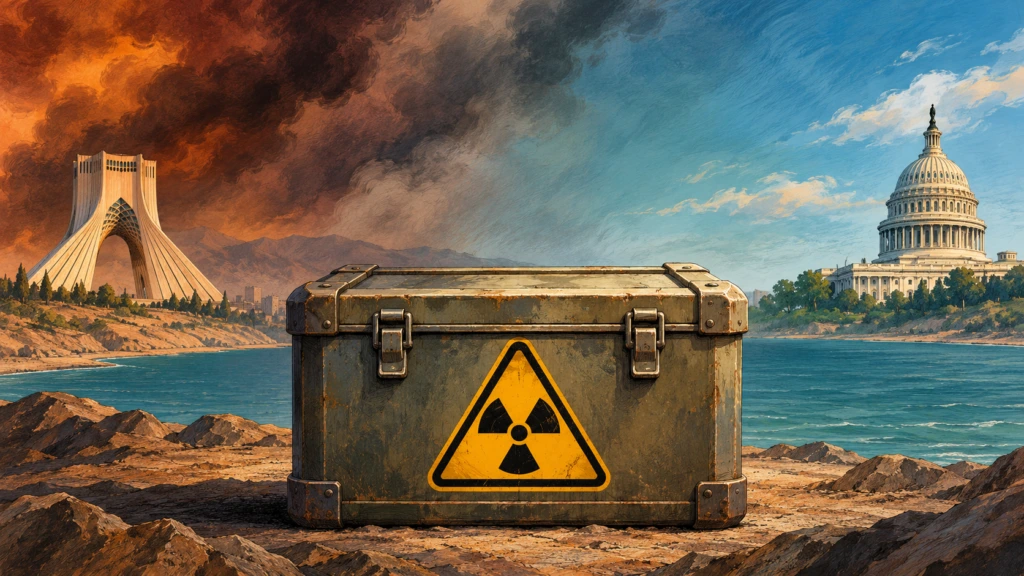
The key question, therefore, is what Washington got out of this. The flow of energy would have some impact, but in actual fact, American oil majors would lose money if Russian oil once again flows into Europe. True, a Ukraine peace deal would be a definite political win, and it would contribute to some extent to addressing the rage among voters tired of inflation. But that inflation is pushed by more than just the Ukraine war. It requires a cessation of tariff wars and some ‘give’ from China. Beijing, however, cares little for the Ukraine war, so this meeting alone is unlikely to produce any generosity on that front. The only hint that can be taken from the joint statement is the commitment to non-proliferation. That could only mean that both of the others have agreed to stop supporting Iran with intelligence, spares, and the rest. That would deliver a plausible ‘victory’ in the name of ending Iran’s alleged nuclear programme. The war was certainly discussed. The question is whether China will acquiesce to getting the US military off an extremely sharp Iranian hook. That requires a good payback, which is far from evident – yet. Everyone will be keeping a sharp eye on that trade-off if it happens. Iranians themselves are keeping uncharacteristically quiet.
Putin All Smiles
On the face of it, it seemed that Russia was the only one that walked away satisfied. Trump’s calculated public display of friendship to Putin was worth its weight in gold for the Russian president, not to mention the public snubbing of the International Criminal Court in the joint statement itself. Putin is now talking of attending the forthcoming G-20 meeting in Miami. The joint statement also displayed a significant ‘give’ in declaring an “increase to the production and supply of refined petroleum products for the benefit of all nations” and “the importance of stable energy flows”. Severe Ukraine strikes on its refineries mean that it is going to take a while for Russian energy flows to resume. But it will certainly lead to a more stable economy for the embattled erstwhile empire. Ukrainian drone attacks have slashed Russian refineries’ combined crude-processing volumes by 45% since late October, according to Reuters, with this continuing even as talks went on at Shenzen.
Meanwhile, Russia is expected to take the first steps in ending the war by finally accepting European negotiators, something it has resisted from the beginning. Some territorial ‘adjustment’ can be expected by returning those territories outside the Donbas, such as parts of Kherson and Zaporizhzhia oblasts, among others. But all this is down the line. There’s a lot of ground to cover, and Ukraine will use this to step up its attacks, and thereby its ‘negotiating space’. Russia has retaliated by demanding an investigation into the role of Ukraine in sabotaging the Nordstream pipeline. Meanwhile, reports suggest that Jared Kushner and a host of US businessmen are negotiating for a slice of that particular pie. A restarting of the Nordstream and perhaps new pipelines will be big money.
China Takes The Nice Pictures
President Xi was technically the strongest man in the room. Among the three, he is the only one who now reigns supreme after a series of purges and unexplained disappearances. During the summit, Chinese positioning was a lesson in straight-faced diplomacy. China’s position was a general condemnation of wars, a call that great powers should cooperate for the good of the world, and that nuclear weapons must never be used. True, China has quietly refrained from wars, instead buying its way into major countries. That $1 trillion trade surplus is an important factor that keeps Trump and his businessmen friends at bay.
Notably, the apparent objective of the trilateral was to create “an architecture of relations among major powers in the spirit of peaceful coexistence, comprehensive stability and balanced development”. “This benefits not only our three countries but the entire world,” the statement said. So, in one fell stroke, Beijing has officially declared itself as equal to the US.
On the face of it, Beijing got little from the trilateral, barring a huge global image. Yes, it did achieve an easing of Russian oil exports, but China is by no means dependent on Moscow alone; though it is now the largest buyer of Russian energy, it has diversified its sources. Apart from that, its pipeline infrastructure continues to grow with additional routes such as the Far Eastern route and the second iteration of the “Power of Siberia” pipeline.
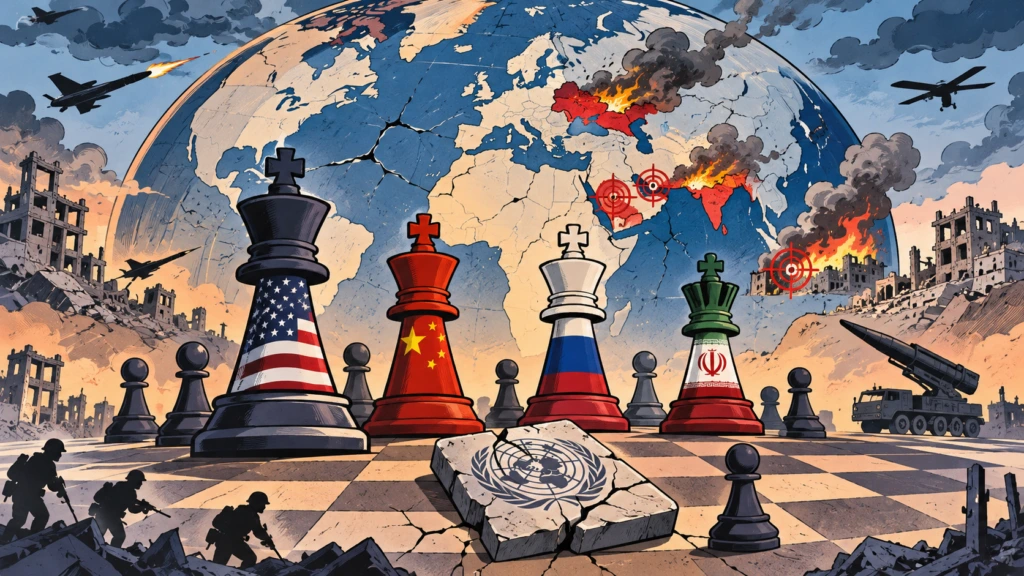
But there is that seemingly pointless reference to a ‘reform’ of the United Nations. That is interesting. At one level, China will now position itself as the leader of the “Global South” (since reform is ostensibly meant to give it a greater voice), while in reality, it will continue its steady progress in infiltrating the UN. As a March 2026 US Senate committee report notes, “China uses monetary contributions, critical UN posts, and strategically deployed troops within UN peacekeeping forces to expand its authoritarian reach”. It also notes the use of Government-Organized Non-Governmental Organizations (GONGOs) – a known part of the Communist Party’s United Front – to advance its agenda with “a unique blend of engagement, influence activities, and intelligence operations”, including in influencing foreign governments. In other words, China gave away nothing. But it seems to have got itself a decent deal in the immediate future in terms of energy flows, and a huge influence operation slated for the future.
The Dangers Ahead
For India and the rest of the world, this is a mixed blessing. America’s cosying up to China is unlikely to be to the extent that it allows Beijing a free rein across the world. The trouble is, Washington is quite capable of giving it a free run in Asia. Trump has made no effort to show with concrete action that the Americas, and less so Europe, are within the US’s sphere of influence. Europe is well aware that Russia may be given a ‘sphere’ of its own too, though a far more circumscribed one than before. The obvious danger is that of the Trump administration letting China loose on much of South and East China. Japan and Australia, as treaty partners, provide the bookends for Chinese expansion, but then that has come at a cost for both. Japan has to face accusations of ‘free riding’ on the US, resulting in an agreement last year that paired a 15% baseline US duty on Japanese imports with a promise of $550 billion Japanese investment in the US. Apart from that, US companies are being given access to aerospace, agriculture, food, energy, automobile, and other areas in Japan. Secretary Hegseth has pushed Australia to raise defense spending to 3.5% of GDP (higher than Australia’s reported 2-3% levels), while the White House has been surly over its lack of presence regarding the Strait of Hormuz. A 12.5% tariff followed in July. So no, no one is likely to rely overmuch on the US.
Which brings the whole thing to India. Delhi has fared better than most by remaining out of the line of fire, and deftly playing for time on the trade deal. It has also opened up to China in terms of investments and Business, even while it plans to use Quad to the hilt, especially in terms of the planned business leaders meeting. India is playing all sides, and so far, to the good. But it is time to shift gears. A quiet bringing together of that hazy ‘Global South’ is in order, even as China takes the stage. It is time to gather numbers. There are highly uncertain times ahead, especially since war is likely to get more unpredictable, and as global competition for resources heats up. Don’t be deceived. This is no surge towards equality and peace. It’s the first step towards divvying up the world.
Editor’s Note: This article was originally published in "NDTV", India, and has been republished on the Iqbal Forum website with attribution to the original author and publication. The views expressed are solely those of the author and do not necessarily reflect the position of Iqbal Forum.
About the Author
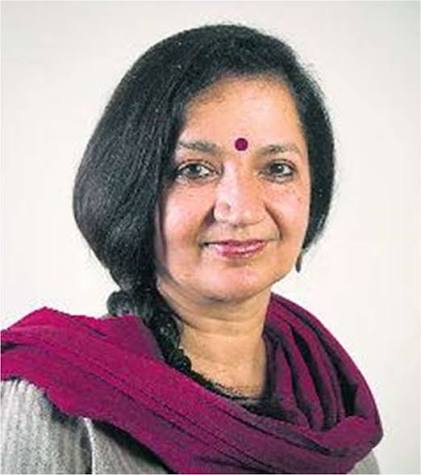
Tara Kartha
Tara Kartha is a former Director, National Security Council Secretariat
- Politics
How to Cite This Article
Kartha, Tara. “Might Is Right: How Xi, Putin And Trump Are Divvying Up The World.” Iqbal Forum, November 24, 2026. https://iqbalforum.org/en/?p=56660.


Comments