


Pakistan’s Mediation
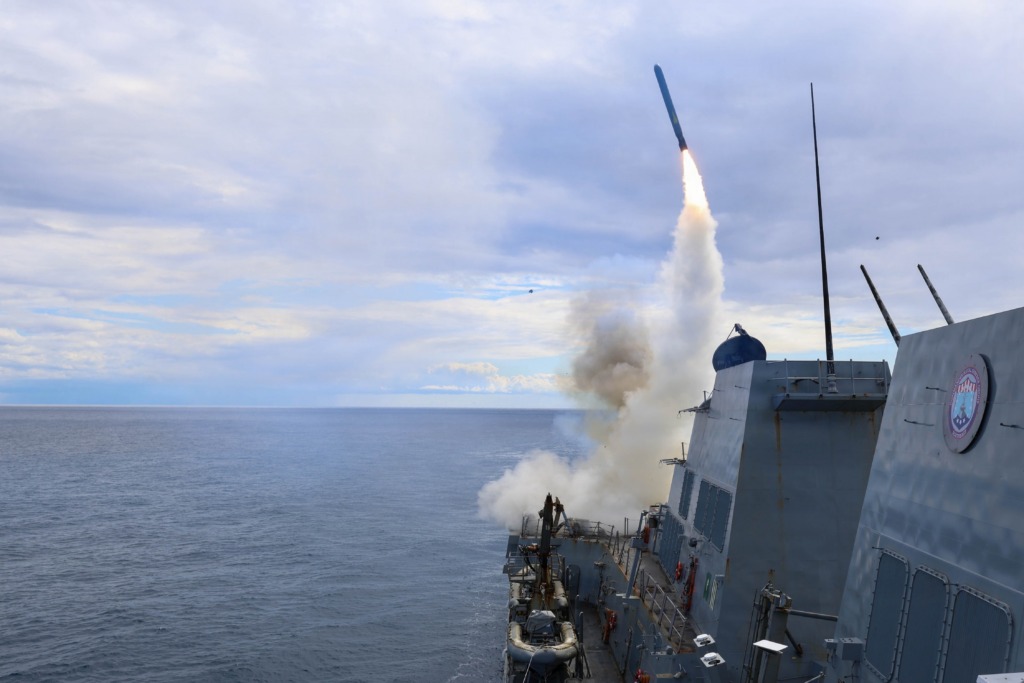
Driven by urgent security and economic imperatives, Pakistan assumed a central mediating role during the 2026 Middle East war, successfully bridging the deep divide between the United States and Iran to secure…
AI Analysis
Pakistan’s top civilian and military leaders have been in Saudi Arabia for two days, seeking economic relief, including deferred oil payments, while also expected to strategically mediate amid the fragile ceasefire in the Middle East. President Erdoğan’s arrival in Saudi Arabia yesterday has raised hopes for a stronger, more consequential outcome.
It is time to weigh the pros and cons of Pakistan’s mediatory position.
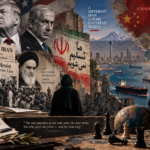
The 2026 Middle East war was a turning point. It exposed the limits of traditional powers, accelerated the decline of old institutions, and elevated regional middle powers as effective mediators. When the fighting temporarily stopped, many expected Qatar or Türkiye to lead the peace talks. Instead, Pakistan took centre stage; an unlikely peacemaker driven less by idealism than by sheer necessity. For Islamabad, preventing a wider conflict was not just diplomacy; it was survival. This role, born of urgency, proved that unexpected players can also shape history.
Events pushed Pakistan into mediation, though Qatar, Türkiye, and Saudi Arabia soon joined before back-channel talks took over. The signs were clear. Pakistani leaders made frequent trips to Washington, Tehran, Beijing, and other related capitals. They hosted the first twenty-one-hour negotiation session in Islamabad. When the final agreement was signed in Bürgenstock, Switzerland, it carried Pakistan’s name, confirming its central role in bridging the yawning gap between the United States and Iran.
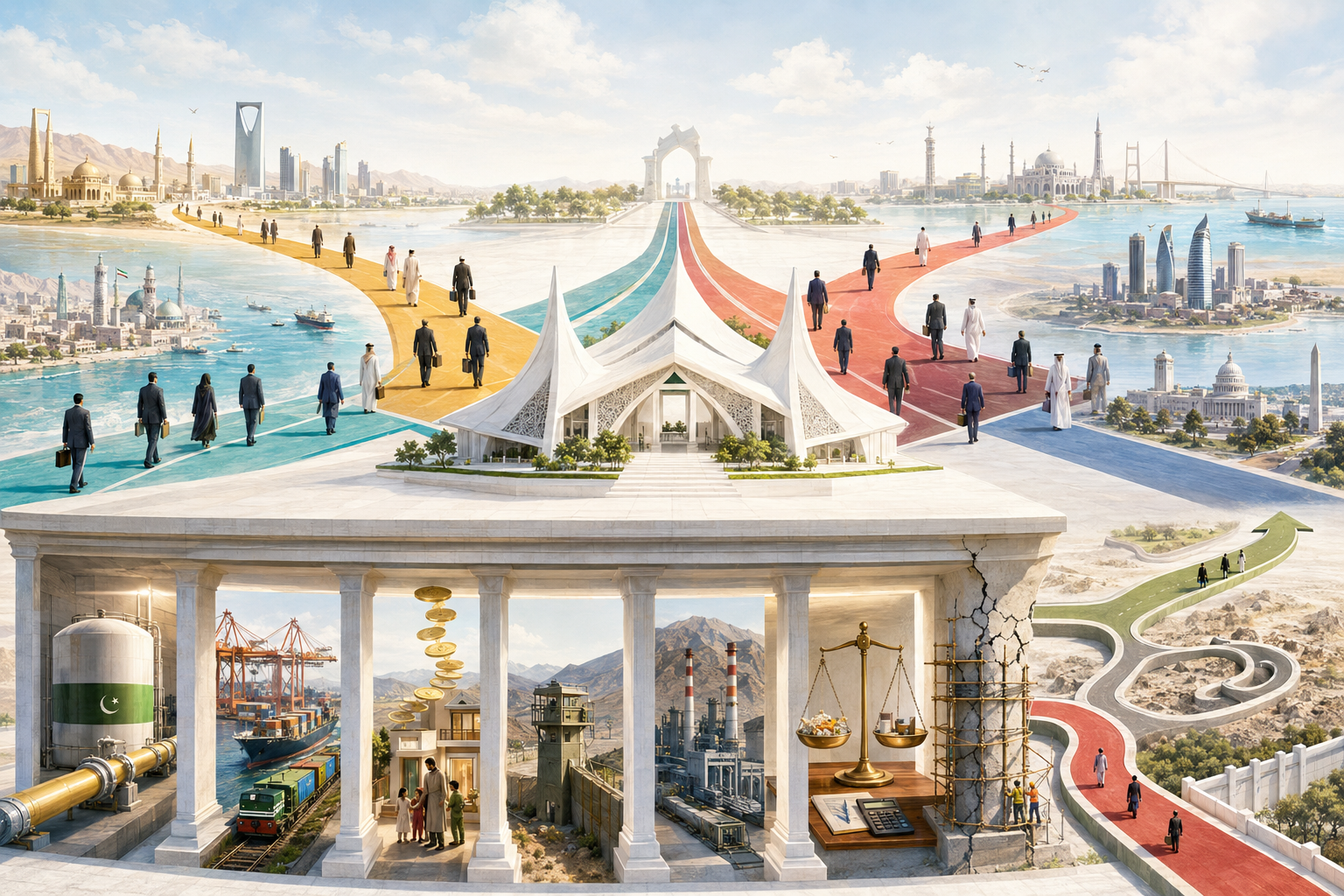
Pakistan’s involvement stemmed from urgent security concerns. As a nuclear power sharing a long, porous border with Iran, it had an existential interest in preventing chaos next door. If Iran collapsed, Indian-sponsored militant groups like the Balochistan Liberation Army (BLA) and its Majeed Brigade could gain strength, destabilising Balochistan, a province that hosts the Gwadar Port and the CPEC, entailing billions of dollars in Chinese infrastructure. Instability there would threaten those investments directly. For Pakistan, preventing conflict on its western border was non-negotiable.
Economic pressures made the stakes even higher. Pakistan imports most of its oil from Gulf nations, and nearly ten million Pakistani workers live in the region. Any disruption in the Strait of Hormuz or a wider war would devastate the already critical economy. In 2025–26, total remittances from overseas Pakistanis reached $41 billion, with $22 billion coming from this region. Energy prices would spike, hurting millions of families back home. In other words, mediation was an economic necessity disguised as diplomacy. Pakistan could not afford to stand idle while two major partners went to war. Acting as a facilitator also offered strategic perks: re-engaging with the Biden-era US, which had grown distant, and countering India’s claims of Islamabad’s ‘isolation’.
What made Pakistan uniquely suited was its ability to effectively work with all sides. Apart from brief tensions in early 2024, Pakistan and Iran have enjoyed good neighbourly relations. Tehran preferred Islamabad over other regional states. At the same time, Pakistan has historically close ties with the United States. Its leadership had cultivated a relationship with the Trump administration. In a March 2026 press conference, President Trump publicly stated that Pakistan ‘knows’ Iran well. This positioned Islamabad as a balanced actor acceptable to both Washington and Tehran.
In addition, an uninterested Europe, an ineffective UN Security Council, and an apparently aloof China–Russia duo further compelled Pakistan and other regional middle powers to manage a crisis that directly threatened their interests.
Pakistan substantially benefited from mediation. Economically, it secured energy supplies and protected its diaspora. In security terms, it took steps to prevent cross-border militancy and state collapse in Iran. Diplomatically, Pakistan earned major global prestige and strengthened ties with the United States. President Trump publicly praised Pakistan’s leadership for securing the peace deal, signalling a possible renewal of strategic trust. The mediation transformed Pakistan’s standing, earning global praise for a rare achievement: bringing two adversarial nations to the table for the first time since 1979.
What next? So far, Pakistan has been able to manage pressures and maintain neutrality. It has also faced extreme difficulties in coordinating transparently. As the war has taken an unexpected turn, Pakistan now faces an uncertain future as a mediator. Both warring sides have strong reasons to avoid all-out war. The United States wants to prevent high oil prices and inflation before the midterm elections. Iran needs to stabilise its economy and regain full access to oil revenues. In this state of neither war nor peace, Pakistan needs to continue its diplomatic efforts alongside countries like Qatar, without expecting immediate rewards. It would be wise to let Israel take the blame for any disruption, keeping Pakistan’s hands clean.
If the conflict becomes a prolonged war of attrition, the outcome could embarrass the United States, as happened in Vietnam and Iraq. In this scenario, Pakistan may keep urging restraint. A word of caution: over-involvement could annoy long-time friends, particularly Saudi Arabia and the United Arab Emirates. Consultation with China would remain crucial in calibrating diplomatic pressure.
If the conflict escalates into an uncontrolled regional war, Pakistan must step back from mediation entirely. Immediate attention must shift to protecting its own national interests and survival. The safety of its strategic assets and a steady oil supply must take priority over everything else. In such peril, Pakistan could not afford to be seen as taking sides or overstretching its mediatory capacity. Indeed, this will be the toughest phase for Pakistan.
Pakistan’s mediation brought global prestige, stronger US ties, better Iran relations, and renewed purpose. But these gains are fragile and not guaranteed. The real challenges lie at home. Political instability and economic crisis demand urgent attention and substantial measures. It must be clearly understood that domestic dividends are far more important than foreign acclaim. Peacemaking abroad must never come at the expense of peace at home. The true test is not the treaty ink but whether Islamabad turns diplomatic victory into domestic stability. Earning praise in foreign policy is valuable, but winning internal battles, especially on the economic front, is what matters most.
Article Authors

Najm us Saqib
The writer is a former Ambassador of Pakistan and author of eight books in three languages.
View Profile

Comments