



Surviving is not enough
Making peace with loss requires nations to face historical truths and channel national resilience into deliberate development, as demonstrated by post-war recovery in Japan, Germany, China, and the Gulf states. Recently, Iran…
AI Analysis
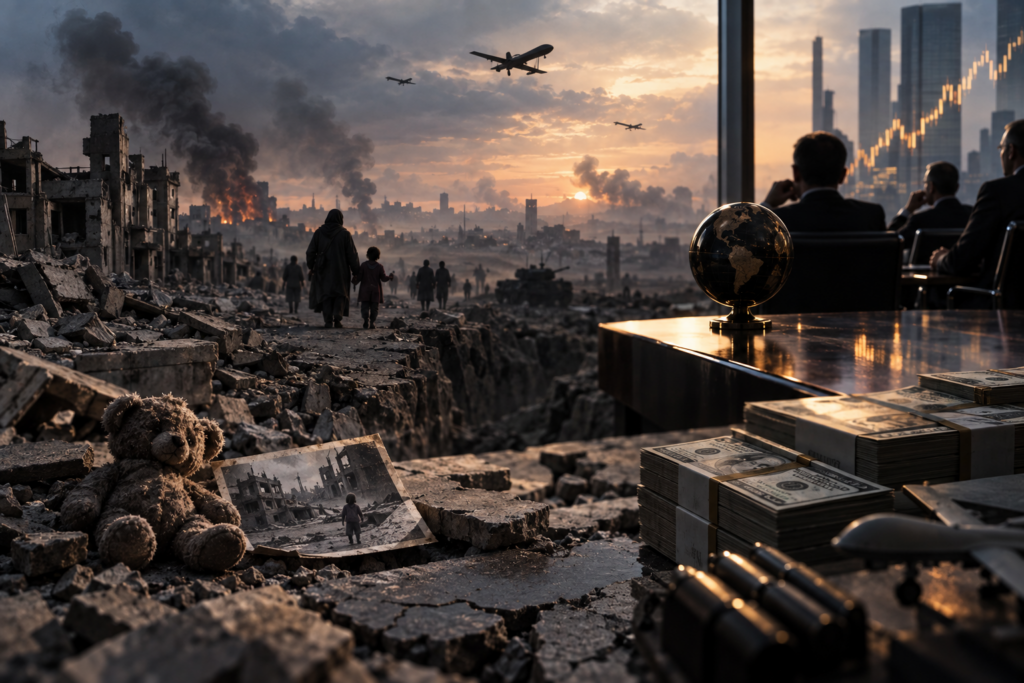
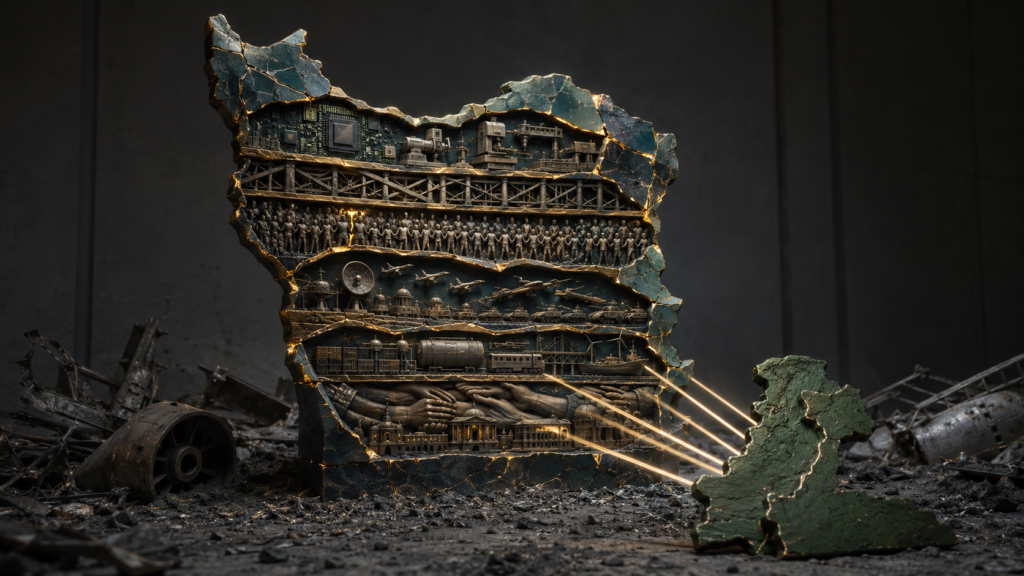
When individuals make peace with loss, they do not erase what happened or excuse the harm done. They simply stop allowing the wound to govern the present. Nations that have done this did so not by denial, but by facing the truth of what happened, and then choosing, deliberately, what they would become next.
Japan emerged from the Second World War occupied and devastated, yet redirected the same discipline that had once fuelled military ambition towards education, industry and quality, becoming the world’s second largest free market economy within two decades. Germany’s path was harder, split into two, but recovery required acknowledging responsibility for the Holocaust before any economic miracle could follow, and its rebuilding rested on constitutional safeguards, education and rule of law. The US turned the trauma of the 1929 crash into banking reform and public works, then converted the mobilisation of the Second World War into decades of scientific and industrial leadership. After foreign domination, civil war and revolutionary upheaval, China redirected national energy from 1978 onward into development and self-reliance, lifting hundreds of millions out of poverty, even as questions about its own historical reckoning remain legitimately open.
The Gulf tells a similar story from a different starting point. Before oil, the Arabian Peninsula was among the most hostile environments on earth: desert, extreme heat, little beyond subsistence. Oil created the opportunity, but leadership converted it into transformation.
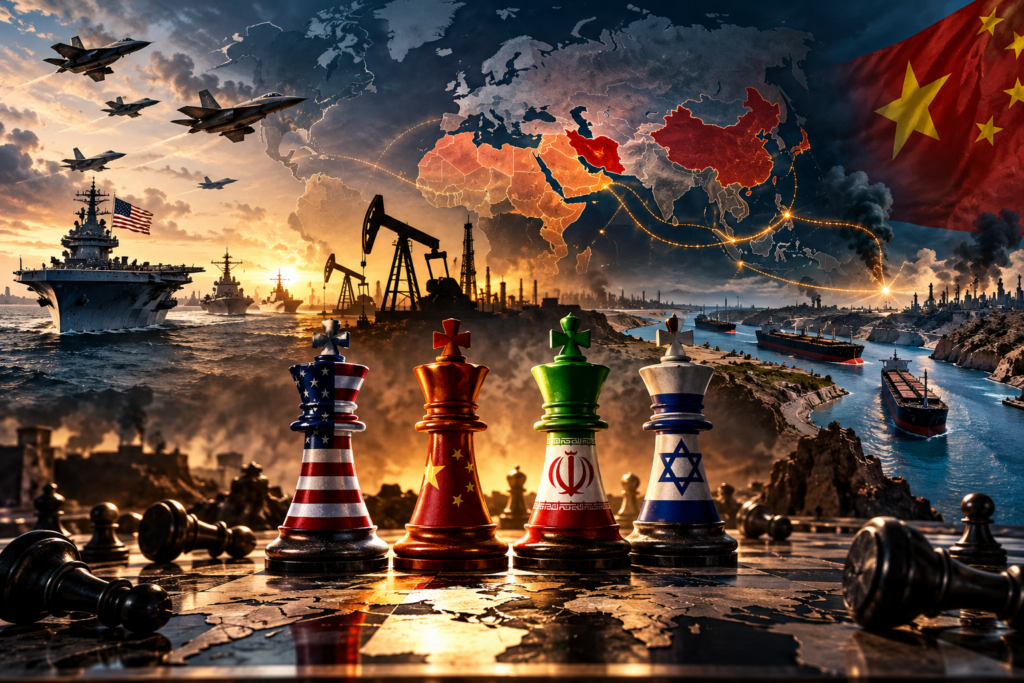
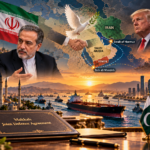
Iran offers a recent, if contested, illustration of this same instinct to endure rather than surrender. This is not a judgment on the policies that led to its isolation, nor a position on the merits of its conduct – only an observation about how nations respond to pressure. The war inflicted upon it earlier this year came from vastly superior military power, and Iran absorbed severe damage, yet it did not collapse or accept the unconditional terms demanded of it. Some trace this to an older cultural memory: the story of Karbala has taught generations of Iranians that suffering need not end in submission. Whichever reading one accepts, repeated hardship, sanctions, isolation and conflict appear to have reinforced a similar instinct to convert grief into strategic patience rather than capitulation. Iran held its ground long enough to negotiate, and today it is being drawn, cautiously, back into a reconstruction process the world is organising around it.
Pakistan, in that same period, discovered something about itself worth honest reflection. Through the Islamabad channel, our leadership hosted the most consequential talks between Washington and Tehran in decades, and both sides credited Pakistan for keeping the door to peace open. This came from geography, credibility and a willingness to engage without picking sides, a rare thing for a country to earn the trust of both belligerents in a great power conflict.
But here is the honest question we must ask ourselves: is diplomatic credibility an achievement or merely an opportunity? It is only an opportunity, but an important one, and that process has already started. The real test is whether we can convert this moment into economic diplomacy, trade, regional connectivity and stronger institutions that serve citizens with greater efficiency and trust. Steps are already being taken to restructure Pakistan’s institutional setup so it is better suited to this moment, and so the nation can leverage the opening it has earned.
We must also turn inward, not to assign blame, but to understand what shaped us: Partition, the separation of East Pakistan, political turbulence, provincial grievances, sectarian violence and terrorism. These need not remain sources of division; confronted with honesty, they can become lessons that strengthen national unity.
Making peace with our past does not mean surrendering truth or accountability. It means naming what happened, honouring those who suffered and building institutions strong enough that mistakes are not repeated by the next generation of leaders, nor excused by the next generation of citizens.
This is not the state’s burden alone. It is also ours, as citizens, as businesspeople and as a diaspora that too often criticises from a distance without doing the harder work of contributing from within. Every nation named above had citizens who chose to build rather than only judge, who invested, returned and stayed engaged when it was easier to walk away.
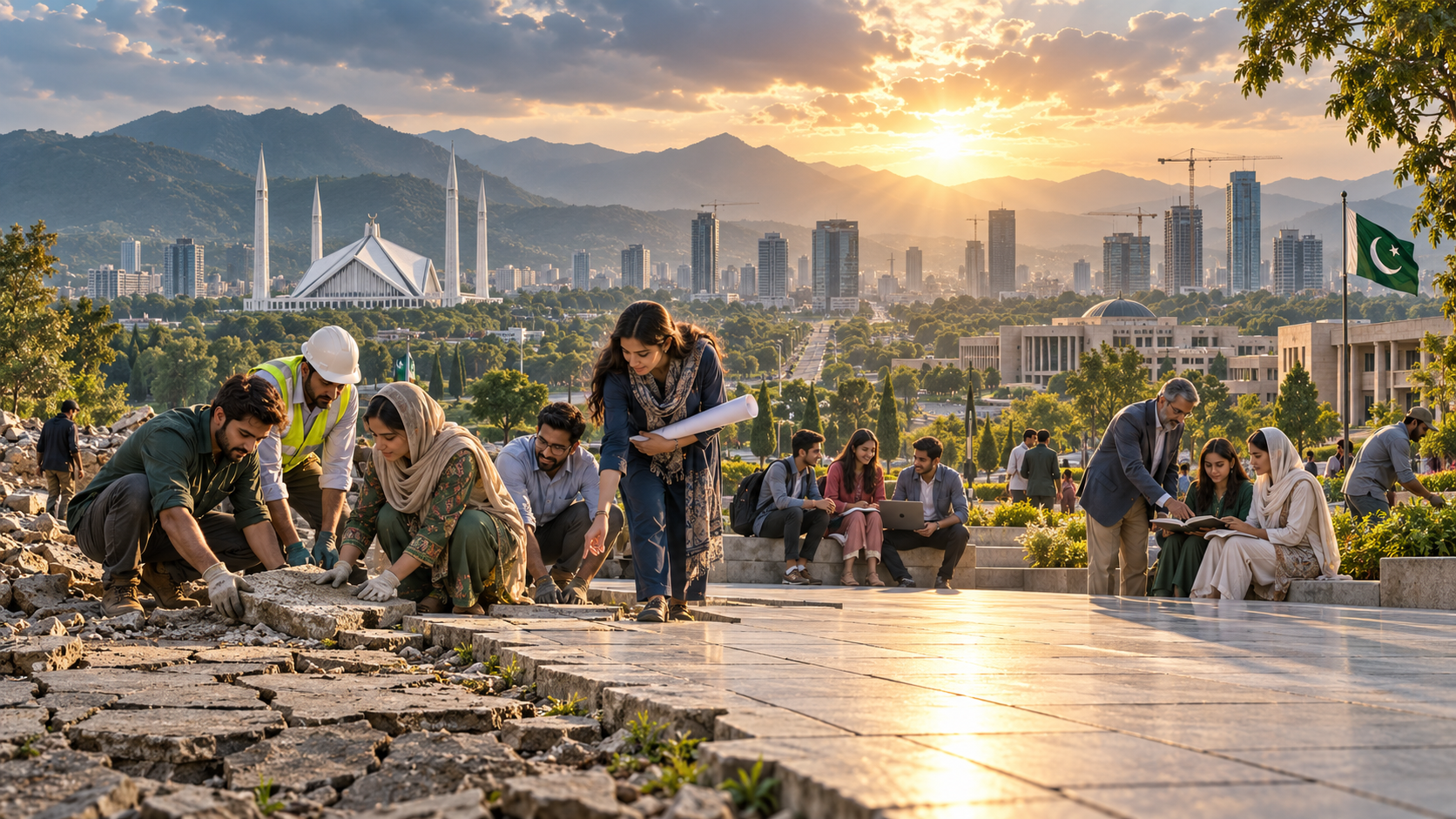
Pakistan has survived more shocks than most nations are asked to endure, and it is still standing, still capable of producing moments like the one just witnessed on the world stage. That is resilience, and it deserves acknowledgement. But resilience without healing turns into exhaustion. Our task now is the quieter, harder work of building the Pakistan our forefathers envisioned, a nation moving from survival to purpose, from reaction to reflection and from trauma to strength. Every nation that has made this journey has learned the same lesson: peace, once converted from grief, holds only if the people are carried along the way, not left to watch from a distance.
None of these nations was spared their trauma. They simply refused to let it write the ending. Every one of these stories holds two things side by side, and Pakistan needs to hold both. Nations cannot heal on willpower alone. They need institutions, honest history, and leadership willing to name what went wrong instead of managing it in silence.
The harder part is about us. Structures do not build themselves. They are built by people, elites and citizens alike, who decide that old habits of blame and short-term survival no longer serve them.
The writer is a former global corporate executive (Unilever, PepsiCo, Yum! Brands), a mental health advocate and a founding board member of Taskeen, a pioneering organisation focused on emotional well-being in Pakistan.
About the Author
Irfan Mustafa
The writer is a former global corporate executive (Unilever, PepsiCo, Yum! Brands), a mental health advocate and a founding board member of Taskeen, a pioneering organisation focused on emotional well-being in Pakistan.
Profile and all publicationsHow to Cite This Article
Mustafa, Irfan. “Surviving is not enough.” Iqbal Forum, October 21, 2026. https://iqbalforum.org/en/?p=52525.


Comments