



Geopolitics’ Inflection Point (Part-1)
Global geopolitics has reached a critical inflection point characterized by the application of ruthless power, military force, and blatant coercion, where powerful states—most notably the US and Israel—dismiss international law and organizations…
AI Analysis
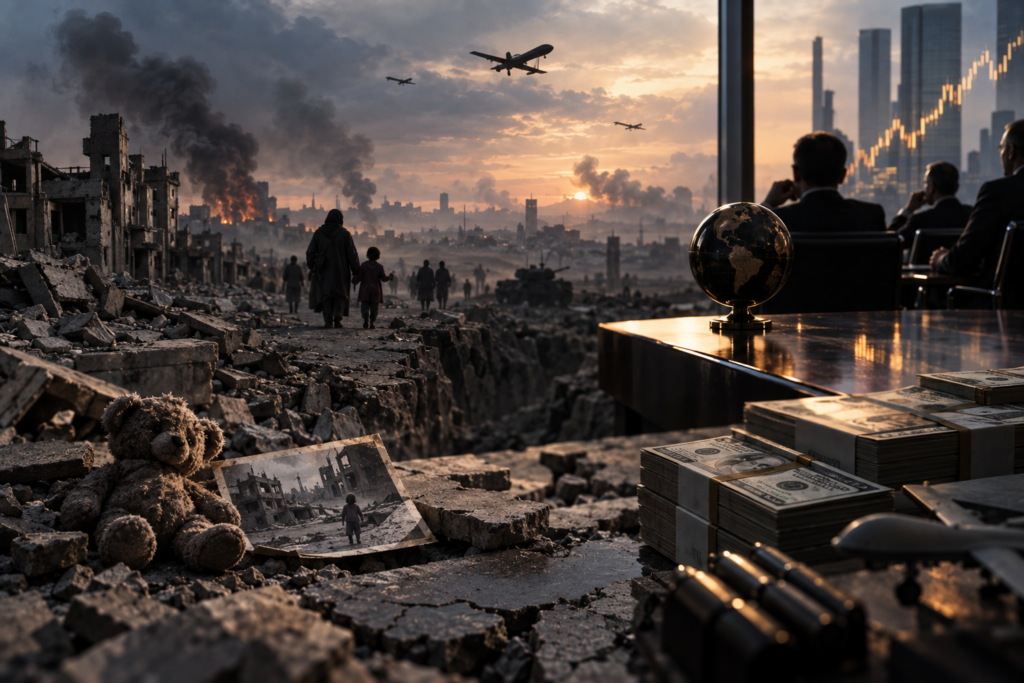
Geopolitics, in all its manifestations, is now in a state of severe flux. It has reached a critical inflection point where pure, gentle diplomacy is being brusquely replaced by the application of ruthless power, undaunted military force and blatant coercion in interstate relationships. The change, though slow to start with, has now acquired a malign, overbearing momentum of its own. A callous use of brute, overwhelming force to secure national interests and objectives is fast becoming the new normal in regional and global geopolitics. Morals and ethics, in all their definitions, avatars and incarnations, appear to have been sacrificed at the altar of national interests. Portentously, militarily and economically powerful states now tend to dismiss international law, its writ and reach, with downright contempt and disdain. International organisations like the UNO, UNESCO, ICC, etc. have not only been belittled, berated, criticised and starved of funds but also accused of being wasteful and ineffective. The rule of international law has been scornfully derided. The writ of the ICC has been circumscribed and its judgements disregarded. The hubris that emanates from this vile, misplaced megalomania now defines the dynamics of brutal power in interstate relationships as well as the domestic politics/policies of an increasing number of states. The US (currently Venezuela, Iran); Israel (genocide in Gaza, West Bank, Lebanon, Syria); India (Pakistan, Indian Illegally Occupied Jammu & Kashmir Region — IIOJK&R); and a few others are the main exponents of this horrendous, malignant malaise.
Severely brutalised geopolitics will henceforth define most interstate relationships.
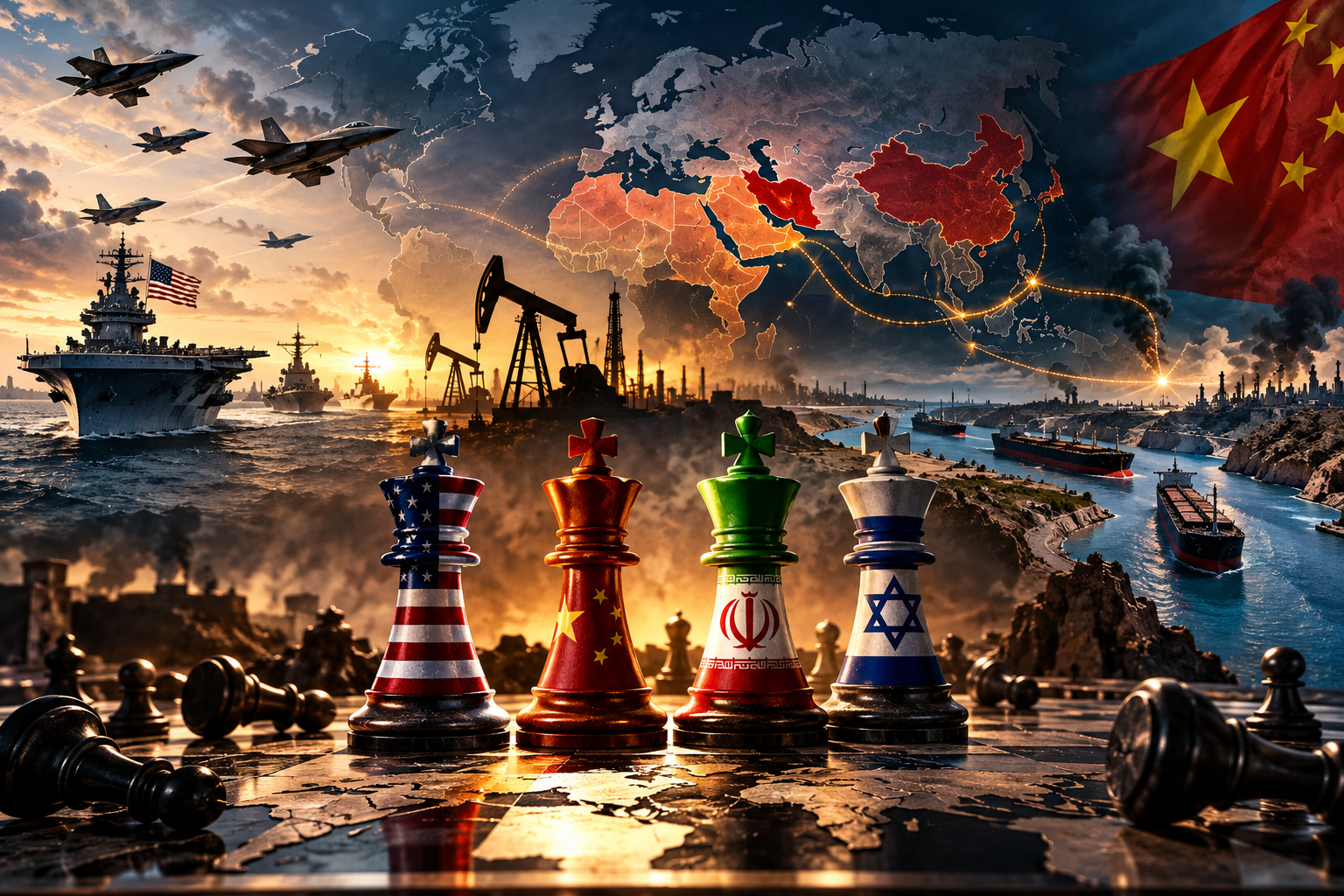
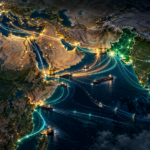
Apparently, it was PM Netanyahu’s hysteria and paranoia over a possibly nuclear-armed Iran which compelled President Trump to initiate this war. A critical look at its grand strategic design is, however, warranted. Deeper, more profound strategic objectives seem to lurk beneath the surface as well. At the grand strategic level, apart from Iran, China and its booming economy appear to be crucial targets too. A virtual stranglehold on China’s supply chain of oil, and thus its economy, could help contain its mercurial rise and multifarious challenges to US global pre-eminence and exceptionalism. China imports oil from all across the globe, taking care that no source provides it with more than 20% of its requirements. Its supply chain of energy, oil and gas is spread from the Middle East (ME), to Russia/Eurasia (17.4%), Latin America, Africa and so on. The ME provides anywhere between 31–50% of its oil imports, depending upon the geopolitical situation at any given point in time. KSA provides 14% of its oil requirements, while in 2025, Iran, on average, exported 1.38 million barrels of oil per day to it. This amounted to 80–90% of Iran’s seaborne oil exports. China imported roughly between 389,000 and 470,000 barrels of oil per day from Venezuela, which came to about 3–5% of its total seaborne imports.
In a deep strategic manoeuvre that preceded the Gulf War, the US kidnapped Venezuela’s erstwhile President and later coerced its government into a one-hundred-year, lop-sided deal, literally acquiring total control over its oil wealth. Consequently, the supply of Venezuelan oil to China dwindled to almost zero! Furthermore, the closure/near closure of the Hormuz Straits and Bab el Mandab waterways/choke points has disrupted China’s supply chains of oil from the ME too. This makes for a crucial double jeopardy for China, with serious implications for its economy and strategic oil reserves as well. Was targeting China’s economy, through such an indirect approach, an intended, albeit undeclared, strategic objective of this war too?
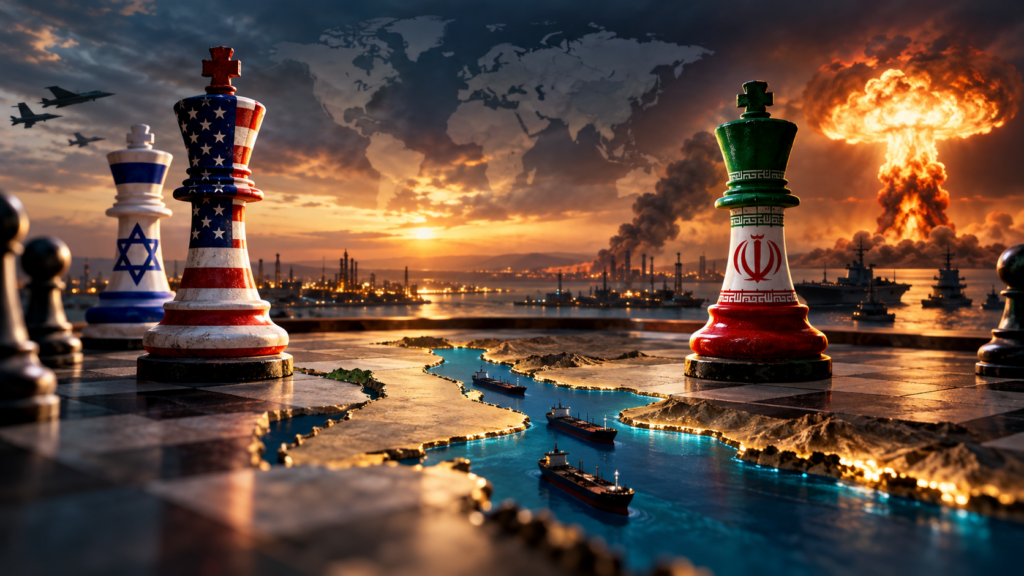
At the regional level, the Gulf Arab states and Iran have had their exports of oil and gas seriously curtailed by the disruption of the SLOC/usual trade routes through the Hormuz Straits and the Bab el Mandab. This has critically truncated their oil and gas exports to the world, especially China, and seriously weakened their economies too. President Trump claims to have eliminated Iran’s nuclear programme and its related infrastructure in totality. However, there seems to be no incontrovertible proof to that effect. Iran has borne the brunt of the US-Israel Combine’s assault and continues to stand tall, defiant and unyielding. Israel is no longer considered the uncontested, overwhelming military power and domineering, fearsome hegemon of the region.
The US has failed to defeat Iran militarily, coerce it economically or cripple it through widespread isolation in the diplomatic arena either. In his speech at the UNGA, President Trump spoke of three main options that he was considering, two of which bordered on the diabolical: one, making a deal with Iran; two, annihilating it completely; three, “driving it to hell with no chances of survival”. Were these mere statements, a part of his relentless rhetoric on the war, or could these threats be truly manifested? If so, then how? Could these be interpreted as subtle indicators of the imminent/future use of non-conventional/nuclear weapons? Is the US-Israel Combine now running out of viable options at the conventional level to bring this war to an acceptable closure? Does the US now feel compelled to ratchet up the escalation ladder and resort to non-conventional means and measures, not used in anger since World War 2? If so, then does it imply that all efforts at diplomacy and mediation have failed and that there are no other non-violent, non-lethal options left or available? Have all other options been tried and found wanting? Has the strategic environment deteriorated to the extent that the employment of non-conventional means has become inevitable? Nuclear weapons are generally not considered war-fighting tools. They are supposed to deter war and, vitally, preserve peace.
About the Author

Imran Malik
Retired BrigadierThe writer is a retired brigadier of the Pakistan Army.
- Politics
How to Cite This Article
Malik, Imran. “Geopolitics’ Inflection Point (Part-1).” Iqbal Forum, October 8, 2026. https://iqbalforum.org/en/geopolitics-inflection-point-part-1/.



Comments