



No end in sight
President Masoud Pezeshkian’s assertion that the US and Israel are employing a strategy to foster internal divisions after failing to conquer Iran through military force is grounded in a seven-month conflict that…
AI Analysis
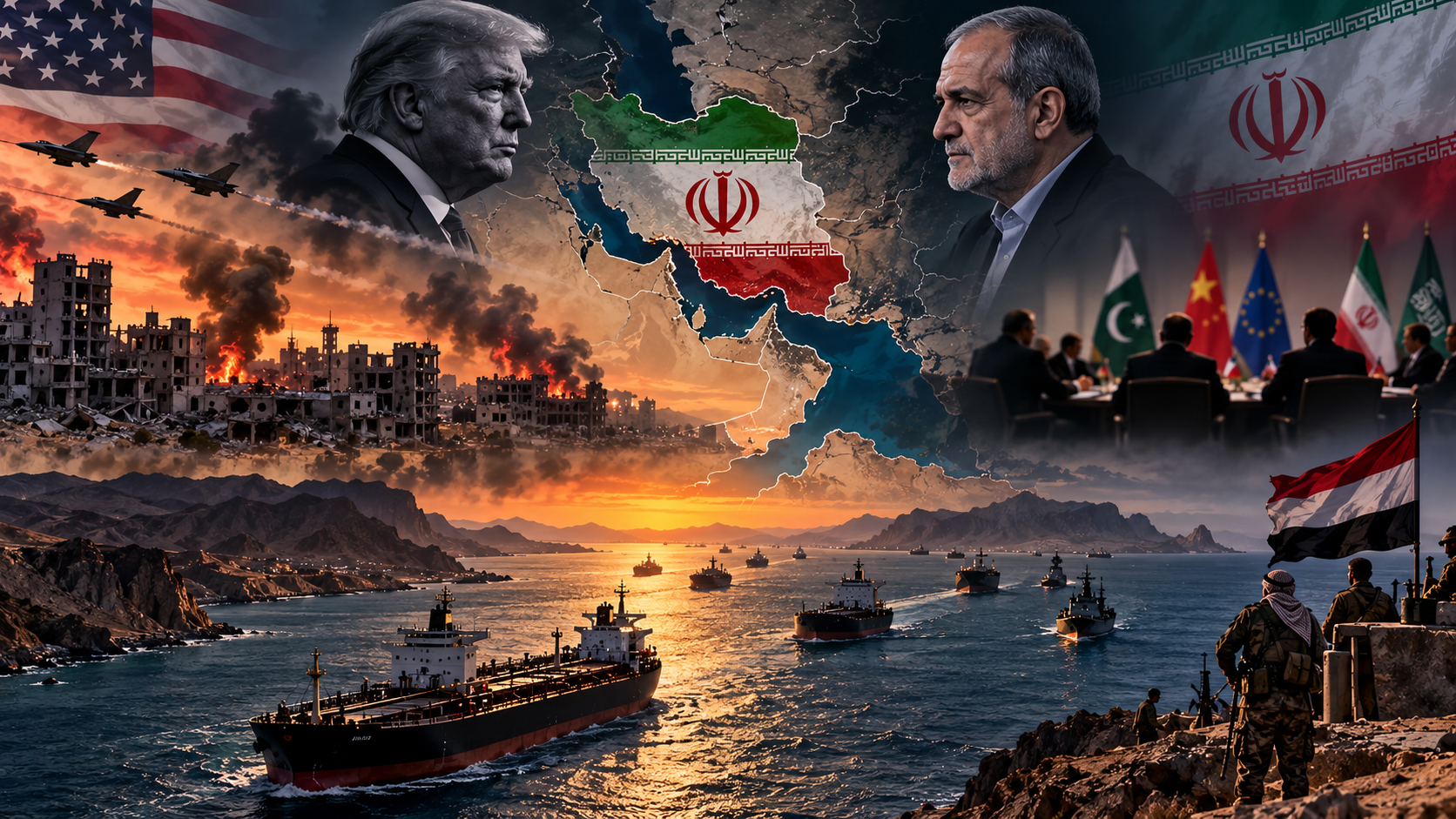
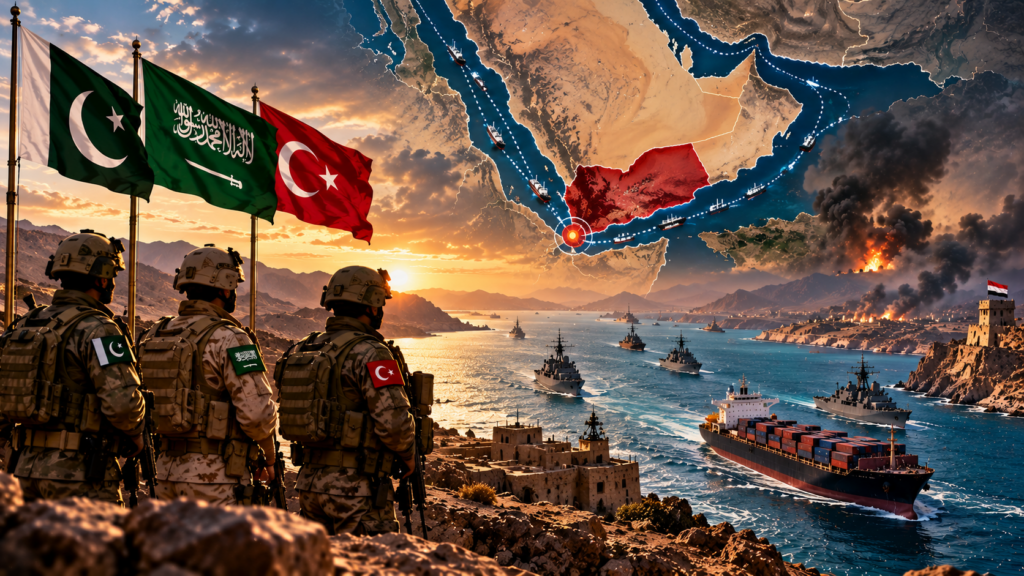
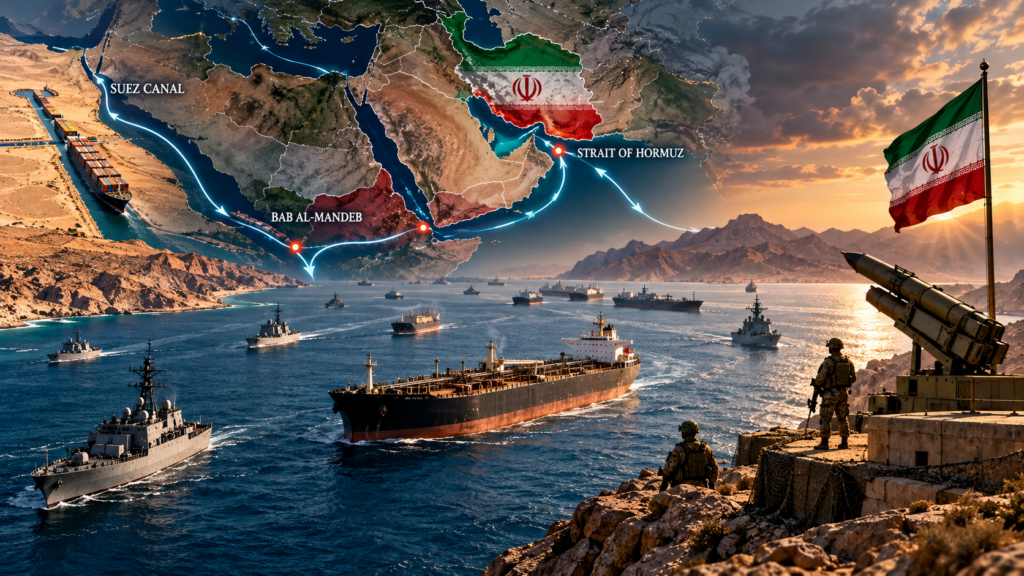
Iranian President Masoud Pezeshkian has said that the US and Israel are pursuing a strategy of sowing and exacerbating internal divisions after failing to conquer Iran through military force. There is some basis for this assessment. The conflict that began with US-Israeli strikes on Iran on February 28 has now entered its seventh month, with no durable end in sight. A temporary ceasefire in April and the subsequent Islamabad memorandum failed to produce a lasting settlement, while diplomatic efforts have continued alongside military escalation. The crisis has now spread well beyond the Strait of Hormuz. The Houthis have expanded their control and operations around the strategically vital Bab al-Mandab waterway and have carried out attacks against Saudi Arabia. Efforts are nevertheless being made by several countries to prevent the conflict from spiralling further, with Pakistan playing an active diplomatic role. Diplomatic efforts are also taking place between Washington and Tehran, as well as across the Gulf and wider Middle East. Iran has conveyed its conditions to Washington through mediators and negotiations remain focused on issues including sanctions, the Strait of Hormuz and its nuclear programme. Iranian Foreign Minister Abbas Araghchi has rejected claims that Tehran has compromised on its nuclear position. Meanwhile, US President Donald Trump continues to question whether Iran is prepared to make concessions, while insisting that Tehran is suffering badly. Yet Iran has continued to retaliate despite the deaths of senior Iranian figures and large numbers of civilian casualties.
The costs of this prolonged conflict are becoming increasingly difficult to ignore. The Congressional Budget Office estimates that the US Department of Defense had already spent approximately $38 billion on the conflict by August 1. Depending on the intensity of fighting, the CBO estimates that the war could cost another $2 billion to $3 billion every month. These figures cover military operational costs and do not capture the full economic and human cost of the conflict. The wider world is paying its own price. Disruption to oil and gas shipments through Hormuz and the Red Sea has pushed up energy prices and added to inflationary pressures. For countries already struggling with inflation, weak currencies and fragile economies, another prolonged energy shock could be devastating. The past seven months have shown that a war involving major powers and strategically vital waterways cannot remain a contained regional conflict. It threatens energy security, global trade and economic stability across continents. This is the grim reality of a war whose consequences are being borne not only by the combatants but by ordinary people far removed from the battlefield.
There is another worrying dimension to the crisis: the battle for the regional narrative. Israel has consistently used media and diplomatic channels to malign Muslim countries and sow discord. As the third anniversary of the Gaza war approaches, the international community must not allow attention to be diverted from the enormous civilian toll and the unresolved question of accountability for the devastation in Gaza. The US cannot dissociate itself from the consequences of Israel’s actions while continuing to provide political and military support. Nor can the international community afford another cycle in which misinformation, competing narratives and regional rivalries obscure the urgent need for diplomacy. Pakistan and other mediating countries should continue their efforts to bring the parties back to the negotiating table. Ultimately, however, Washington and Tehran must recognise that military force cannot provide a permanent substitute for negotiation. What is needed now is a serious diplomatic effort to end the war before an already dangerous regional crisis becomes an even wider catastrophe.
About the Author

Editor NEWS
No biographical details were provided for Editor News in the input data. This profile records the byline as an author entry, with no additional supplied facts.
Profile and all publicationsHow to Cite This Article
NEWS, Editor. “No end in sight.” Iqbal Forum, October 3, 2026. https://iqbalforum.org/en/?p=50417.





Comments