

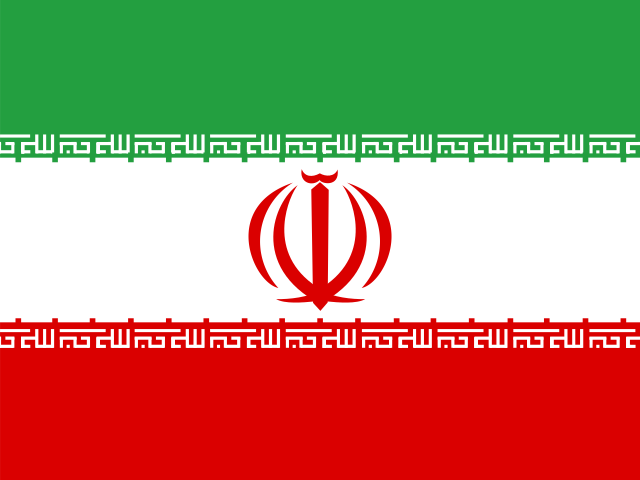


Deadline Denied
Foreign Ministry spokesman Esmaeil Baqaei made clear on Monday that Iran firmly rejected claims that a 60-day deadline formed part of its memorandum of understanding with the United States, stressing that Tehran…

AI Analysis
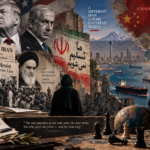
Iran has firmly rejected the suggestion that a 60-day deadline ever formed part of its agreement with the United States. Foreign Ministry spokesman Esmaeil Baqaei made that clear on Monday, saying no such deadline appears in the actual text of the memorandum of understanding. Tehran, he stressed, will not bow to pressure or accept ultimatums; its decisions will be guided by national interests and security considerations, not by timelines imposed from Washington.
The point matters. The agreement was meant to create space for serious negotiations over sanctions relief and Iran’s nuclear programme. It was not supposed to become a countdown clock for renewed confrontation. Yet Washington’s subsequent insistence on a 60-day window has allowed an already fragile diplomatic understanding to become entangled in a dispute over terms that Tehran says were never agreed in the first place.
More damaging still is Iran’s assertion that the United States itself violated the understanding before formal negotiations could properly begin. Tehran argues that American actions undermined the very framework that was supposed to make talks possible. If that account is correct, Washington cannot credibly insist on compliance with a deadline that Iran says neither appears in the text nor survived the breakdown of the agreement itself.
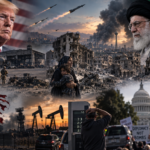
The consequences are no longer confined to diplomatic language. Tensions have spread across the Gulf. Iranian forces have struck shipping in the Strait of Hormuz, while the United States has responded with military strikes on Iranian targets. Yemen’s Houthis have added another layer of danger through a naval blockade that has threatened yet another critical maritime route. Three Iranian pilots remain missing, while an oil spill has damaged the coastline of Qeshm Island and prompted demands from Tehran for accountability.
This is no longer simply a disagreement over diplomatic interpretation. It is a dangerous spiral intertwining global energy markets, maritime security and the stability of the wider region. The deeper problem is not merely the rhetoric surrounding deadlines, but the collapse of trust before meaningful talks could even begin.
The world cannot afford to watch the situation drift further towards open conflict. Mediators, including the Gulf states and other international actors that helped facilitate the original understanding, must now work to restore a negotiating channel. Waiting will only deepen the damage. Genuine mediation, rather than artificial deadlines and pressure tactics, remains the only credible route back to the table. *
Article Authors

Editor
This contributor is identified as an editor. No further information about background or field of work is provided.
View Profile


Comments