



New diplomatic frontier
Military diplomacy utilizes military capabilities to advance national interests through both coercive and non-coercive means, historically evolving from early security pacts like the Battle of Kadesh and Westphalian diplomatic missions to modern…
AI Analysis
Military diplomacy is the art of using military capabilities to advance a country’s national interests and foreign policy objectives.
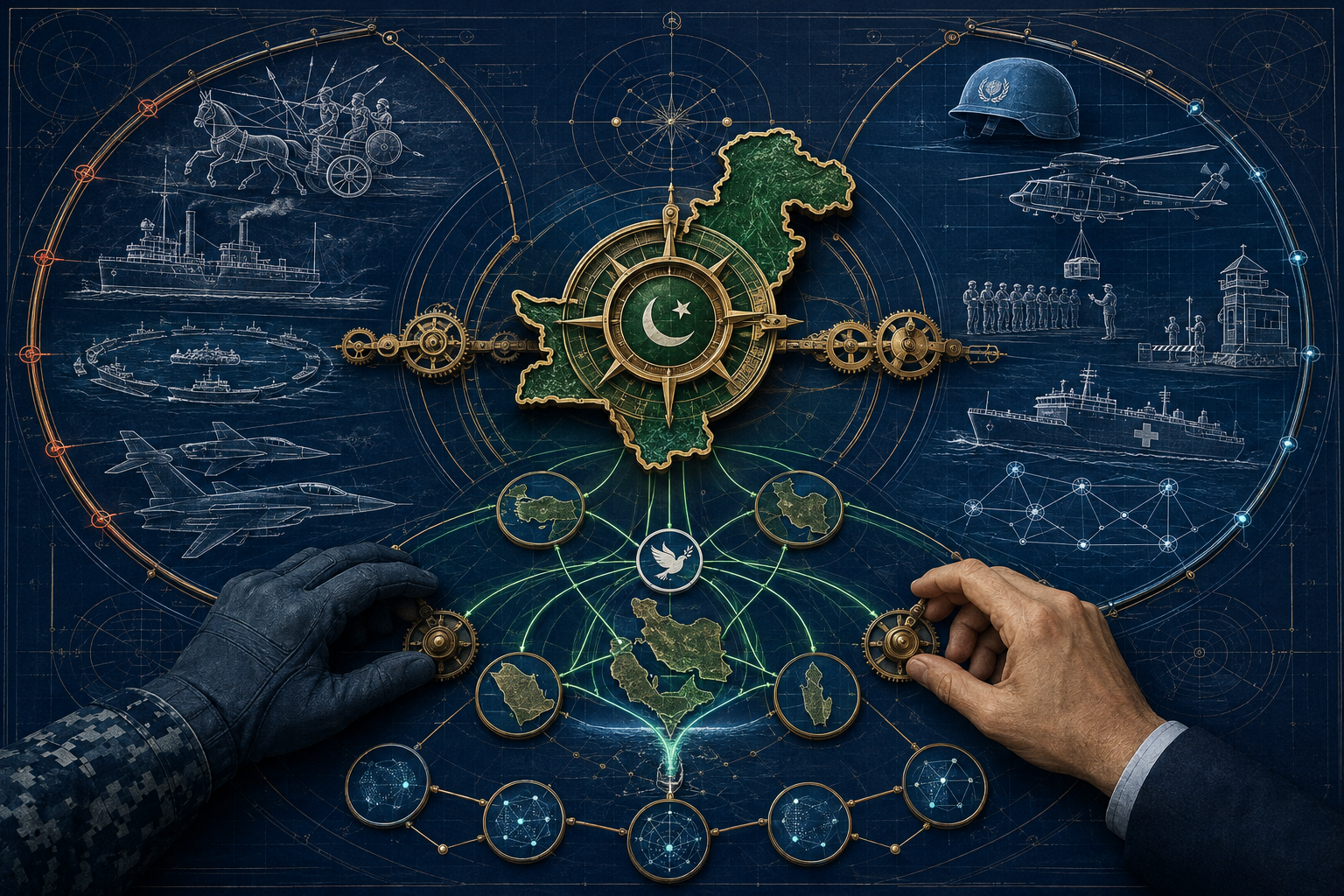
Military diplomacy has two active components: coercive and non-coercive diplomacy. It serves as a vital link between security policy and broader foreign policy goals, allowing nations to build a climate of trust and pursue common security objectives through operations other than war (OOTW). Global and middle powers have used military diplomacy to advance their foreign policy objectives in pursuit of their national interests since antiquity.
The famous Battle of Kadesh between the Egyptians and Hittites in 1258 BC gave rise to an agreement that guaranteed peace based on provisions of mutual support in the event of an attack by another foe, and respect for land and maritime boundaries. The establishment of permanent diplomatic missions following the Peace of Westphalia in 1648 anchored military diplomacy within the broader framework of diplomacy. The defence attaches’ staff in permanent missions and embassies performed important military diplomacy functions, such as promoting defence collaboration, gathering essential intelligence and forging military networks that facilitated strategic military alliances between countries.
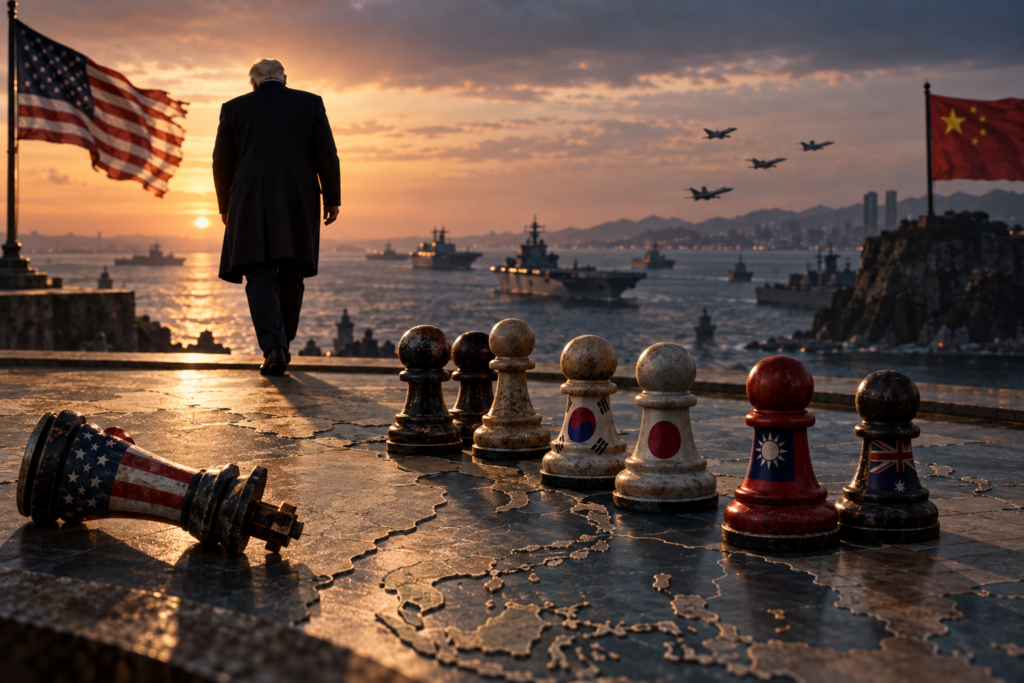
The classic example of coercive military diplomacy is the famous gunboat diplomacy employed by the US when Commodore Matthew Perry sailed into Tokyo Bay with a squadron of US Navy warships in 1853, ending Japan’s 200-year-old policy of isolation through the Treaty of Kanagawa on March 31, 1854. Another example is the Cuban Missile Crisis, when the US naval blockade and the threat of an air strike resulted in the withdrawal of Soviet missiles from Cuba. Non-coercive military diplomacy includes UN peacekeeping missions, military training collaboration, and disaster relief operations.
Peacekeeping, peacebuilding, and post-conflict reconstruction and development rely on multilateral defence diplomacy as a supplement to bilateral defence relations. Some current examples of multilateral military diplomacy include the Rim of the Pacific (RIMPAC) exercise, an international maritime warfare drill held biennially by the US Pacific Command, featuring navies from 31 countries, including China.
Another example is the Joint Military Commission between Eritrea and Ethiopia following the 2018 peace agreement, which settled the border issue through regular contacts between military representatives of both countries. Another successful example of military diplomacy is the conflict-prevention role of the Economic Community of West African States (ECOWAS), which, under its 1999 Protocol Relating to the Mechanism for Conflict Prevention, maintains peace through the ECOWAS Standby Force (ESF).
In Asia, the ASEAN Defence Ministers’ Meeting (ADMM) and the ASEAN Defence Ministers’ Meeting Plus (ADMM-Plus) are important platforms for defence diplomacy that contribute to conflict prevention and confidence-building through regular meetings of working groups comprising defence diplomats and associated stakeholders. There are, however, very few examples of a direct mediatory role in conflict prevention or resolution by defence diplomats. It is an area in which several middle powers, including Canada, Turkiye, Norway and Pakistan, along with Gulf countries such as Saudi Arabia and Qatar, have started playing a role.
Pakistan, as an important middle power in South Asia, has staked a claim to military diplomacy’s efficacy through direct mediation in the Iran-Israel and US conflict. Pakistan is breaking new ground through non-coercive military diplomacy with tangible outcomes. The Islamabad MoU is a concrete manifestation of successful military diplomacy by Pakistan’s military leadership, with the full support and confidence of the country’s civilian political leadership. It is worth highlighting, however, the factors underpinning the successful mediatory efforts of Pakistan’s military leadership.
The first factor that aided the success of Pakistan’s military diplomacy was the reputational boost following its successful military defence against Indian aggression in May 2025. The whole world appreciated how Pakistan foiled the aggressive designs of a regional bully that manufactured a casus belli for a conflict that could easily have escalated into a general war had Pakistan not shown restraint and measured retaliation in deference to international law. The second most important factor was Pakistan’s good relations with all major global and regional powers, including China, the US, Russia, the EU, Saudi Arabia, Turkiye and Iran.
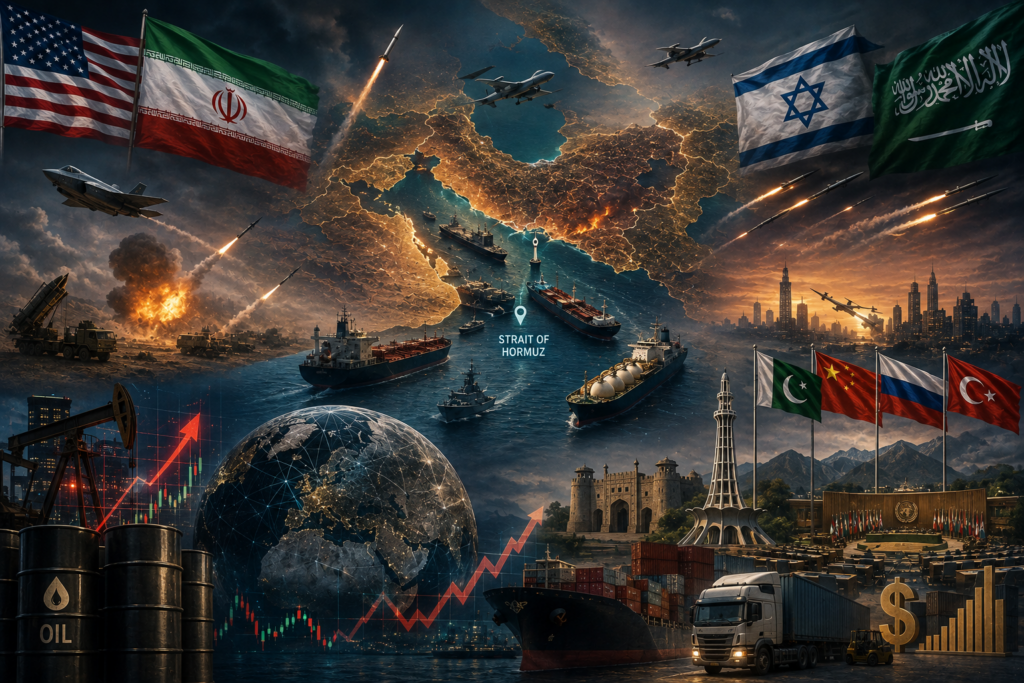
Perhaps the most important factor was winning the trust of the most aggrieved protagonist in the conflict, namely Iran, which had been on the receiving end of Israeli and US attacks. Iran’s retaliation against the two attackers, as well as against the Gulf and Middle Eastern countries that had provided basing rights to them, added another layer of complexity to the mediatory efforts.
Pakistan was the only country that stayed neutral and offered its sincere mediation without any strings attached. Since Pakistan had enlisted regional as well as global consensus, including important stakeholders such as China, it lent added credibility to its mediatory efforts, dousing the flames of a conflict that portended catastrophic military, humanitarian and economic consequences not only for the warring nations but for the entire world.
It was a new model of military diplomacy in which the military leadership and its reputational heft provided a breakthrough and a solid foundation for civilian diplomatic and mediatory efforts in the midst of a conflict. Another palpable manifestation of this elevated military diplomacy was the recognition by important regional powers in the Middle East, such as Saudi Arabia, which concluded a Strategic Mutual Defence Agreement with Pakistan during the conflict. This agreement further bolstered Pakistan’s role as a peacebuilder, while assuaging the concerns of both Iran and Saudi Arabia.
The newfound relevance of Pakistan’s military diplomacy for peace and security in the Middle East is evident in the emergence of a Middle East Quad comprising Egypt, Turkiye, Saudi Arabia and Pakistan, whose raison d’etre is the preservation of regional peace. Pakistan is also a founding member of the newly established Maritime Defence Alliance of 14 countries based in Saudi Arabia.
The success of Pakistan’s military diplomacy is a combination of fidelity to the ideals of international law and the state’s interest in preventing regional war through the fusion of military and soft power.
Article Authors


Comments