



Trust in deficit
The renewed talks between the US and Iran offer hope amid dangerous escalations, yet mixed signals from both sides hinder a lasting settlement as Donald Trump claims positive negotiations occurred while simultaneously…
AI Analysis
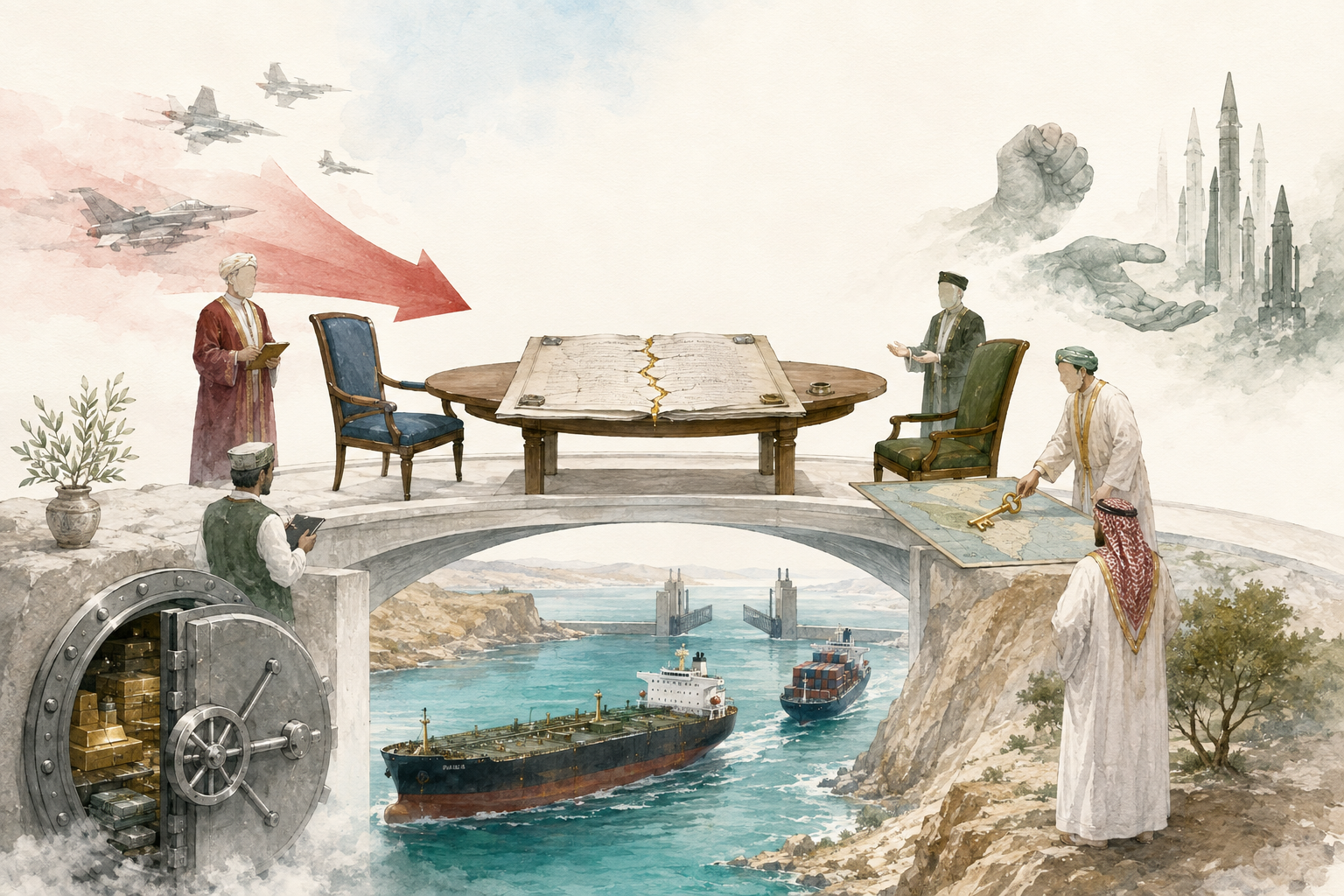
The renewed talk of negotiations between the US and Iran offers a glimmer of hope after weeks of dangerous escalation, but if the latest statements from Washington and Tehran are any indication, both sides continue to send mixed signals that make a lasting settlement increasingly difficult. US President Donald Trump has claimed that there was an “all-day negotiation” with Iran on Tuesday, describing the discussions positively while simultaneously warning that Iran would be hit “really hard” if no agreement is reached. He also declared that the Strait of Hormuz would be “open very soon” or Iran would face severe military action. Earlier, Trump had similarly claimed that progress had been made while cautioning that the “hardest hit is yet to come” should diplomacy fail. He even asserted that he had postponed what he described as the “biggest military attack since World War II” after Saudi Crown Prince Mohammed bin Salman urged him to pursue diplomacy instead.
Tehran, however, presents a very different picture. Iran has confirmed discussions with Oman regarding a temporary shipping route through the Strait of Hormuz to allow commercial traffic to resume. Yet Iranian officials insist that any agreement with Muscat will not automatically reopen the strategic waterway. More importantly, they maintain that these talks do not involve the US. Iranian officials have repeatedly stressed that the reopening of the strait depends on a change in American behaviour. They also accuse Washington of attempting to influence negotiations through military pressure and of deliberately delaying an agreement. Given the repeated threats accompanying Washington’s calls for dialogue, such accusations cannot simply be dismissed. The stakes could hardly be higher. Pakistan and Jordan have both emphasised the importance of dialogue and diplomacy to de-escalate the Iran-US conflict. The 40-day war on Iran has already inflicted considerable damage on the global economy by fuelling an energy crisis. Should the present trajectory continue, the consequences for international trade, energy markets and regional stability may become irreversible.
Recent history also explains why Tehran remains deeply sceptical of Washington’s intentions. When the Islamabad Memorandum of Understanding was signed, a temporary ceasefire agreed in April had already created the space for diplomacy. However, the agreement quickly unravelled because the US failed to fulfil its commitments while concentrating almost exclusively on securing the Strait of Hormuz. The collapse of the understanding paved the way for renewed American strikes inside Iran, while Tehran responded with attacks on US military bases across the region, describing them as acts of self-defence. Because of this experience, Saudi Arabia and other Gulf states are eager to see negotiations resume. They recognise that any further escalation could eventually draw more regional countries into direct confrontation. Such a scenario would only play into the hands of Zionist Israel by widening the conflict across the Middle East. Negotiations, therefore, remain the only sensible path forward. But, if diplomacy is to have any chance of success, Washington must move beyond alternating between threats and offers of dialogue. It must provide credible guarantees that it will honour future commitments and implement meaningful confidence-building measures. Returning Iran’s frozen assets as a gesture of goodwill would be a logical first step. Sustainable peace will require trust – and trust can only be rebuilt through actions rather than ultimatums.
Article Authors

Editor
This contributor is identified as an editor. No further information about background or field of work is provided.
View Profile

Comments