



Some normalcy
CDF-COAS Field Marshal Syed Asim Munir’s visit to Tehran highlights Pakistan’s ongoing role as a mediator between the US and Iran. Iranian Foreign Minister Abbas Araghchi reiterated that reopening the strategic waterway…
AI Analysis
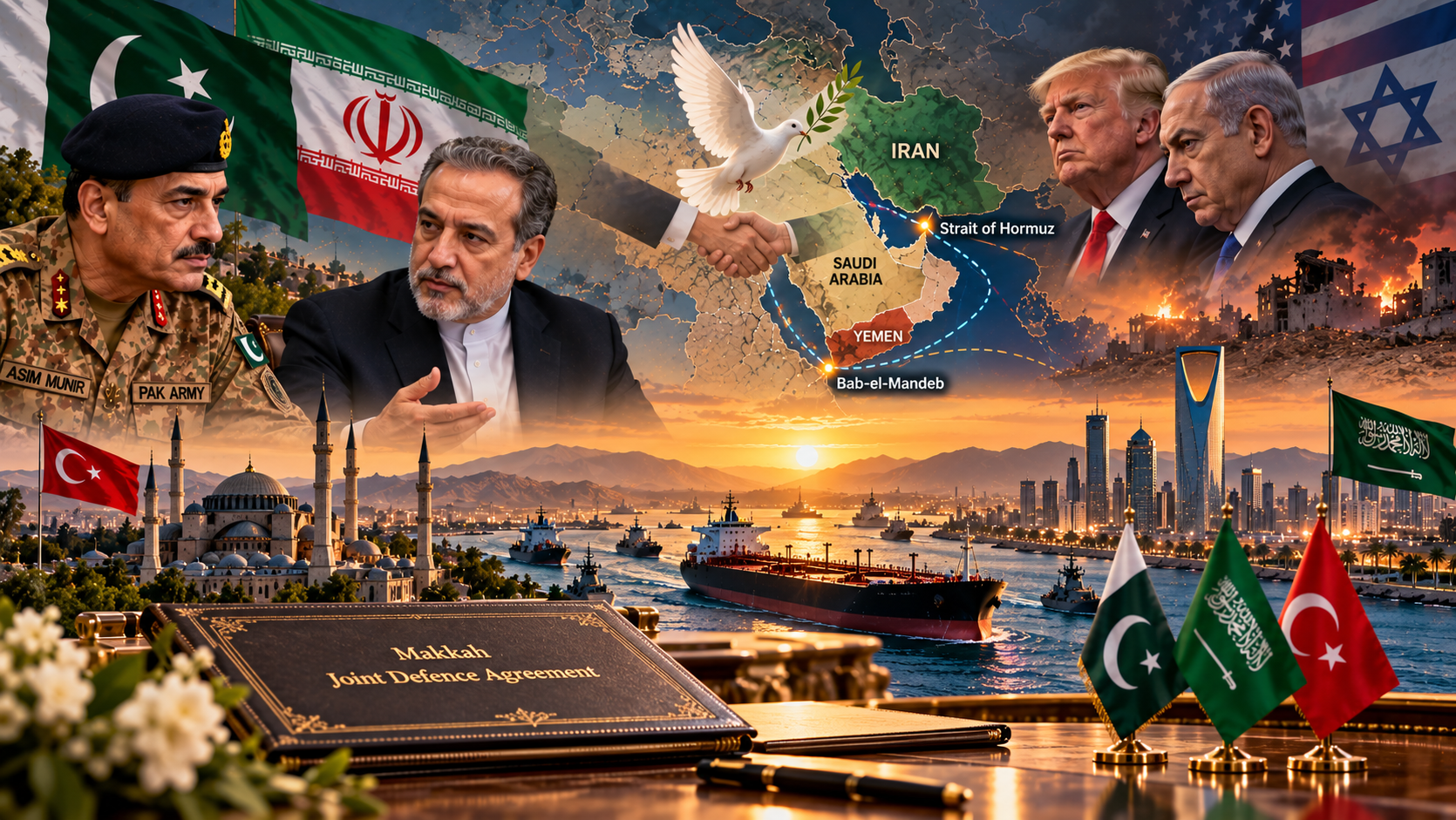
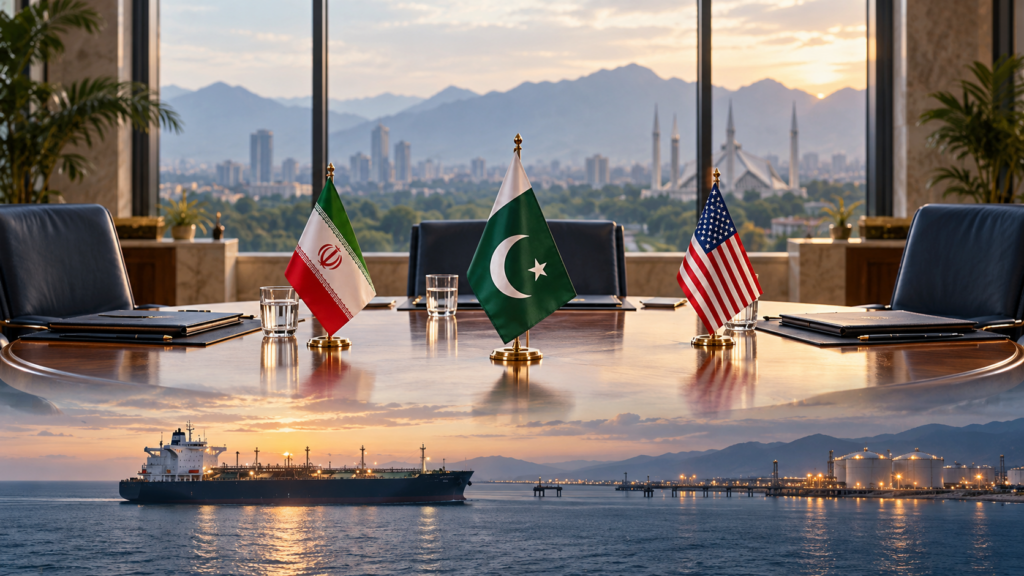
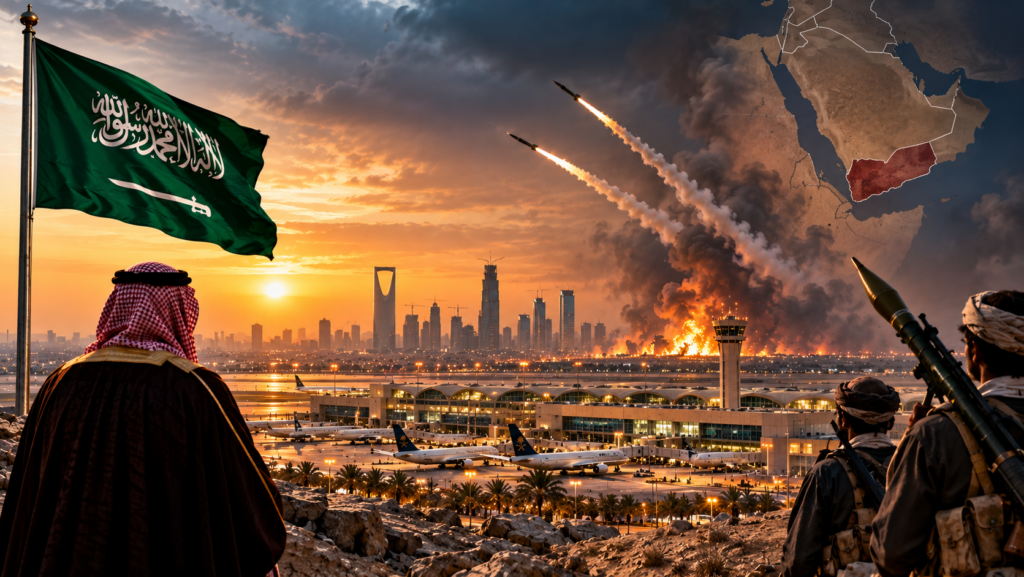
CDF-COAS Field Marshal Syed Asim Munir’s visit to Tehran on Tuesday shows that Pakistan’s is continuing to play its role as a mediator between the US and Iran. Iranian Foreign Minister Abbas Araghchi had earlier said that Tehran’s proposal to reopen the strategic waterway within seven days remained on the table, subject to Washington’s response to Iran’s demands: lifting the US blockade on Iranian ports, easing sanctions on oil exports and ending hostilities across regional fronts. Washington, meanwhile, insists that Iran’s nuclear programme must be addressed first. Araghchi has maintained that Iran remains committed to a dignified, peaceful resolution while being prepared to defend itself. Meanwhile, Yemen’s internationally recognised government forces continue fighting Houthi rebels, who are targeting Saudi Arabia. Pakistan is expected to raise this escalation with Tehran, having previously urged Iran to use its influence to halt the attacks. Iran’s response has been that it does not control the Houthis.
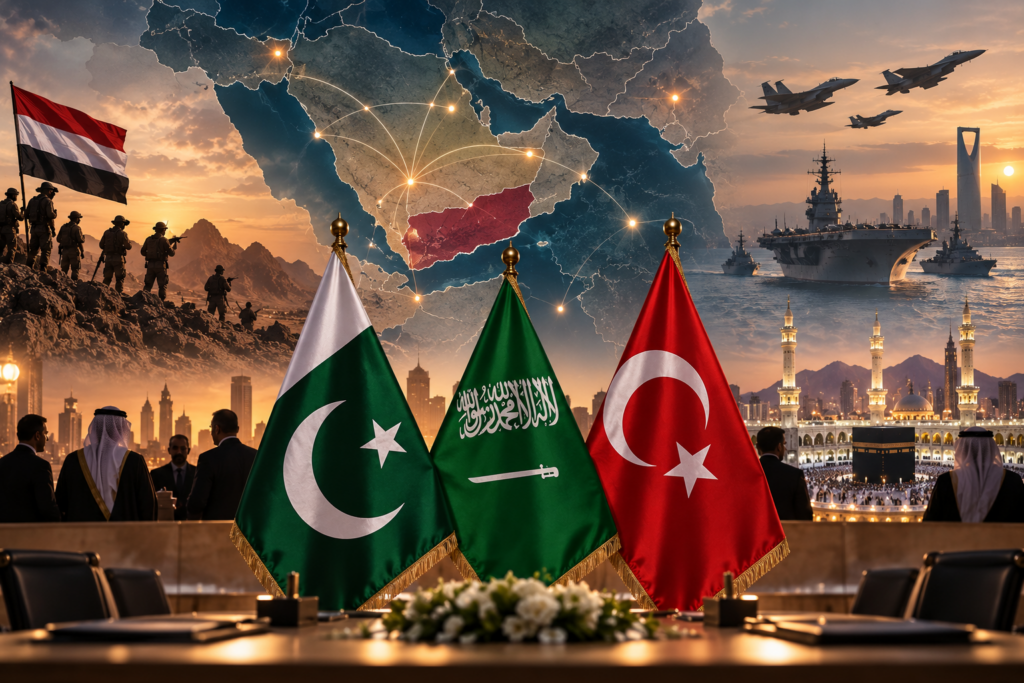
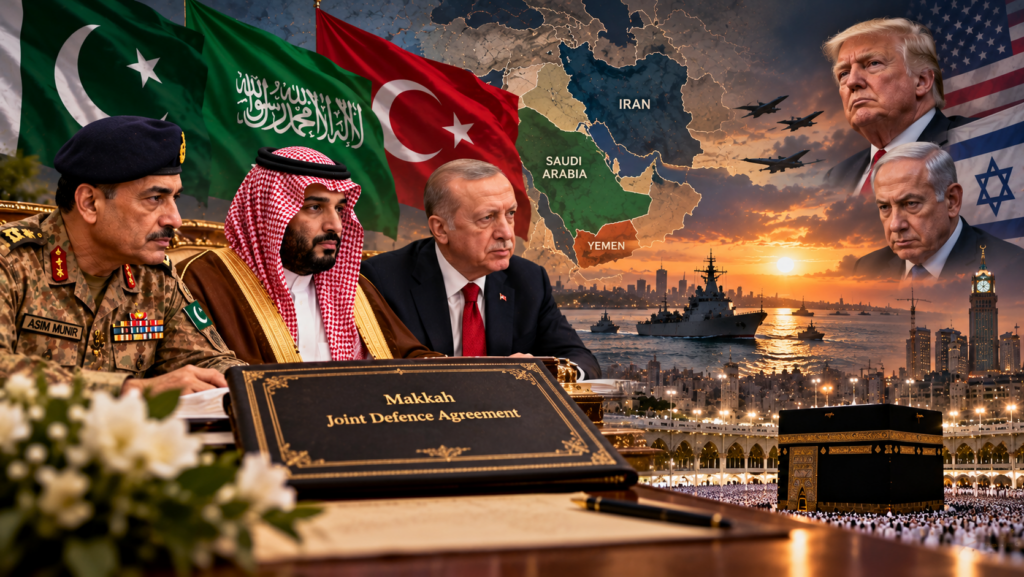
The widening regional crisis also explains the significance of the Makkah Joint Defence Agreement. The pact obliges Pakistan, Saudi Arabia and Turkiye to assist one another in defence for at least 10 years. It has no expiration date, and withdrawal is permitted only after the initial decade, with three months’ written notice to the other parties. Its first article commits members to using “all necessary means” to eliminate threats to one another’s territorial integrity, sovereignty and internationally recognised borders. Pakistan and Turkiye are consequently at the forefront of helping Saudi Arabia confront imminent security threats. Beyond this arrangement, Turkiye, Qatar, Pakistan and Indonesia have signed an agreement to deepen defence cooperation and strengthen defensive capabilities. There is obviously a growing recognition among regional and middle powers that they must protect their security amid the consequences of decisions taken by Washington and Tel Aviv.
The region has been transformed since the Gaza genocide began three years ago, with Israel continuing to commit war crimes as the catastrophe persists. The US-Israel war against Iran has compounded this instability, pushing the world towards a level of disorder unseen in decades. Washington’s insistence that its objective is solely to prevent Iran from acquiring nuclear weapons rings hollow when its actions risk unleashing a much wider catastrophe. President Trump should have halted hostilities after the Islamabad Memorandum of Understanding was signed, rather than persisting with a belligerent approach that leaves the region and the wider world apprehensive about unprecedented consequences. Neither continued warfare nor expanding military alliances can substitute for a political settlement. The immediate priorities must be clear: Washington must end its conflict with Iran, and the Houthis must cease their attacks on Saudi Arabia. The objective must be a return to some sense of normalcy.
About the Author

Editor The News
No detailed biographical information is provided for Editor The News. This profile records the author under the supplied name, with no further details about the author’s background provided.
Profile and all publicationsHow to Cite This Article
News, Editor The. “Some normalcy.” Iqbal Forum, October 22, 2026. https://iqbalforum.org/en/?p=52627.



Comments