



Will West Asia slide into another war?
West Asia faces a dangerous juncture due to US-Israeli military preparations for potential strikes on Iran, which risk triggering a wider regional war through miscalculation despite upcoming elections in Israel and the…
AI Analysis
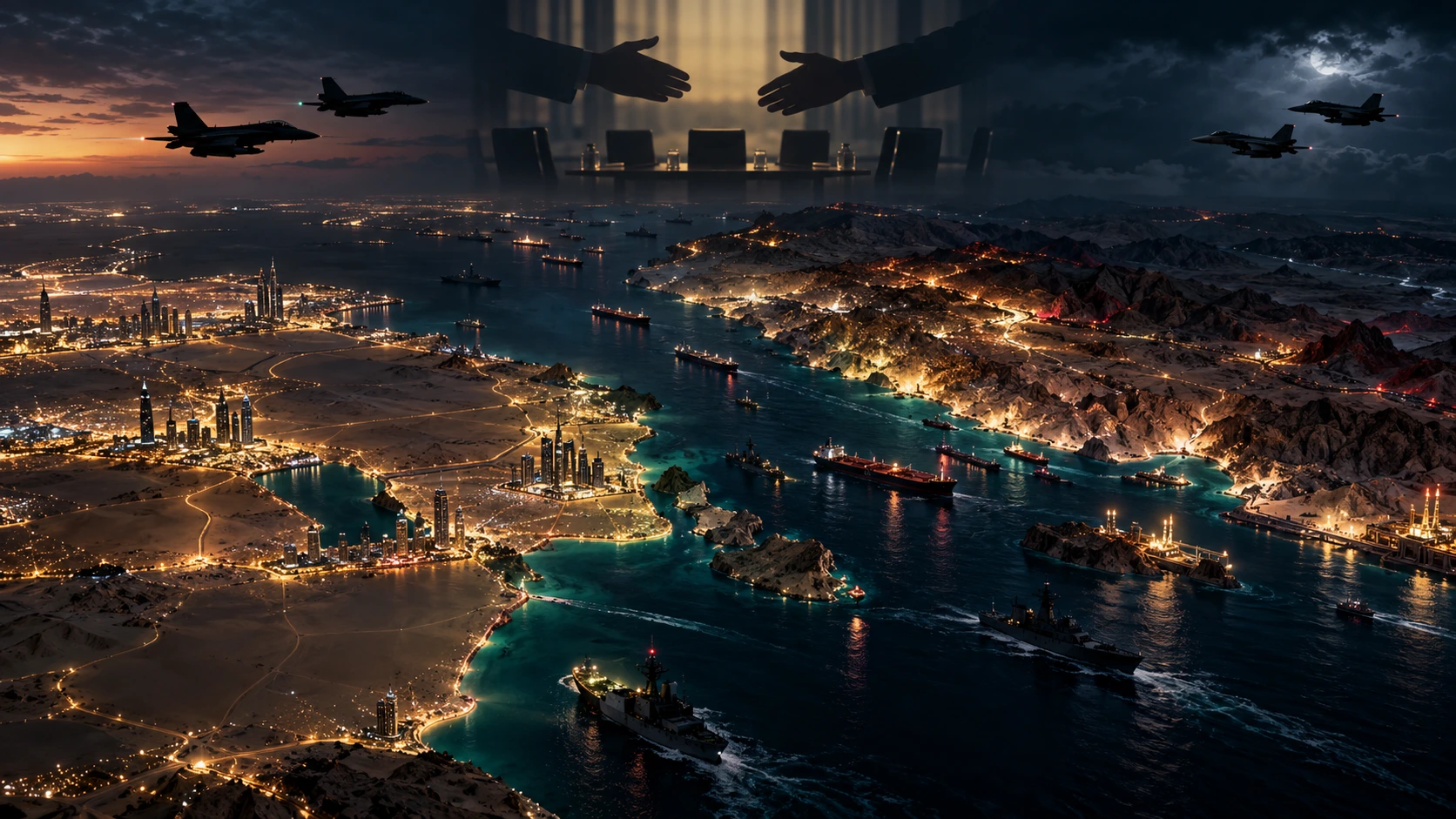
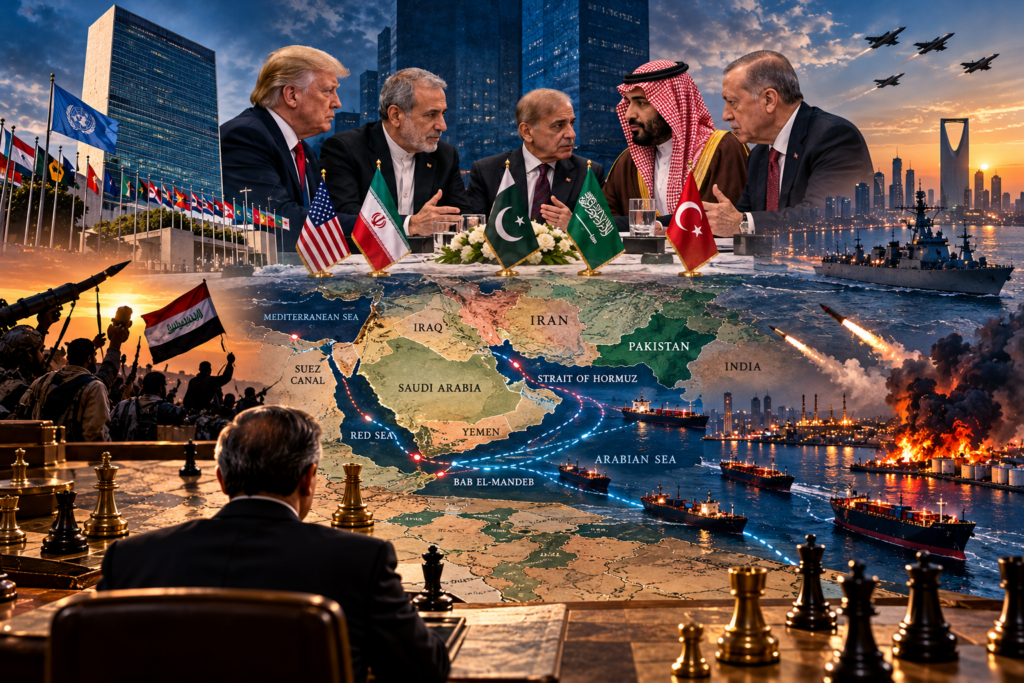
West Asia is approaching yet another dangerous juncture. Reports that the US and Israel are preparing plans for renewed strikes against Iran, coupled with Israeli fighter jets conducting sorties near the Iranian border, have raised fears of a wider regional war.
The approaching Israeli election on October 27 and US midterm elections on November 3 add another layer of political uncertainty. Although renewed hostilities are not inevitable, the convergence of military preparations, political calculations and mutual distrust makes the situation particularly precarious. A host of factors may raise alarm about the emerging situation.
First, military preparations do not necessarily mean that war is imminent, but they increase the risk of miscalculation. According to reports in The New York Times and Axios, US and Israeli forces have developed options for another campaign against Iranian nuclear facilities, missile capabilities and potentially energy infrastructure. Israeli aircraft reportedly followed a flight path consistent with a possible strike before turning back near Iran’s border. While the operation was described as a deterrent exercise, some American officials reportedly suspected that Israel might have been testing whether Tehran would respond.
Such signalling is dangerous. Iran could interpret a military exercise as preparation for an imminent attack and take pre-emptive measures. A confrontation could therefore begin through miscalculation rather than a deliberate decision to launch a full-scale war.
Second, elections may influence the timing of military decisions, but they do not determine the outcome. Israeli Prime Minister Benjamin Netanyahu faces political uncertainty ahead of the October 27 election, although recent surveys show that the majority of Israelis support a far-right government. Military action could reinforce his security credentials, but Iranian retaliation might disrupt the election and expose his government to criticism if the campaign failed to achieve its objectives.
For US President Donald Trump, the US midterms present a different calculation. Another war could raise oil prices, aggravate inflation and impose additional costs on American taxpayers. Yet the administration may also believe that military pressure could force Tehran to make concessions. The reported buildup of American forces into early November strengthens Washington’s options, but does not prove that Trump has decided to resume hostilities.
The most dangerous period may be the weeks following the elections, when political constraints could change, and additional military capabilities become available. Nevertheless, diplomatic considerations and the potential economic costs of war could still persuade Washington to postpone or abandon another attack.
Third, it goes without saying that Iran would respond if the US or Israel renew strikes. The scale of its retaliation would depend on the targets attacked and Tehran’s assessment of the threat to its leadership and strategic capabilities. However, if Iranian leaders conclude that Washington and Jerusalem seek regime change rather than limited military objectives, they may widen the conflict.
Iran has warned that retaliation could extend beyond commercial shipping and energy infrastructure to regional military assets, data centres and undersea internet cables. These threats should not be treated as proof of future action, but they indicate the potential breadth of escalation. Tehran could also intensify pressure on shipping through the Strait of Hormuz, with serious consequences for international energy markets.
The assumption that a short, intensive bombing campaign would compel Iran to capitulate is questionable if recent past is a guide. Previous military action and economic pressure have not resolved the underlying confrontation. Further attacks could instead strengthen Iranian hardliners and convince Tehran that retaining retaliatory capabilities is essential to its survival.
Fourth, Saudi Arabia and the wider Gulf could become the principal victims of escalation as the US is most likely to use the Gulf’s bases against Iran. The reported Houthi attacks on Saudi targets and the American order for non-essential government personnel and their families to leave the kingdom show the region’s vulnerability. Any renewed US-Israeli campaign could provoke additional attacks on Gulf infrastructure, even if Saudi Arabia sought to avoid direct participation.
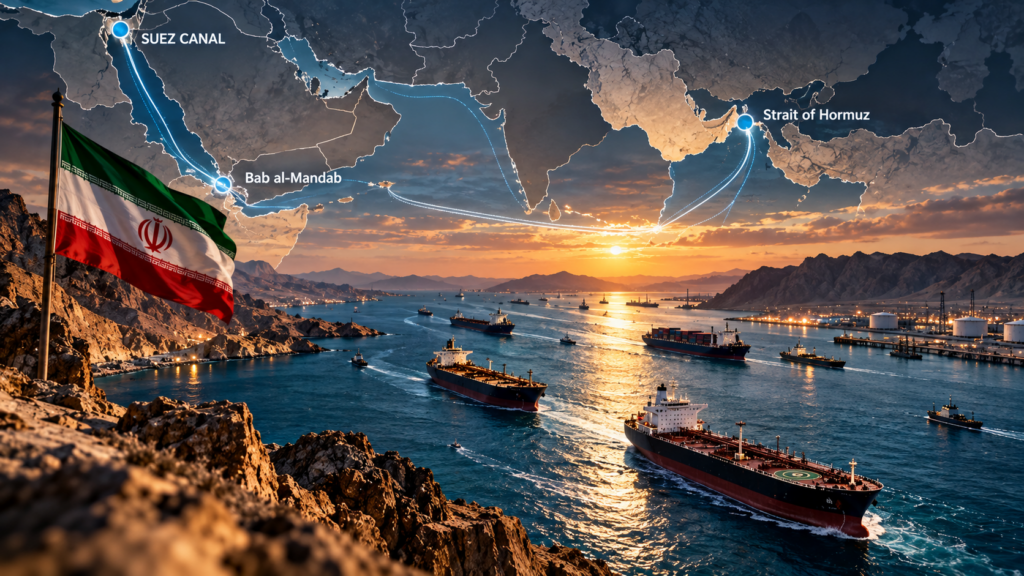
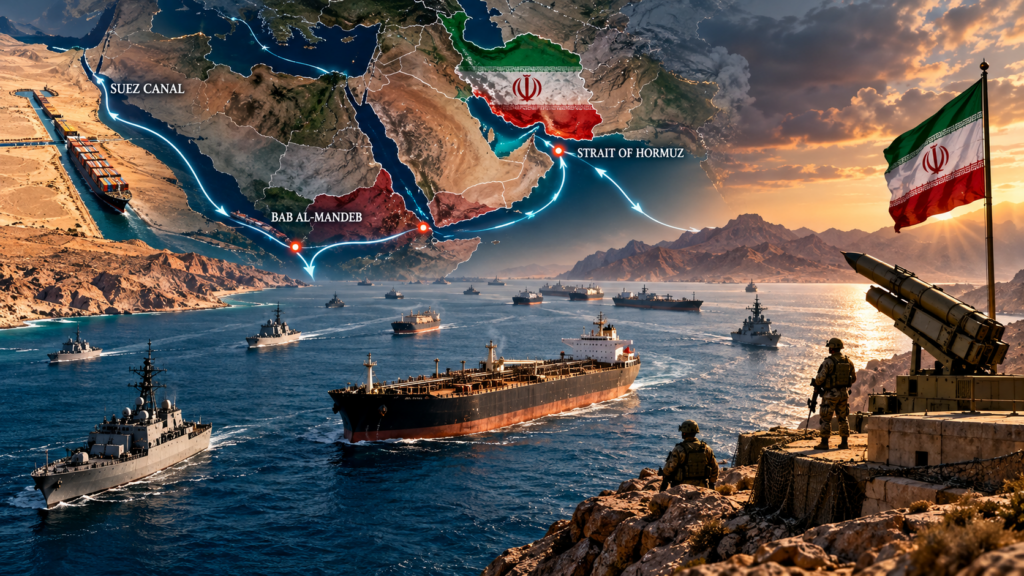
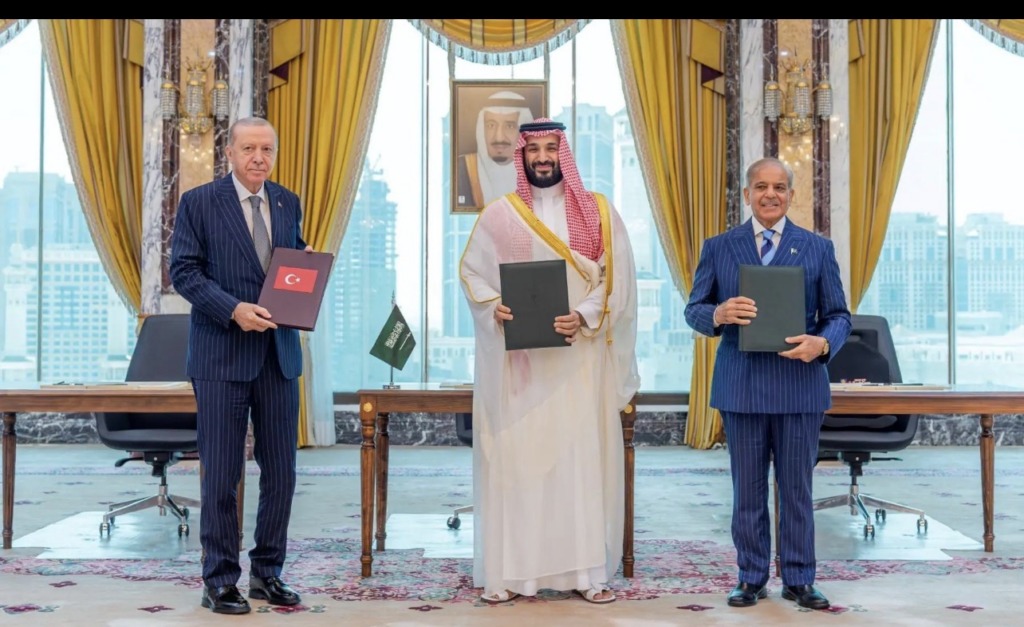
Disruption of the Strait of Hormuz, combined with threats to Bab al-Mandeb, could affect energy exports, shipping costs and global trade. For Saudi Crown Prince Mohammed bin Salman, prolonged instability would threaten the investment and confidence required for Vision 2030. The Makkah Defence Pact involving Saudi Arabia, Pakistan and Turkiye could strengthen deterrence, but its partners would face difficult decisions if Saudi territory came under attack. Its defensive purpose must not become a pathway to an expanding regional war.
Fifth, Pakistan should use its strategic relationships to prevent escalation. Pakistan’s defence partnership with Riyadh and its ties with Turkiye must be balanced with the need for stable relations with neighbouring Iran. Pakistan should clarify that its defence commitments are intended to protect Saudi territory and critical infrastructure, not to facilitate offensive operations against Tehran.
Islamabad could work with Ankara, Doha and other regional partners to encourage direct or mediated communication between Washington and Tehran. Practical proposals might include reciprocal restraint, protecting commercial shipping, avoiding attacks on civilian infrastructure and resuming nuclear negotiations.
Russia’s reported offer to help Washington reach an agreement with Tehran could provide another diplomatic channel, although its effectiveness remains uncertain. The priority should be to establish an off-ramp before military deployments and public threats leave leaders with fewer political choices.
The coming weeks will test the judgement of Washington, Jerusalem and Tehran. The danger is not simply that one side may deliberately choose war, but that each may believe it can control escalation after taking the first step.
Pakistan should therefore pursue a dual strategy: maintain credible defence partnerships while actively promoting diplomacy. The ultimate measure of regional leadership will not be the capacity to launch another round of strikes, but the ability to prevent a conflict whose consequences could extend from the Gulf to the global economy.
West Asia needs deterrence, but deterrence without diplomacy can become a prelude to disaster.
About the Author
Asif Durrani
The writer is a former ambassador of Pakistan to Iran and the UAE. He is also a former special representative of Pakistan for Afghanistan and currently serves as a senior research fellow at the Islamabad Policy Research Institute (IPRI).
- Politics
How to Cite This Article
Durrani, Asif. “Will West Asia slide into another war?.” Iqbal Forum, October 24, 2026. https://iqbalforum.org/en/?p=52814.





Comments