



Peace under pressure
Following diplomatic consultations with Pakistan and Qatar, Iran has revised its proposal for reopening the Strait of Hormuz to a two-day plan contingent upon Washington lifting its naval blockade, removing sanctions, and…
AI Analysis
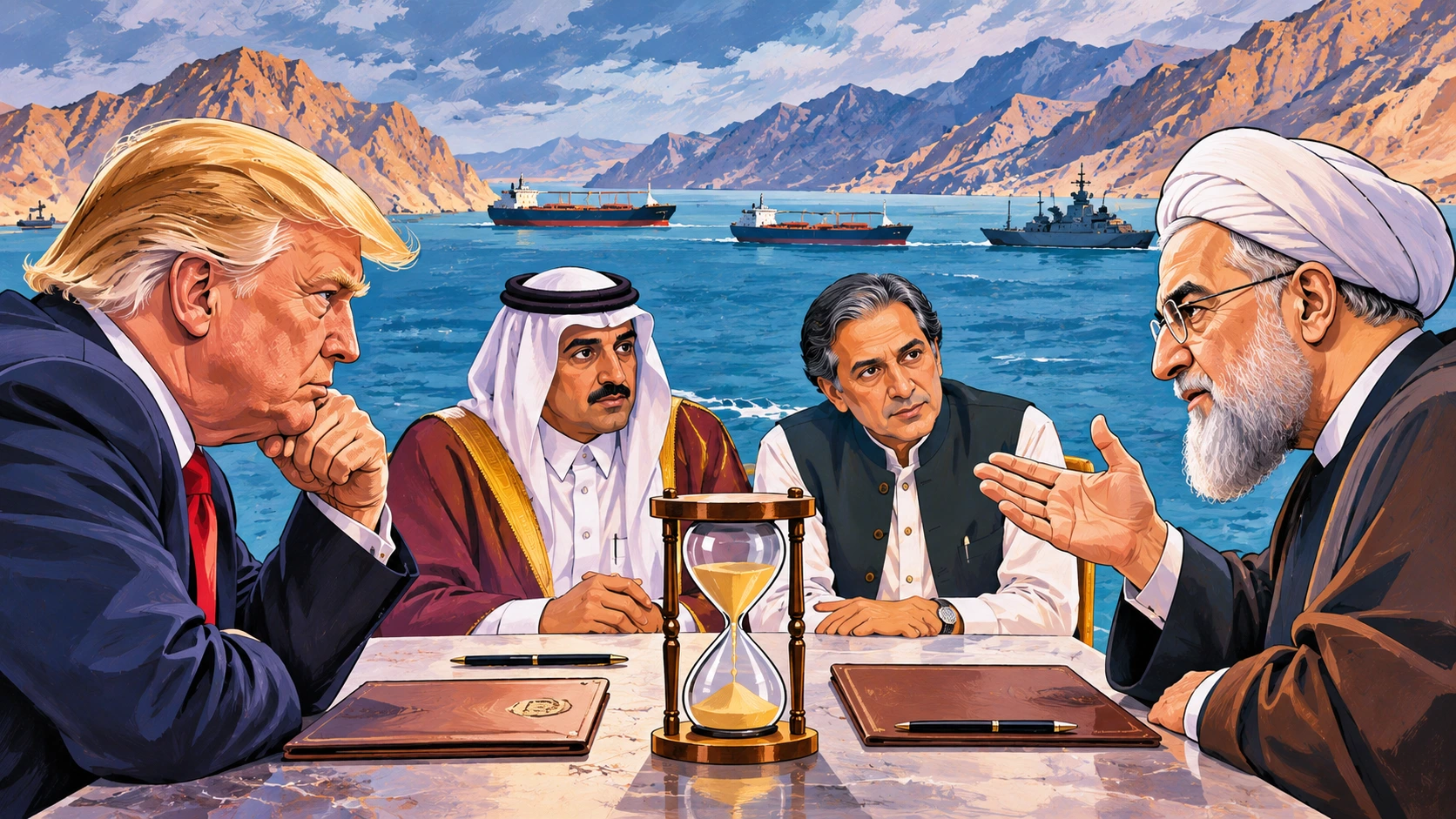
Diplomacy remains the only viable way out of the US-Iran conflict, but the window for a negotiated settlement is narrowing. Iran has confirmed that, after consulting with Pakistan and Qatar, it has revised its original seven-day proposal to reopen the Strait of Hormuz into a two-day plan. Under this arrangement, Washington would first have to lift its naval blockade of Iranian ports, reverse recently imposed sanctions, reduce its military presence in the region and implement promised waivers on Iranian oil exports. The strait would then be reopened, with broader negotiations, including on the nuclear question, to follow. There has been no breakthrough in Doha so far, although consultations through Qatari and Pakistani mediators continue. Iran had earlier rejected Qatar’s proposals as unacceptable, but the latest discussions have centred on a revised framework for reopening the strait and resuming negotiations. Iran has made a significant diplomatic effort to put forward a practical sequence for ending the immediate confrontation. Tehran has also ruled out transferring its enriched uranium to another country, maintaining that its nuclear programme must be addressed through negotiations rather than unilateral demands. It wants its sovereignty and security concerns addressed rather than being expected to make unilateral concessions while under a US naval blockade. There is nothing unreasonable about demanding reciprocity.
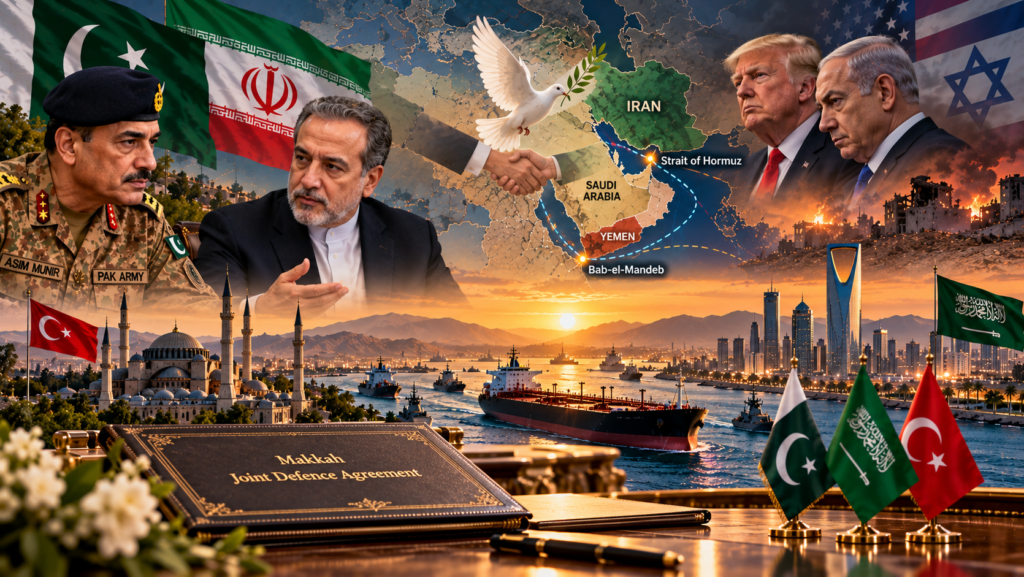
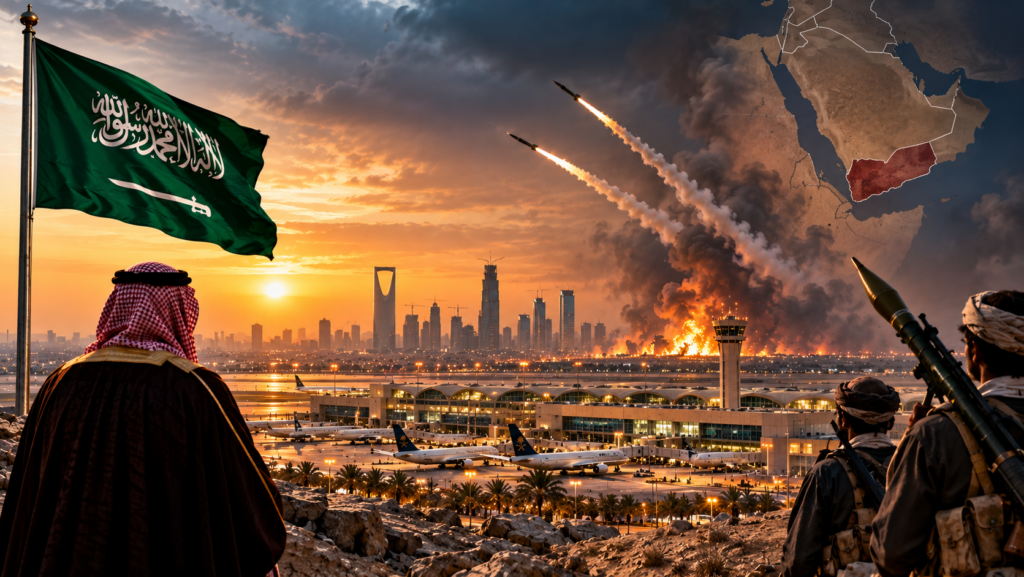
The danger is that US President Donald Trump may once again allow military calculations to override diplomacy. His recent conversation with Israeli Prime Minister Benjamin Netanyahu has raised fresh concerns, with reports suggesting that the latter is pressing Washington to resume attacks immediately after the US midterm elections. Netanyahu has consistently shown little interest in a regional settlement that does not advance Israel’s strategic objectives. A US-Iran agreement would constrain Israel’s ability to keep shaping the region through military confrontation. Trump must not allow Israeli priorities to dictate American foreign policy. The situation has become even more disturbing following claims by American commentator Tucker Carlson that the Trump administration could be contemplating a nuclear strike against Iran’s underground facility at Pickaxe Mountain, allegedly under pressure from Netanyahu. Carlson has provided no verifiable evidence for this extraordinary allegation, and Trump has himself identified Pickaxe Mountain as a possible target for another attack, but explicitly said he would not use nuclear weapons. That assurance must hold. Even another conventional assault would risk triggering a much wider conflict. The recent incidents involving commercial vessels in the Strait of Hormuz, alongside the widening confrontation involving Saudi Arabia and Yemen, show how fragile regional security has become.
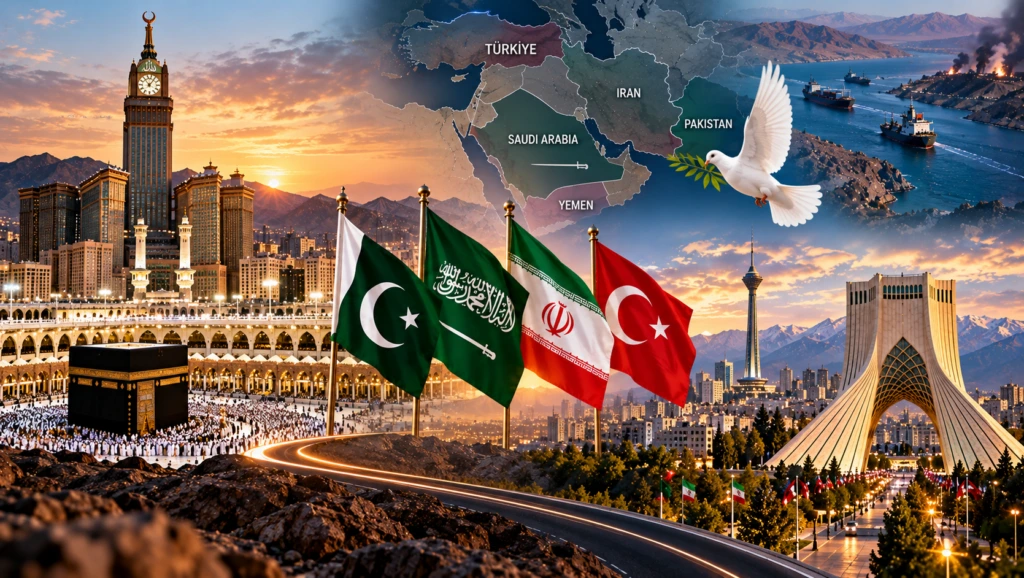
Iran, too, must ensure that its political and military establishment remains aligned with its stated commitment to negotiations. Its leadership must exercise control over all elements of the state and ensure that no unilateral action undermines the diplomatic process or provides Washington and Tel Aviv with an excuse for further attacks. Tehran’s right to defend its sovereignty is not in question, but restraint and strategic discipline are essential at this moment. There are encouraging signs that other powers recognise the need to prevent further escalation. China has reiterated its support for Iran’s sovereignty while urging all parties to pursue political solutions. Pakistan and Qatar’s mediation efforts deserve every possible support. The choice before Trump is now clear: he can respond constructively to Iran’s proposal and help restore regional stability, or allow the conflict to enter another, potentially far more destructive phase. Having helped create this crisis, Washington must not compound it. The world cannot afford another war.
About the Author

Editor The News
No detailed biographical information is provided for Editor The News. This profile records the author under the supplied name, with no further details about the author’s background provided.
Profile and all publicationsHow to Cite This Article
News, Editor The. “Peace under pressure.” Iqbal Forum, November 3, 2026. https://iqbalforum.org/en/?p=53898.



Comments