



US midterms and peace with Iran
The American midterm elections and inconclusive Israeli parliamentary results must not be mistaken for an imminent return to peace, as President Donald Trump remains committed to defending the war against Iran despite…
AI Analysis
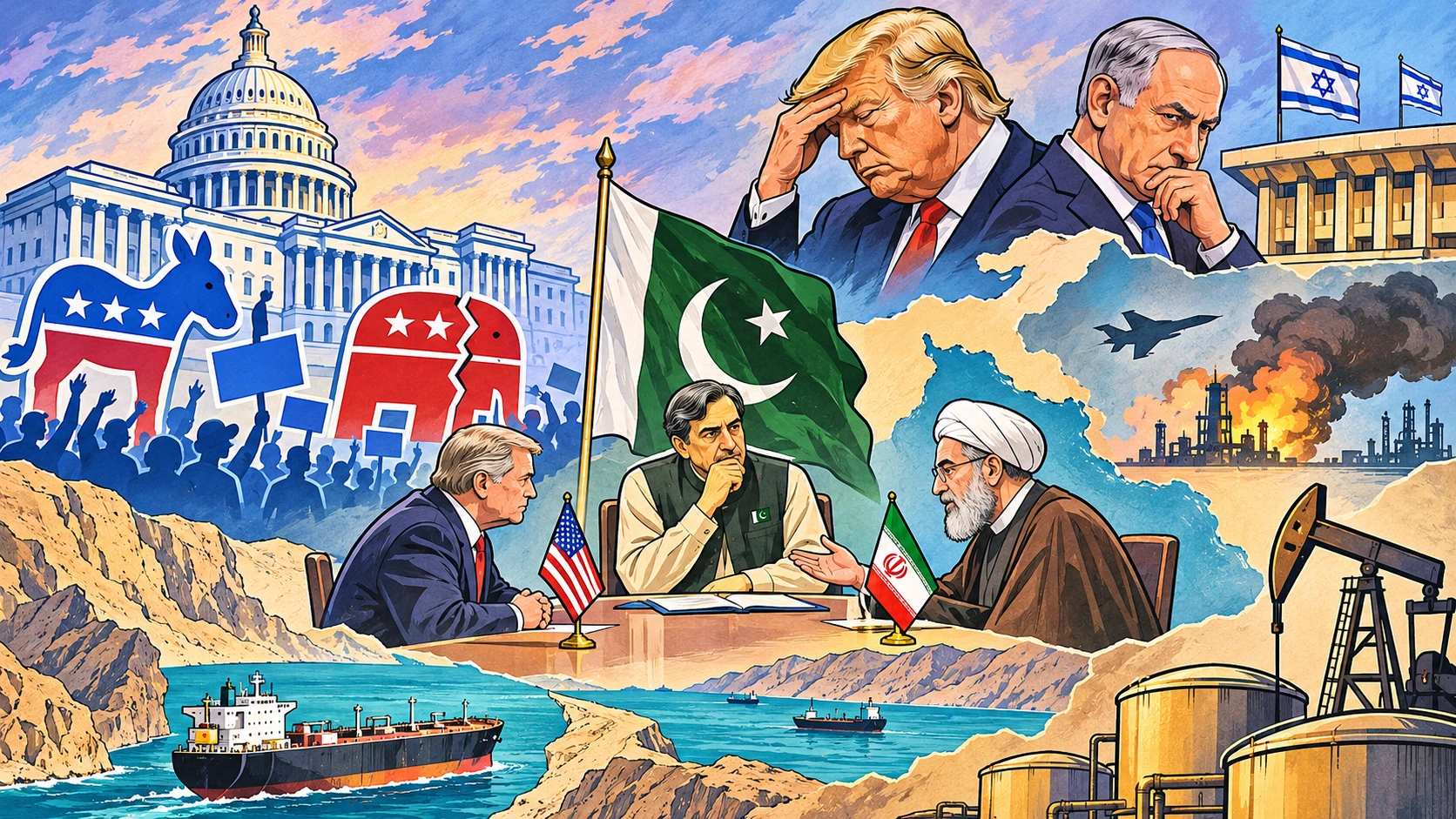
However, neither the Democratic victory in the American midterm elections nor the inconclusive outcome of Israel’s parliamentary elections should be mistaken for an imminent return to peace. The danger of further escalation remains real, and its consequences could extend well beyond the Middle East.
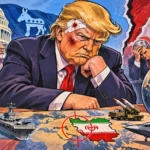
The unfolding situation carries an irony. US President Donald Trump has acknowledged that the war against Iran contributed to the Republican Party’s defeat in the November 3 midterm elections. Democrats have captured both the House of Representatives and the Senate, dealing a significant political setback to the Trump administration. The president, however, has defended his decision to attack Iran, insisting that he did the right thing and would do it again. The war, now in its ninth month, has become an important domestic political liability, particularly because of its contribution to rising fuel prices and the cost of living.
One can imagine a joke circulating in Iran: Trump and Netanyahu set out to bring about regime change in Tehran but ended up creating the conditions for political regime change in Washington. Tehran has not missed the irony, which can claim that its strategy of imposing economic and political costs on its adversaries has paid off.
Israel’s elections have also failed to provide a clear political mandate. Netanyahu’s Likud-led bloc secured 53 seats in the 120-member Knesset, while the opposition bloc obtained 48. The Arab parties secured the remaining 19 seats. Neither principal bloc has the 61 seats required to form a government independently.
The result has weakened Netanyahu’s political position and complicated the formation of a new government. Nevertheless, it would be premature to conclude that Israel’s strategic approach towards Iran will undergo a fundamental change. Future developments in domestic politics and their impact on West Asia can be summarised in four intertwined and, at times, conflicting factors.
First, electoral setbacks do not necessarily translate into a change of strategic objectives. Washington and Tel Aviv remain concerned about Iran’s nuclear programme, ballistic missile capabilities and regional proxies. Both countries have invested considerable military, diplomatic and political resources in the confrontation. Their leaders may therefore be reluctant to accept a settlement that could be interpreted domestically as a failure to achieve their declared objectives.
President Trump, having suffered a major electoral setback, enters the final two years of his presidency with a Democratic-controlled Congress. Although the electoral defeat does not terminate his constitutional authority, it substantially complicates his domestic political position. A weakened president may be inclined to demonstrate strength abroad to recover political credibility at home. Netanyahu, meanwhile, faces the challenge of forming a government and preserving his political standing. Neither circumstance necessarily encourages restraint.
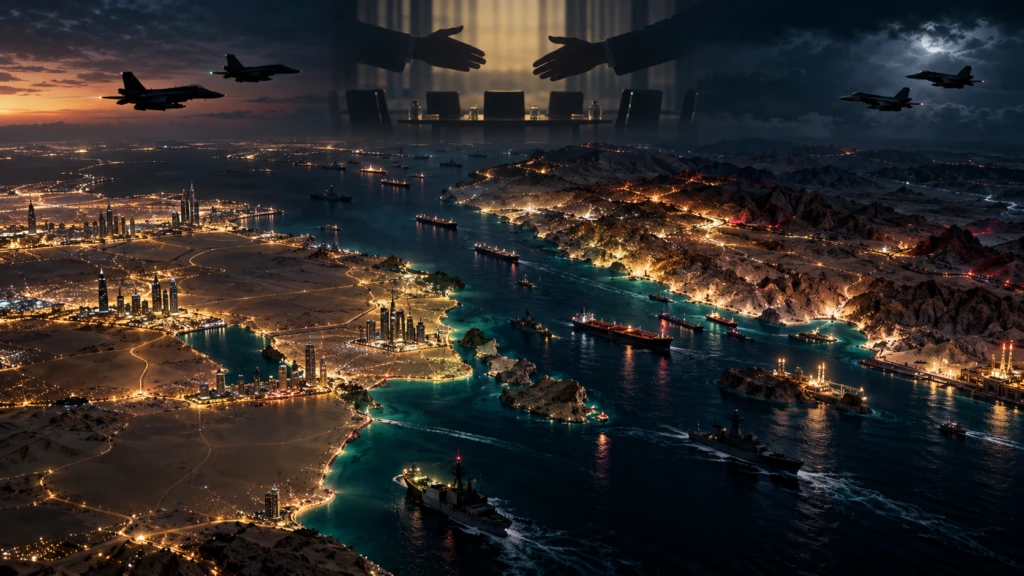
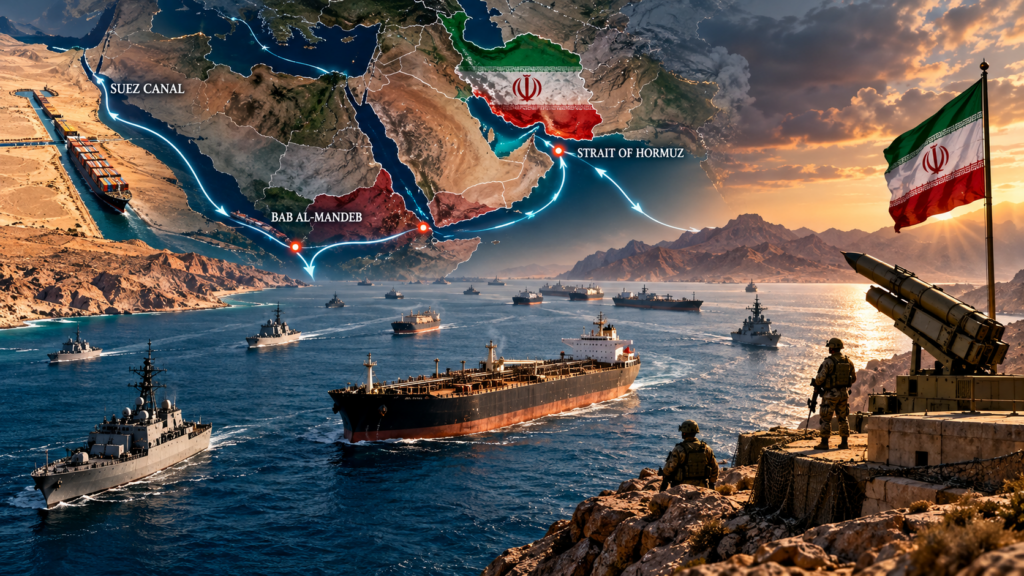
A full-scale military confrontation, therefore, cannot be ruled out. Such an escalation could involve attacks on Iranian infrastructure, further Iranian retaliation, economic blockade, disruption of Gulf shipping and a wider regional conflagration. The consequences would be particularly serious for the international economy and regional stability.
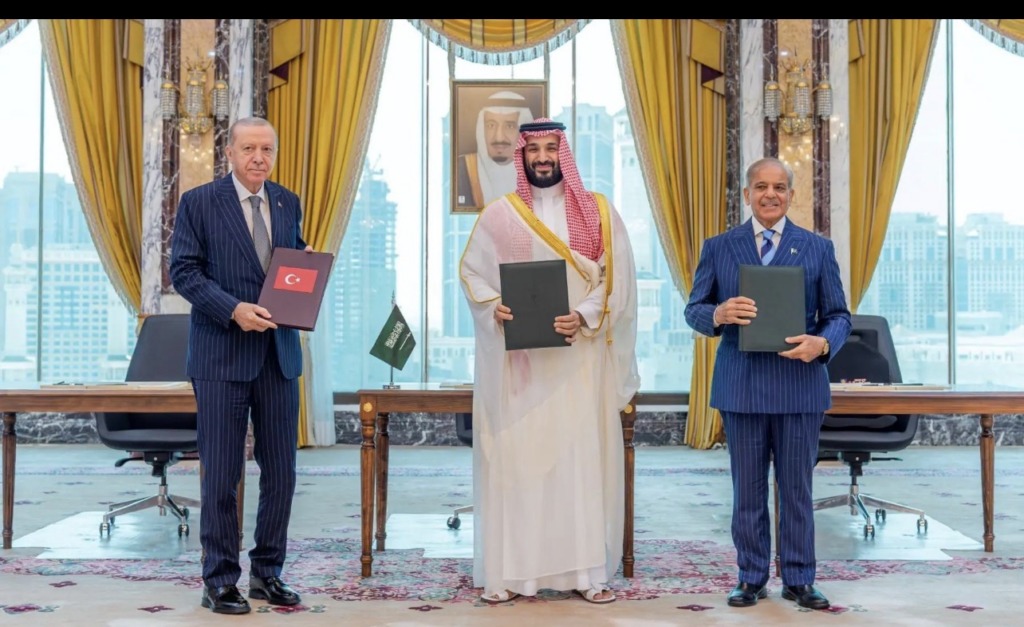
Second, Pakistan must carefully assess the implications before entering another round of mediation. Islamabad has already invested considerable diplomatic capital in facilitating communication between Washington and Tehran. Its geographical position, relations with Iran, strategic partnership with Saudi Arabia and working relationship with the US give it an important diplomatic role. However, these advantages should not be mistaken for an obligation to shoulder the risks of an open-ended conflict.
Pakistan must recognise that mediation requires at least some willingness on both sides to compromise. If Washington and Tel Aviv are determined to pursue military objectives while Tehran refuses concessions without credible guarantees, Pakistan could find itself caught between competing expectations. Its diplomatic credibility could suffer without any corresponding progress towards peace.
The stakes are particularly high because Pakistan is Afghanistan’s neighbour and shares a long border with Iran. A wider war could produce refugee movements, militant mobilisation, sectarian tensions, border insecurity and economic disruption. Instability in Iran could also complicate Pakistan’s already difficult security environment along its western frontiers. Islamabad must, therefore, avoid becoming entangled in a conflict whose objectives and termination conditions remain uncertain. It should support mediation when there is a credible diplomatic opening, clearly defined commitments and adequate assurances from the principal parties.
Third, Iran must also exercise strategic restraint towards its Gulf neighbours. Tehran may consider a tit-for-tat response against American and Israeli military action legitimate within its strategic calculations. However, retaliation should not become a policy that alienates neighbouring Arab states or jeopardises the security of the wider Gulf region.
Iran must distinguish between the governments responsible for military attacks against it and neighbouring countries that have legitimate concerns about their own security, trade and economic stability. Attacks or threats against Gulf infrastructure, energy installations and commercial shipping could turn countries that might otherwise favour de-escalation into active opponents. Such an outcome would further isolate Tehran and undermine its regional interests.
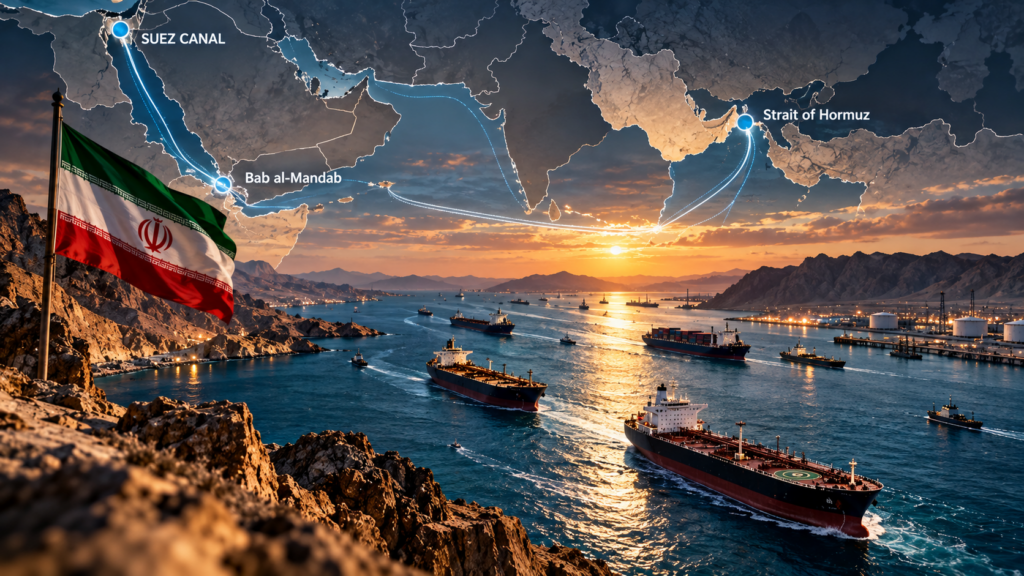
Fourth, the Strait of Hormuz deserves particular attention. Iran’s ability to disrupt international shipping through this strategic waterway gives it considerable leverage. However, keeping the strait closed or threatening commercial vessels carries enormous economic and diplomatic costs. It affects not only Western economies but also Iran, its Gulf neighbours, Asian energy importers and developing countries, including Pakistan.
Opening the Strait of Hormuz to international shipping could earn Tehran considerable political goodwill. It would show that Iran distinguishes between defending its sovereignty and imposing unnecessary costs on neighbouring countries and the international community.
More importantly, it could shift diplomatic pressure onto Washington: if Iran demonstrates willingness to restore freedom of navigation while the US continues military coercion, the burden of explaining further escalation would increasingly fall on the latter.
Tehran could use the reopening as part of a reciprocal diplomatic arrangement involving guarantees against further attacks, maritime security commitments and progress towards sanctions relief. It could then translate its leverage into political capital rather than prolonged economic disruption.
Ultimately, the electoral developments in Washington and Israel have changed the political environment but have not resolved the underlying strategic confrontation. The termination of hostilities, a negotiated settlement and durable regional peace are three different outcomes. Achieving the first does not automatically guarantee the other two.
For Pakistan, the lesson is clear: diplomacy should remain an instrument of peace, not an invitation to assume disproportionate risks. For Iran, the challenge is to defend its national interests without alienating its neighbours. And for Washington and Tel Aviv, the electoral message should be an opportunity to reconsider the costs of an open-ended war.
The region has already paid a heavy price. Another round of escalation could make the consequences considerably more dangerous.
About the Author
Asif Durrani
The writer is a former ambassador of Pakistan to Iran and the UAE. He is also a former special representative of Pakistan for Afghanistan and currently serves as a senior research fellow at the Islamabad Policy Research Institute (IPRI).
- Politics
How to Cite This Article
Durrani, Asif. “US midterms and peace with Iran.” Iqbal Forum, November 6, 2026. https://iqbalforum.org/en/?p=54377.



Comments