



Act II
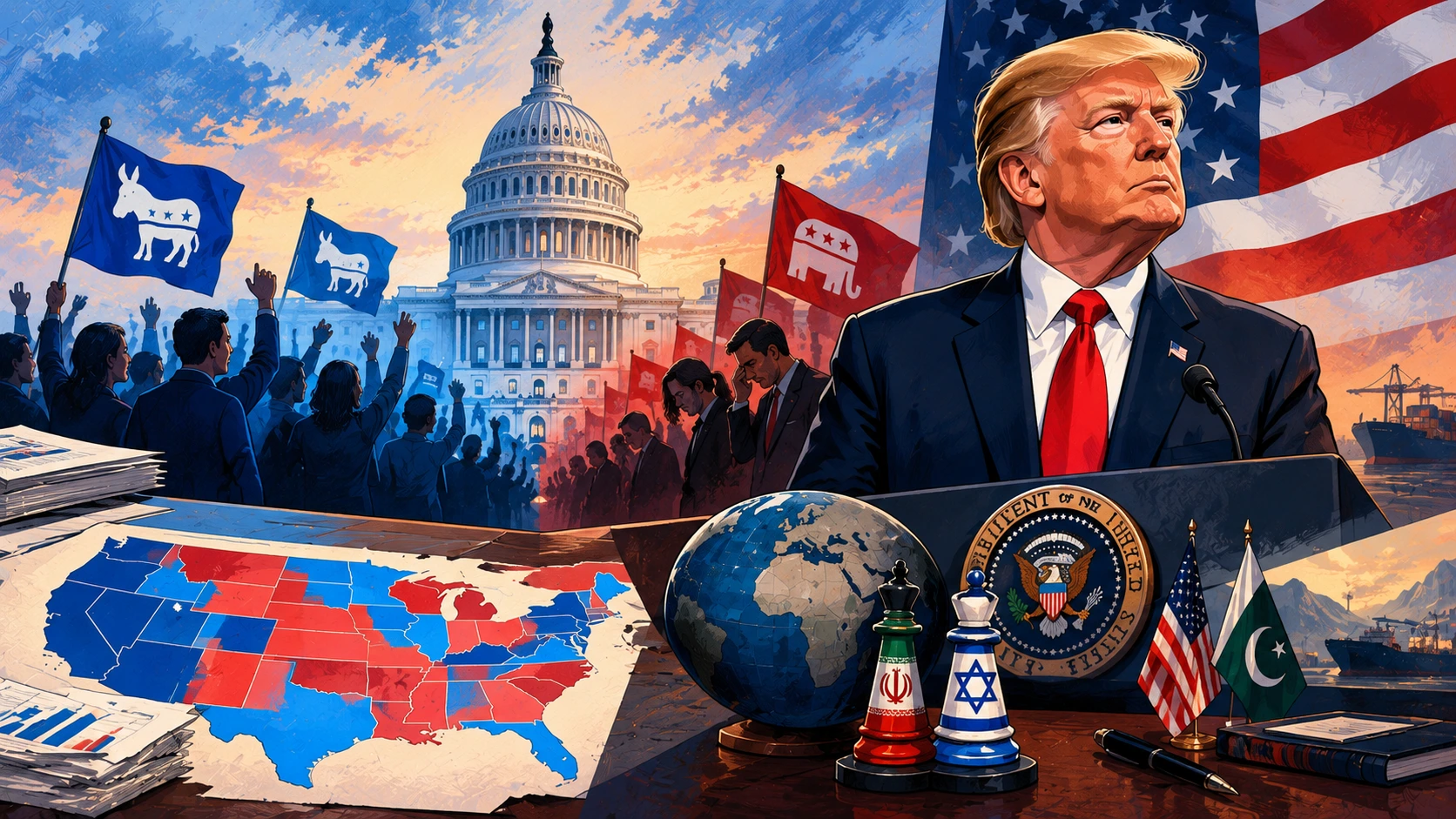
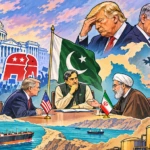
Following a surge in voter frustration over inflation and the conflict with Iran, the US midterm elections delivered a dramatic victory to Democrats, who claimed majorities in both congressional chambers. Public discontent…
AI Analysis
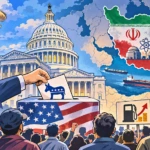
America has spoken, and the message from Tuesday’s midterm elections could not be any louder. Far exceeding most pre-election forecasts, Democrats have wrested control of both chambers of Congress, scoring historic victories in Republican strongholds such as Texas, Kansas and South Carolina. Two years after returning to the White House with promises of cheaper groceries, secure borders and an end to costly foreign entanglements, President Donald Trump confronts an electorate increasingly unwilling to take those promises at face value.
The data speaks for itself. Nearly nine in ten voters considered living costs a major concern. Roughly seven in ten wanted Congress to impose greater checks on presidential power. Two-thirds blamed Trump for high prices. Inflation, tariffs and the economic fallout of the Iran war had plainly found their way into American kitchens, making Washington’s declarations of economic triumph increasingly difficult to swallow.
Nor could Republicans count on the Latino voters who helped broaden Trump’s coalition in 2024 as roughly six in ten Hispanic voters backed Democratic House candidates, largely aggravated by aggressive immigration raids and deportation practices. The deployment of federal immigration agents across California’s Central Valley days before the vote illustrated how deeply immigration had entered electoral politics.
Electoral victory, however decisive, is not the same as executive authority. Trump retains the presidency, veto power and considerable room for executive action. When the new Congress convenes in January, Democratic control of committees will open avenues for investigations, legislative resistance and closer examination of foreign commitments. Immigration policy, military spending and the Iran war could all face renewed scrutiny. Whether this produces compromise or two years of legislative paralysis remains to be seen.
Meanwhile, another political drama is unfolding in Israel, where Benjamin Netanyahu’s bloc has fallen to 53 seats in the 120-member Knesset. The rival bloc secured 48, leaving the record 19 seats won by Arab-led parties potentially decisive. President Isaac Herzog has accepted the certified results and begun consultations on forming a government. The opposition’s reluctance to cooperate with Arab-led parties complicates that arithmetic. Nor would Netanyahu’s departure automatically reverse Israeli policy towards Gaza or the Palestinians.
Trump’s election-eve assertion that America would end nearly $4 billion in annual assistance to Israel also deserves to be read closely. Existing military-aid arrangements run through September 2028, and Washington has offered no clear account of how the promised change would work. The incoming Congress could, therefore, demand answers about both military assistance and arms transfers.
As for Pakistan, the next two years call for utmost diplomatic dexterity. A divided Washington may offer opportunities for congressional engagement, although trade and the regional consequences of the Iran war will remain sources of uncertainty. Islamabad should keep its channels open across party lines rather than wager its interests on one administration.
The voters have delivered their verdict. What follows will test whether America’s institutions can translate electoral anger into accountable government, or whether the country is destined for another bruising chapter of political deadlock.
About the Author

Editor Daily times
No biographical information has been provided for this author. The available record contains only the name “Editor Daily times.”
Profile and all publicationsHow to Cite This Article
times, Editor Daily. “Act II.” Iqbal Forum, November 5, 2026. https://iqbalforum.org/en/?p=54180.




Comments